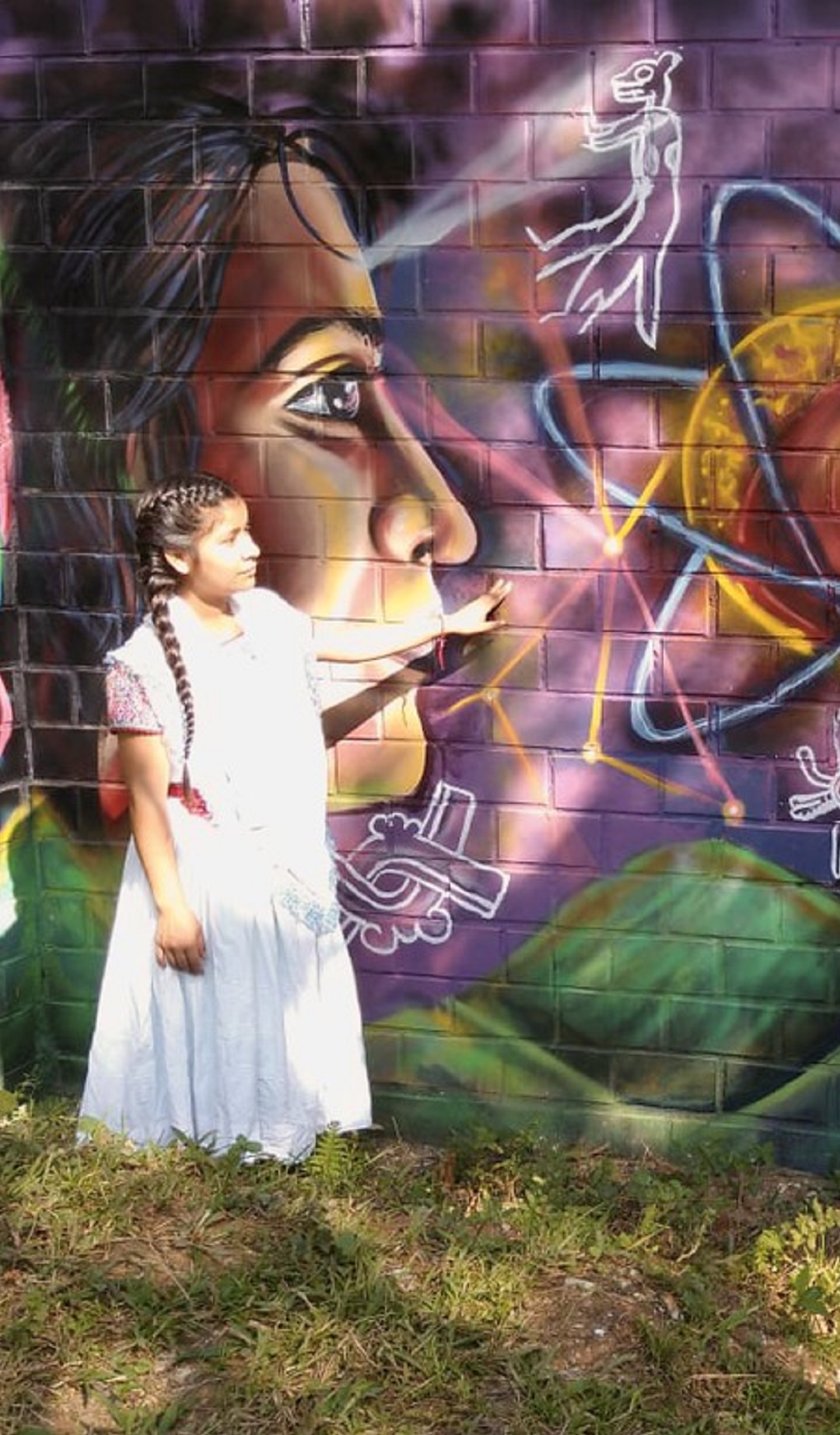

 Mexico, Tepetzintan
Facts
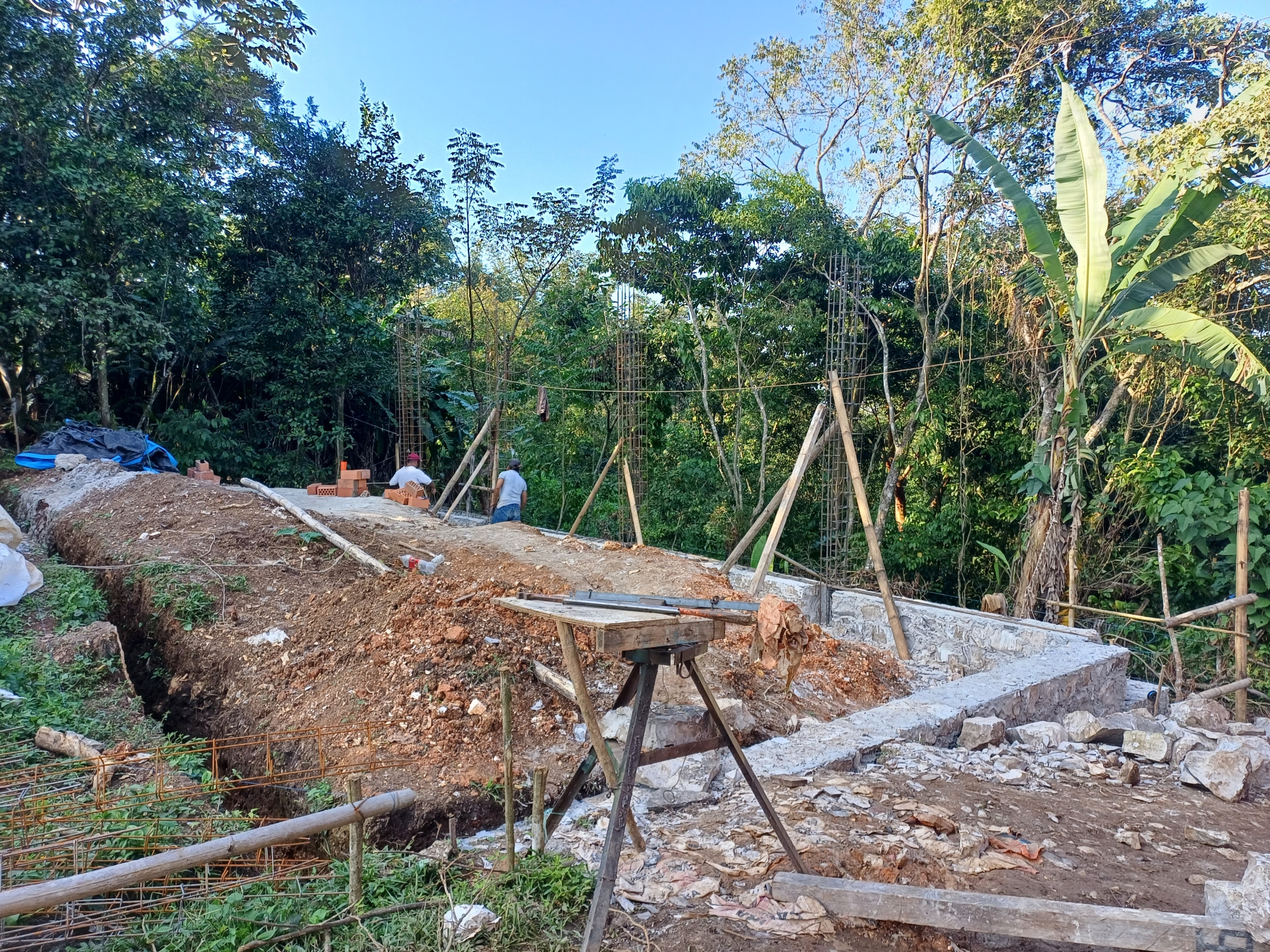
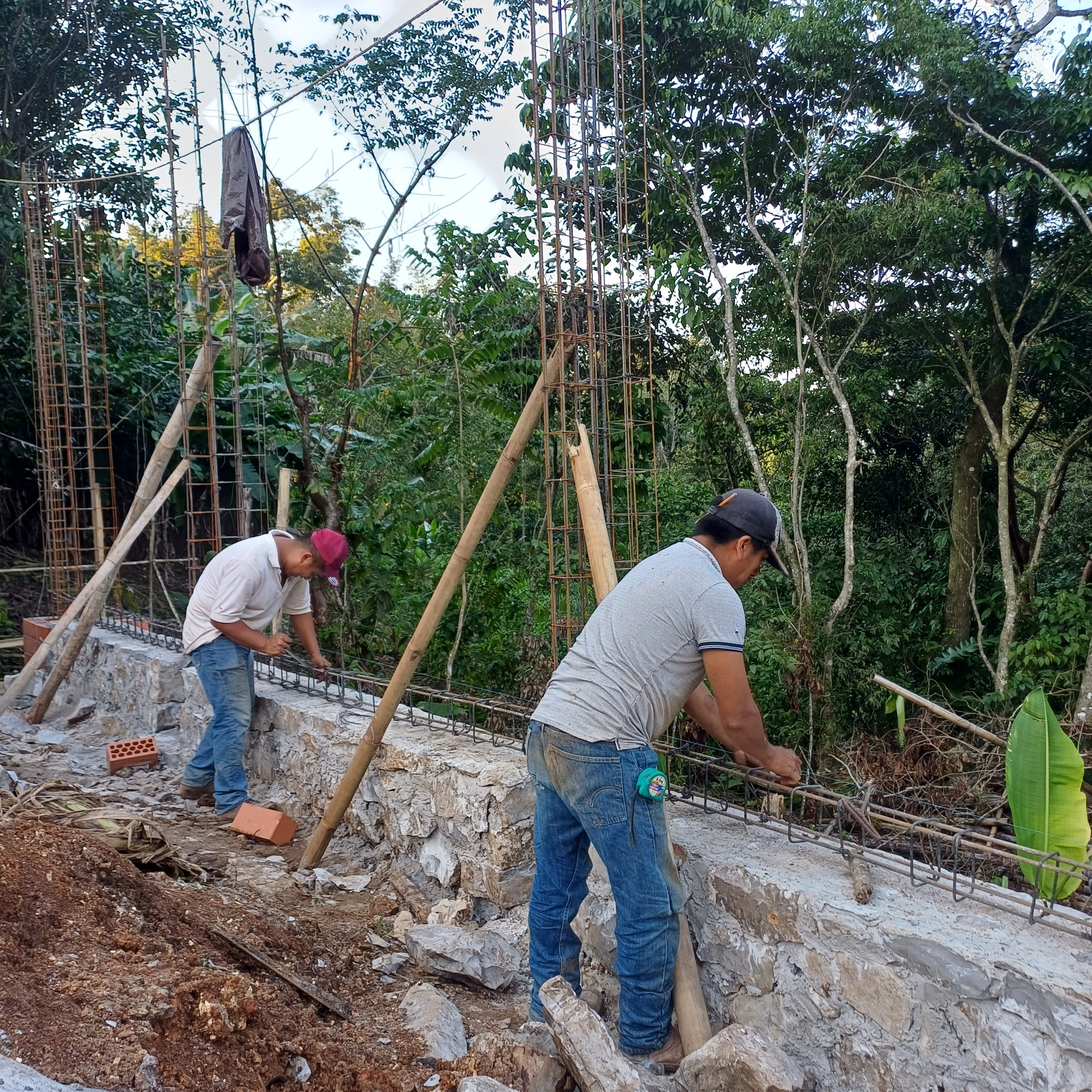
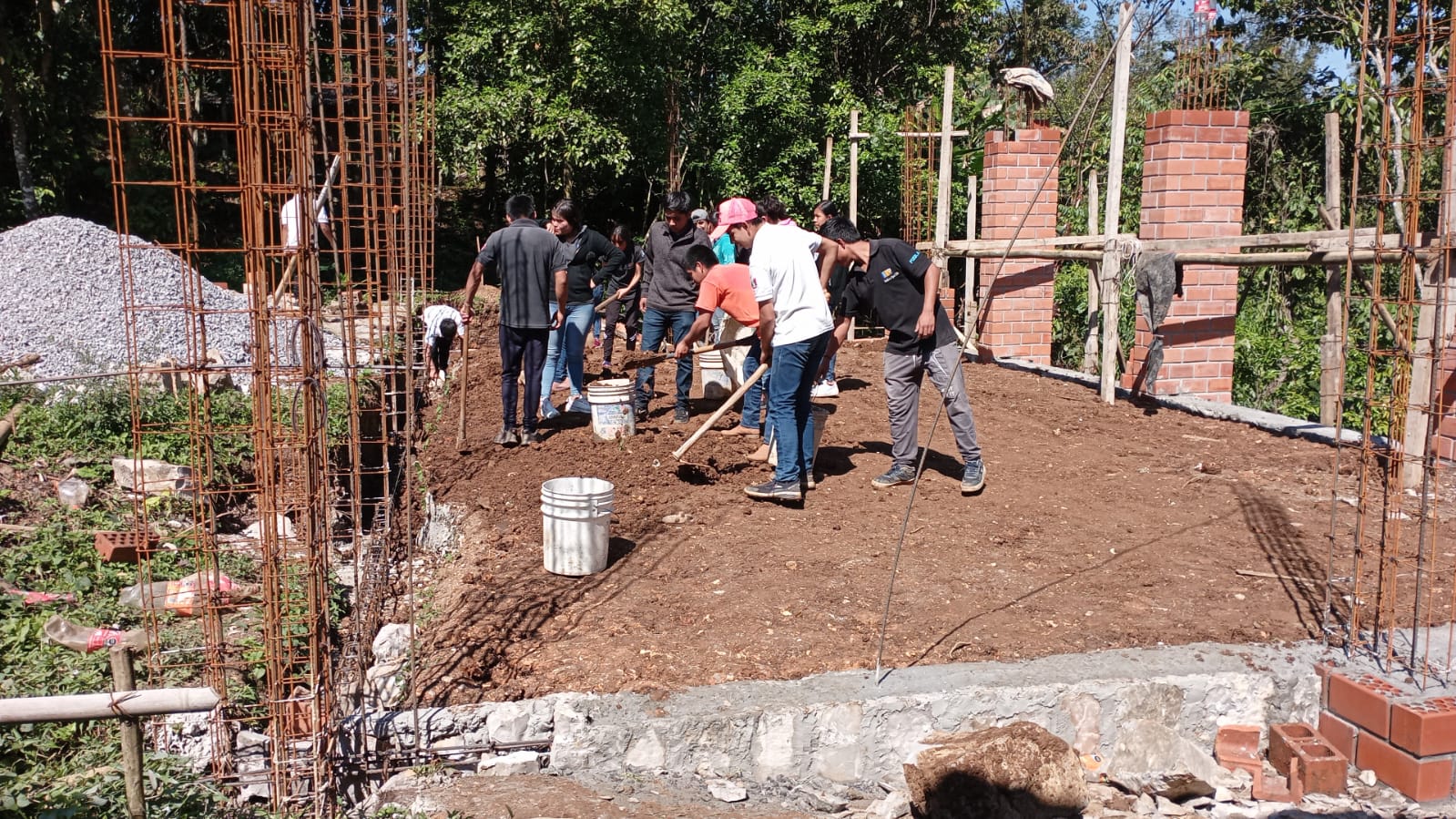
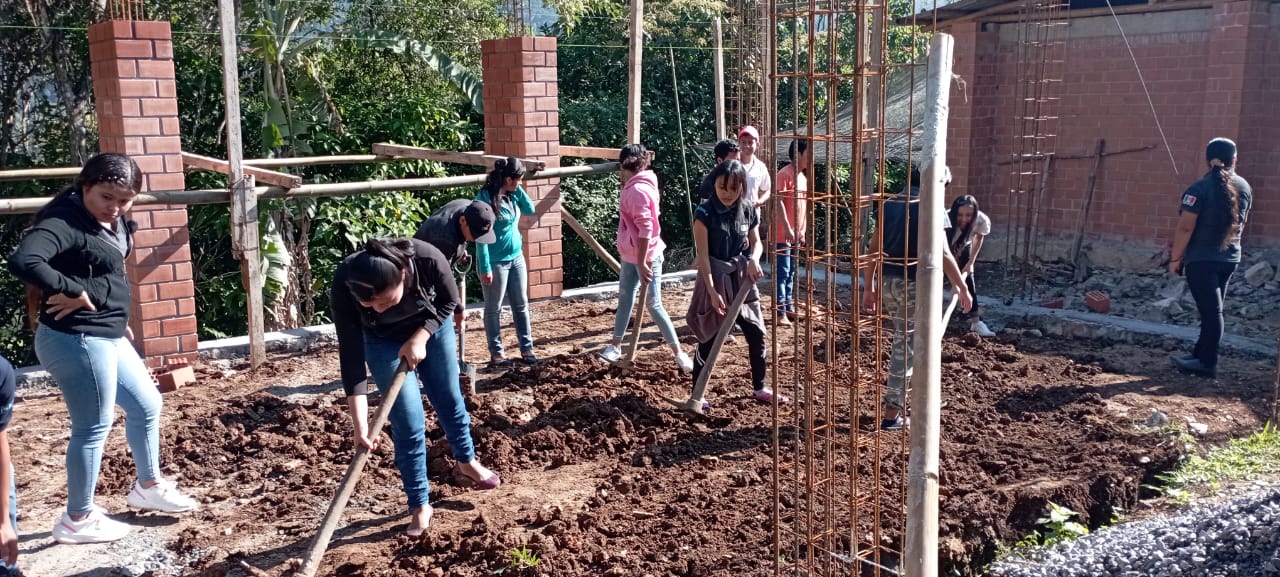
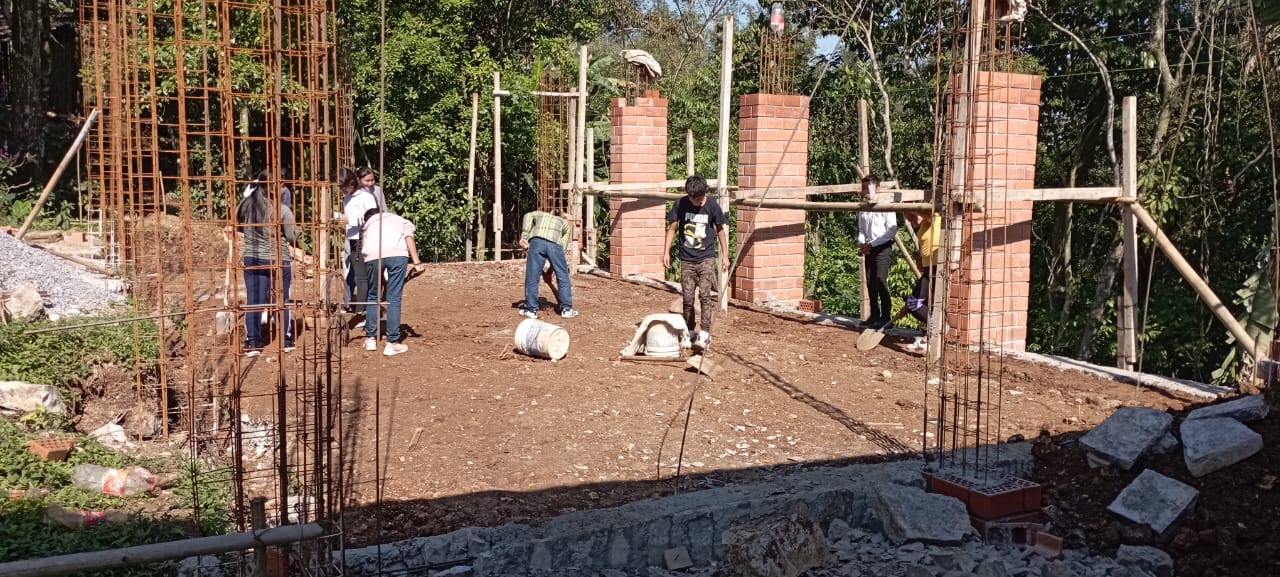
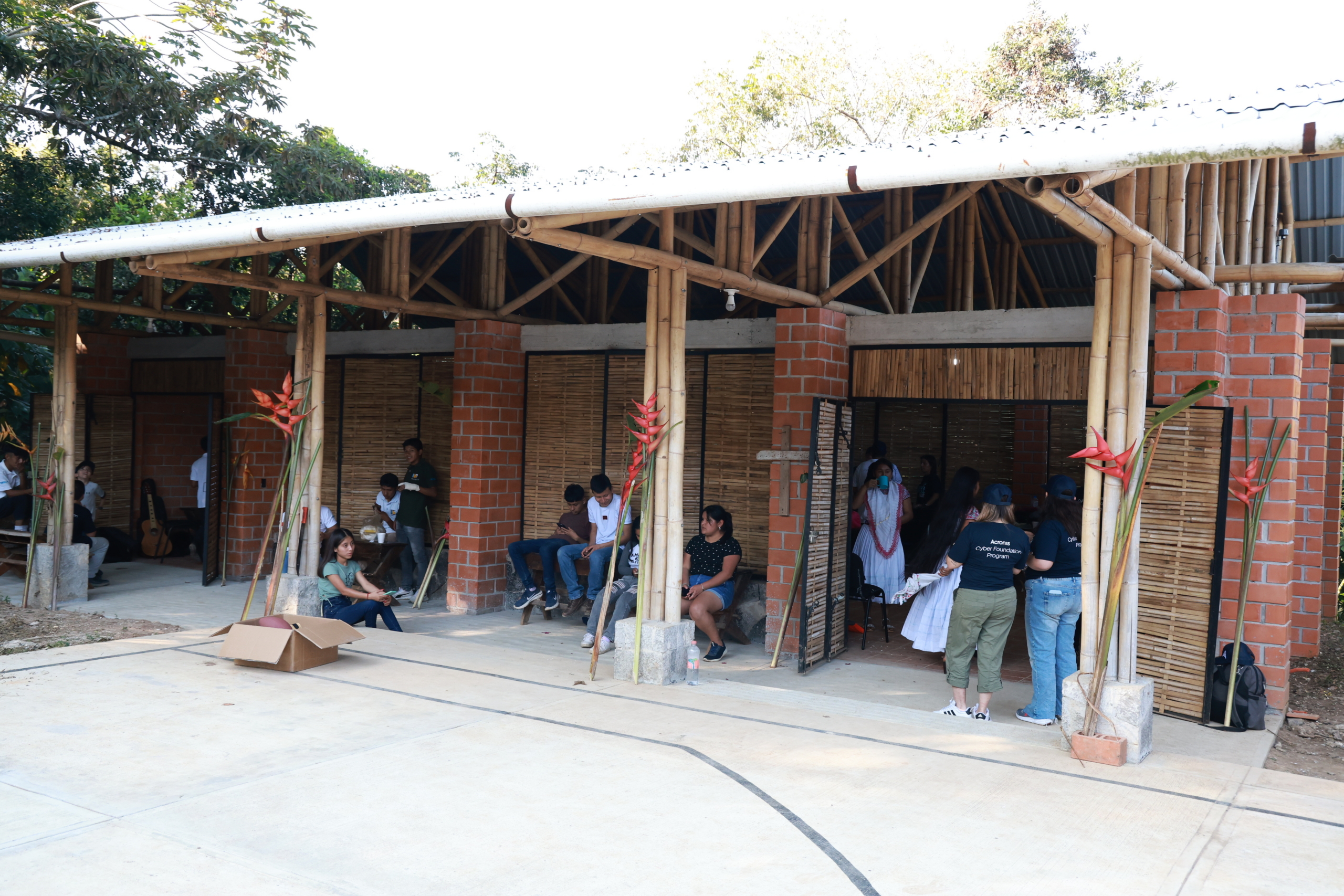
Completion of two classrooms, building one more classroom and sanitary facilities
66
$53,500

Hábitat Comunal y Vivienda A.C.
Education
Academic year
August to July
Literacy rate (15+ years old)
99.5 %
Out-of-school children
120,851
Project implementation
In 2011, Mexico’s Ministry of Higher Education launched the “Digital High Schools” program to provide upper secondary education in rural and indigenous communities. However, inadequate infrastructure in many schools has prevented the program from achieving its goal.
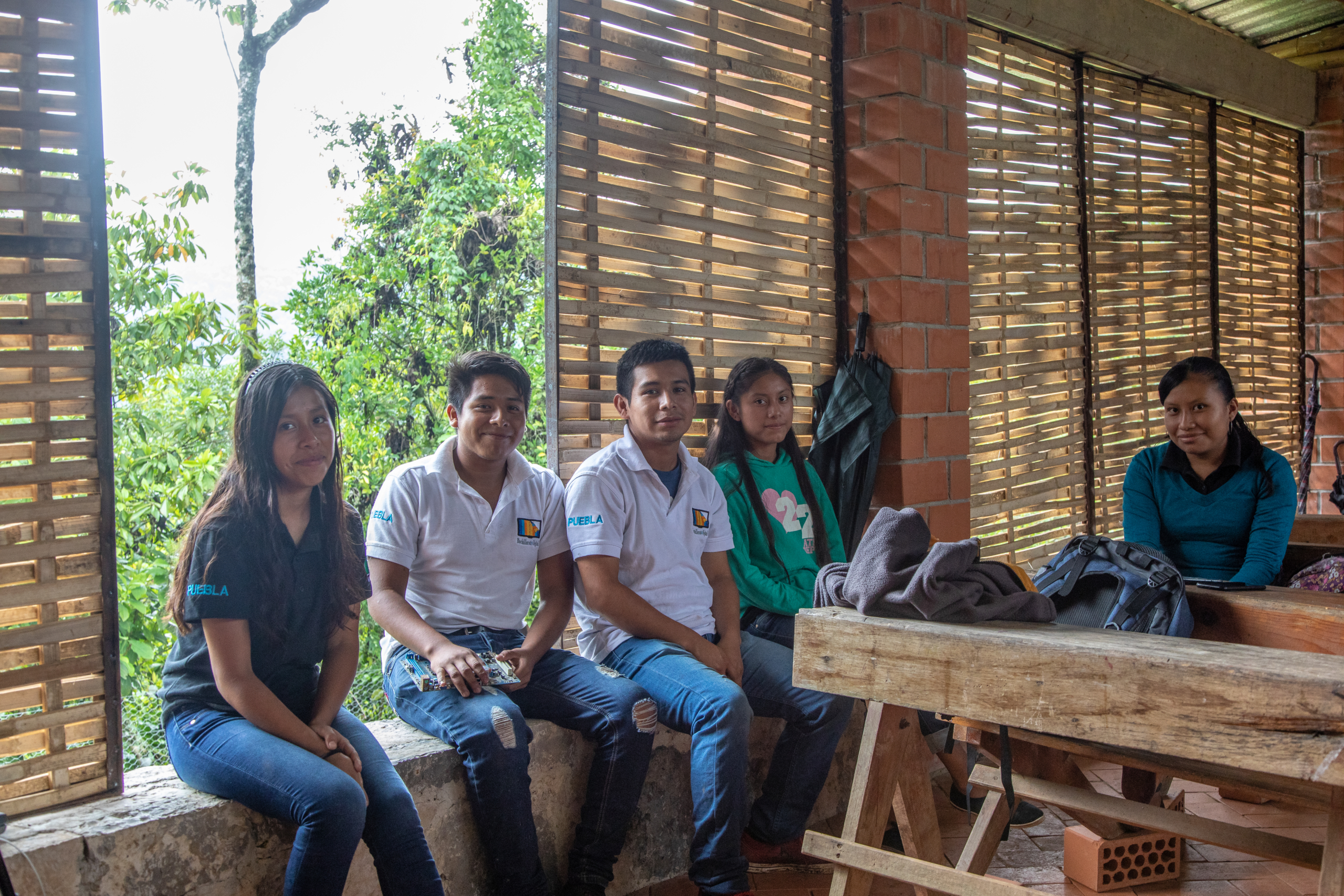
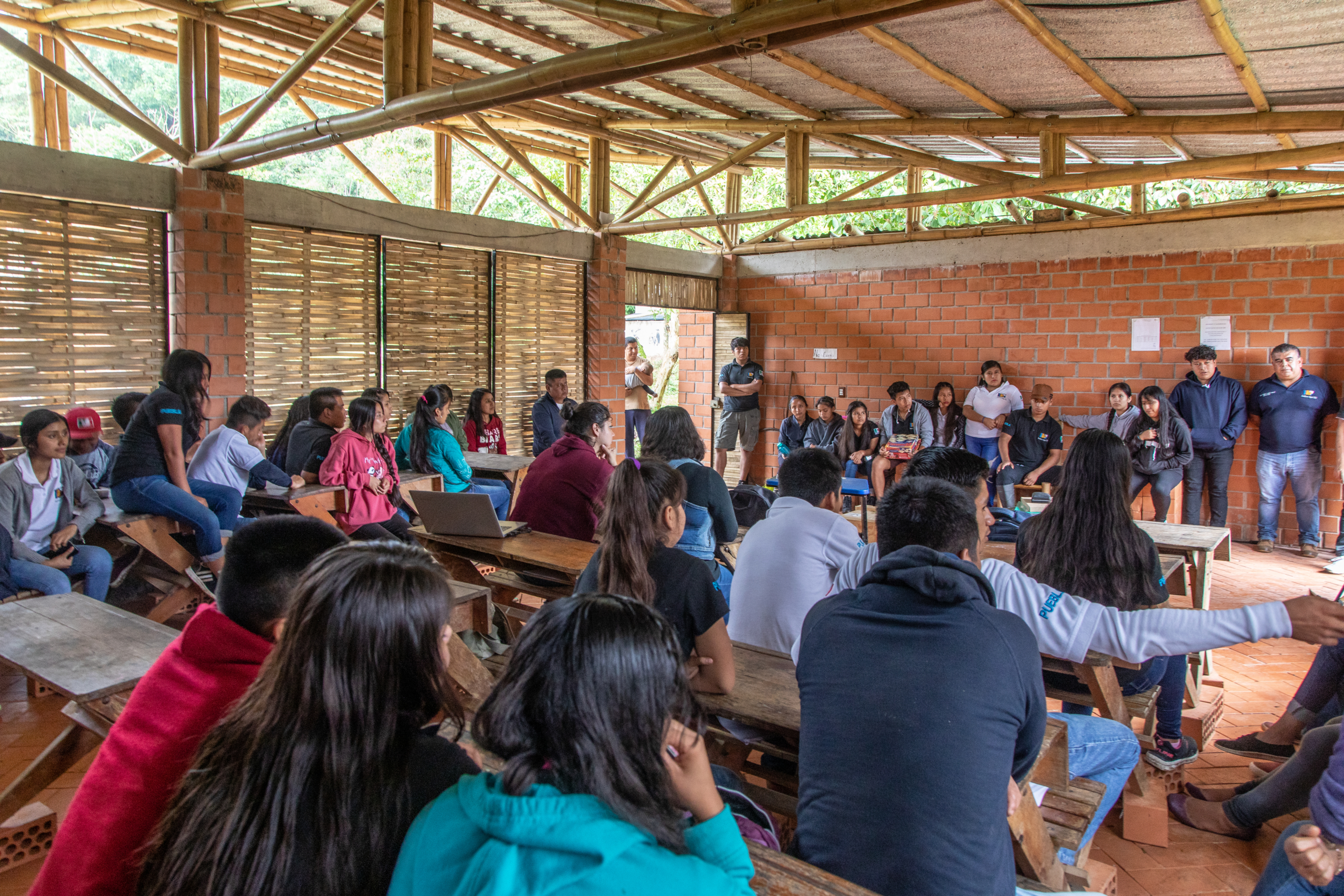
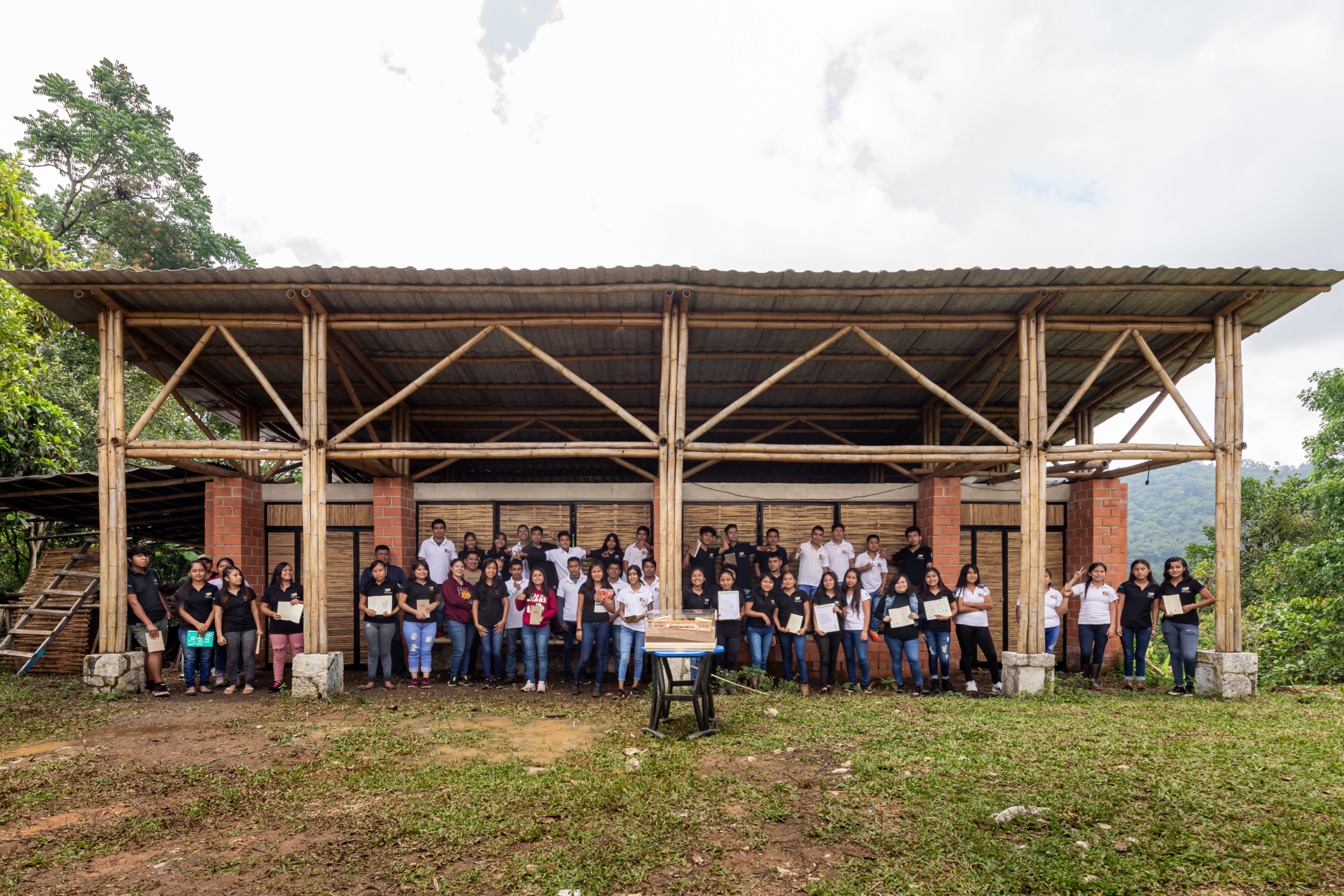
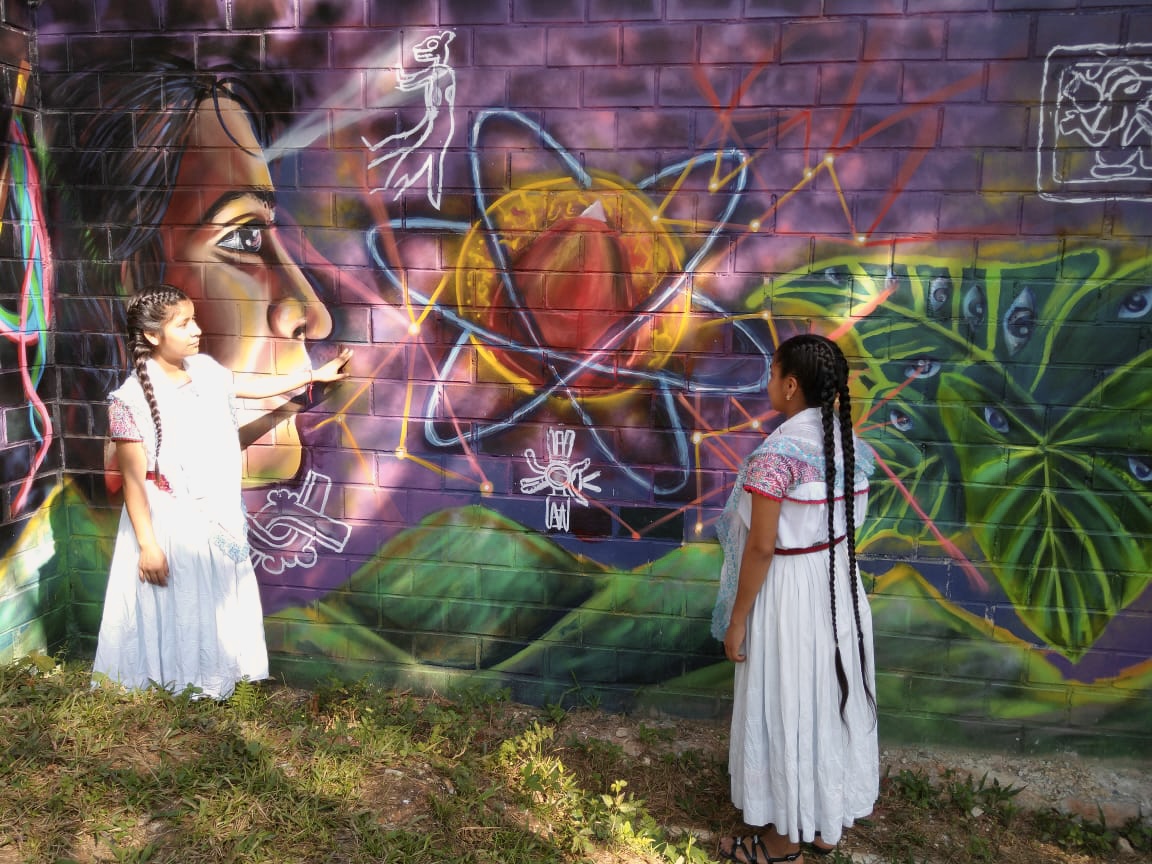
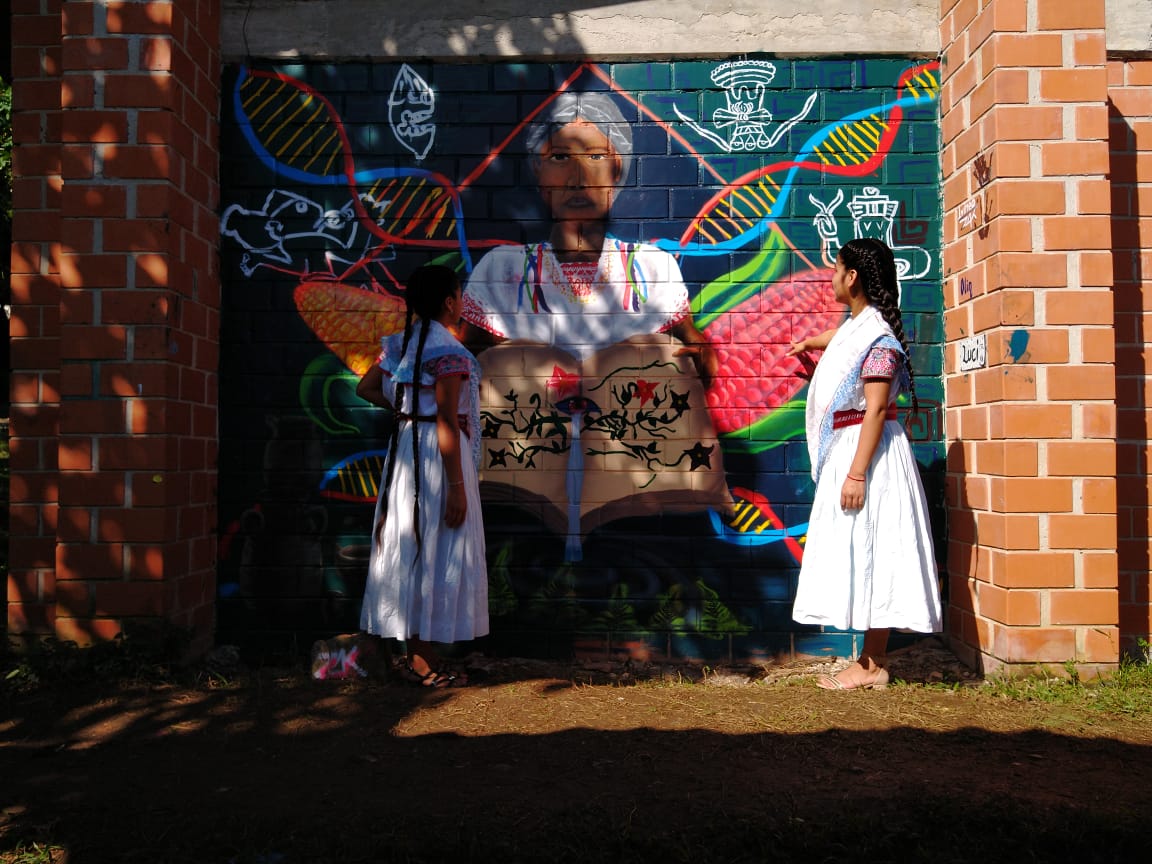
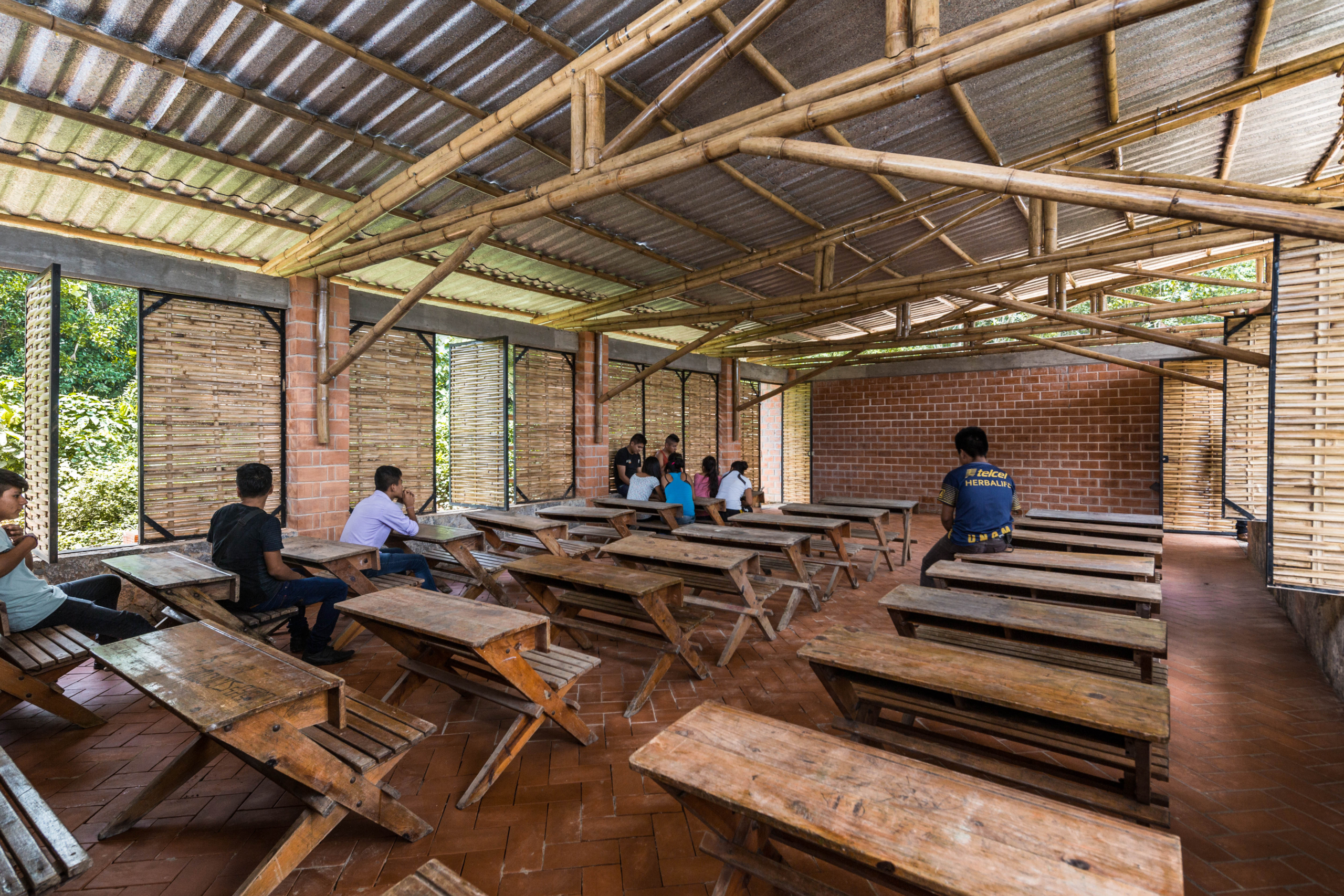
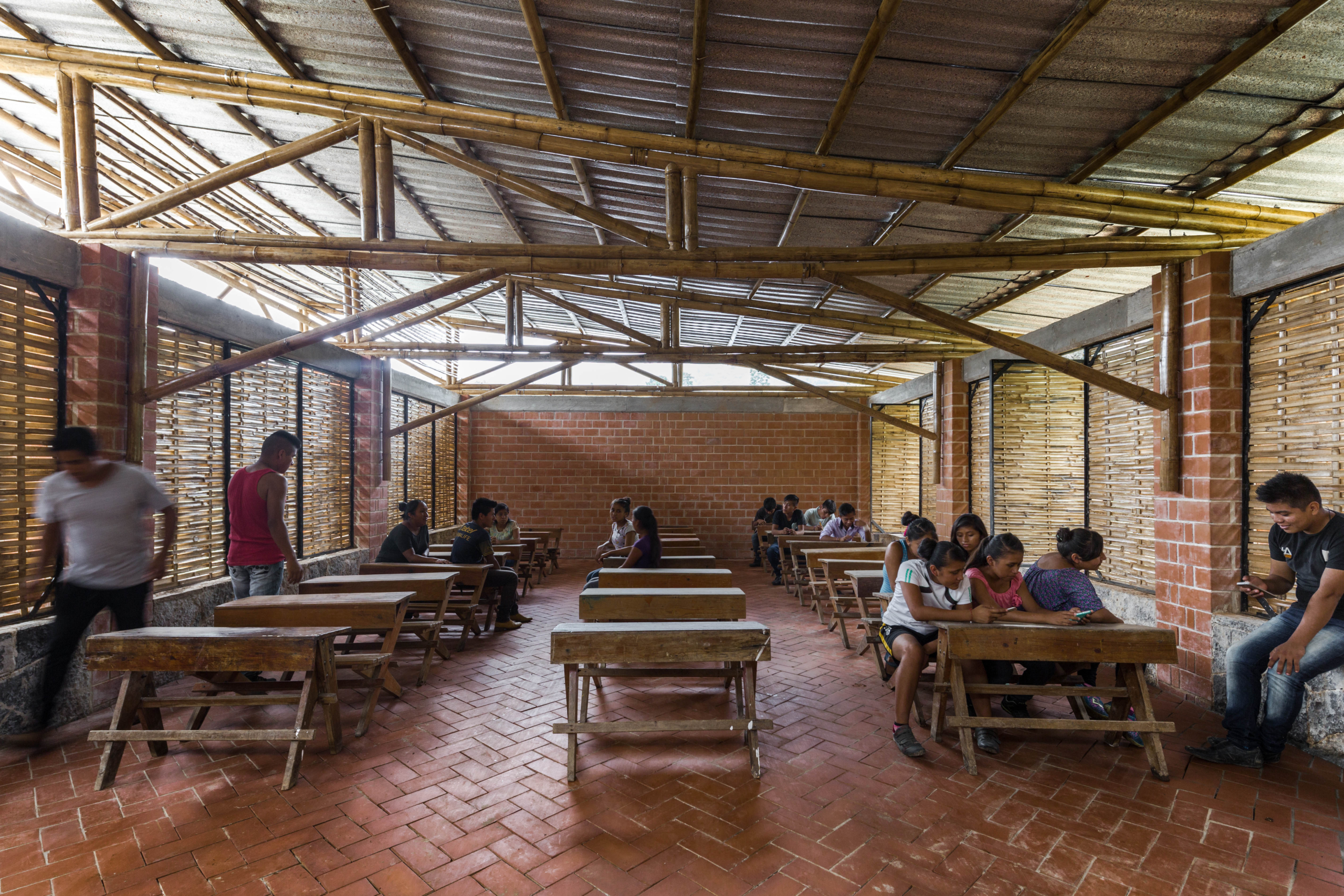
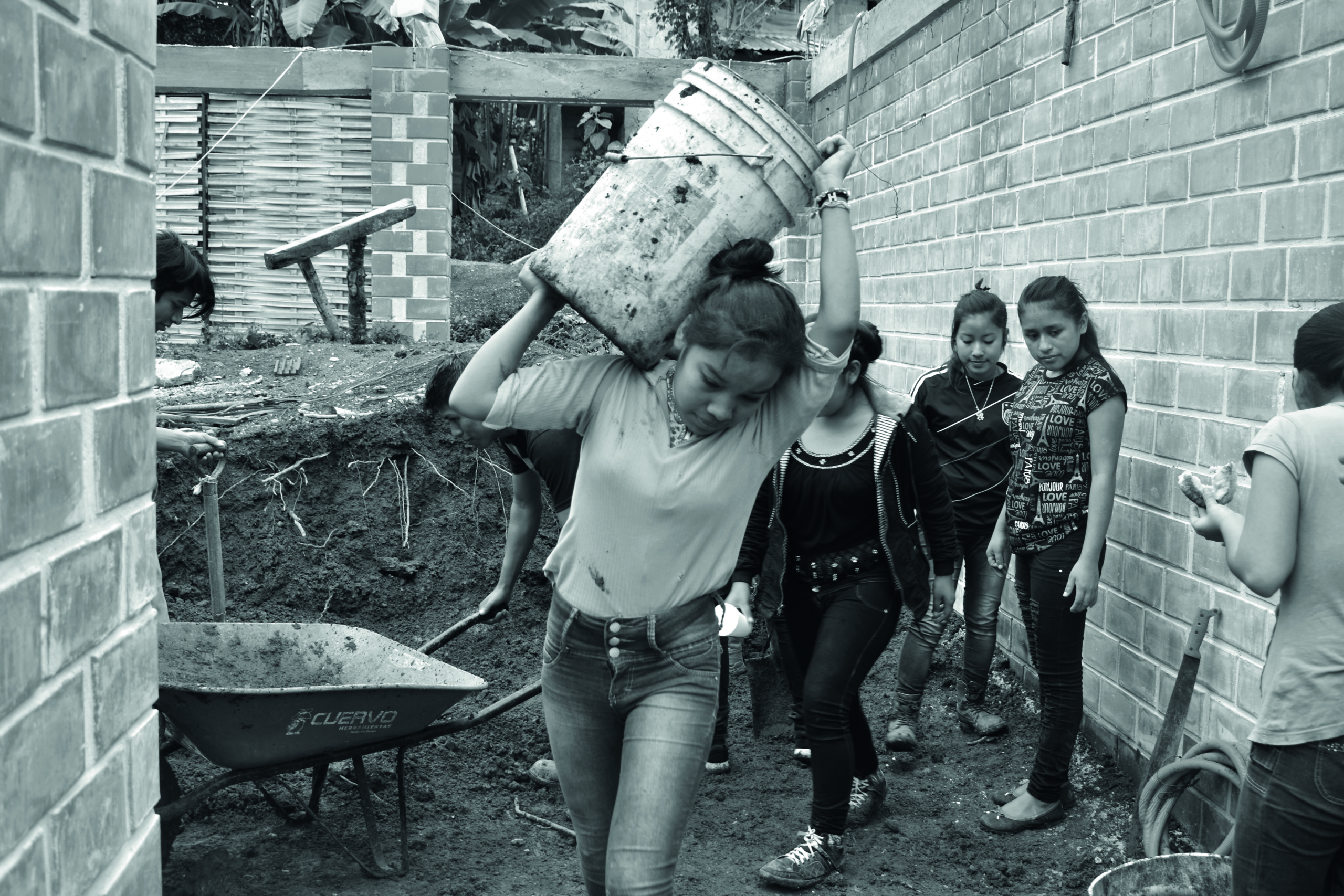
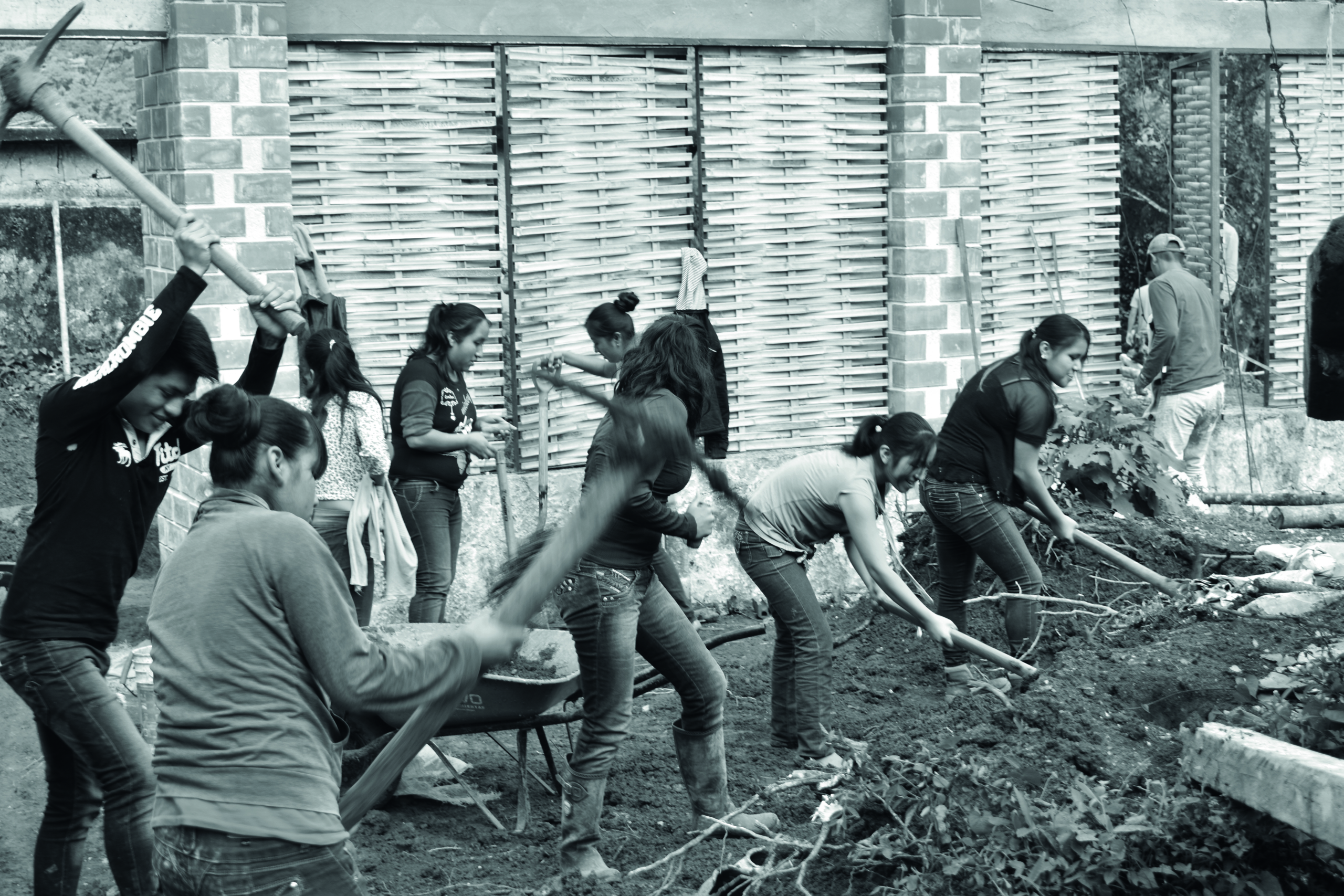
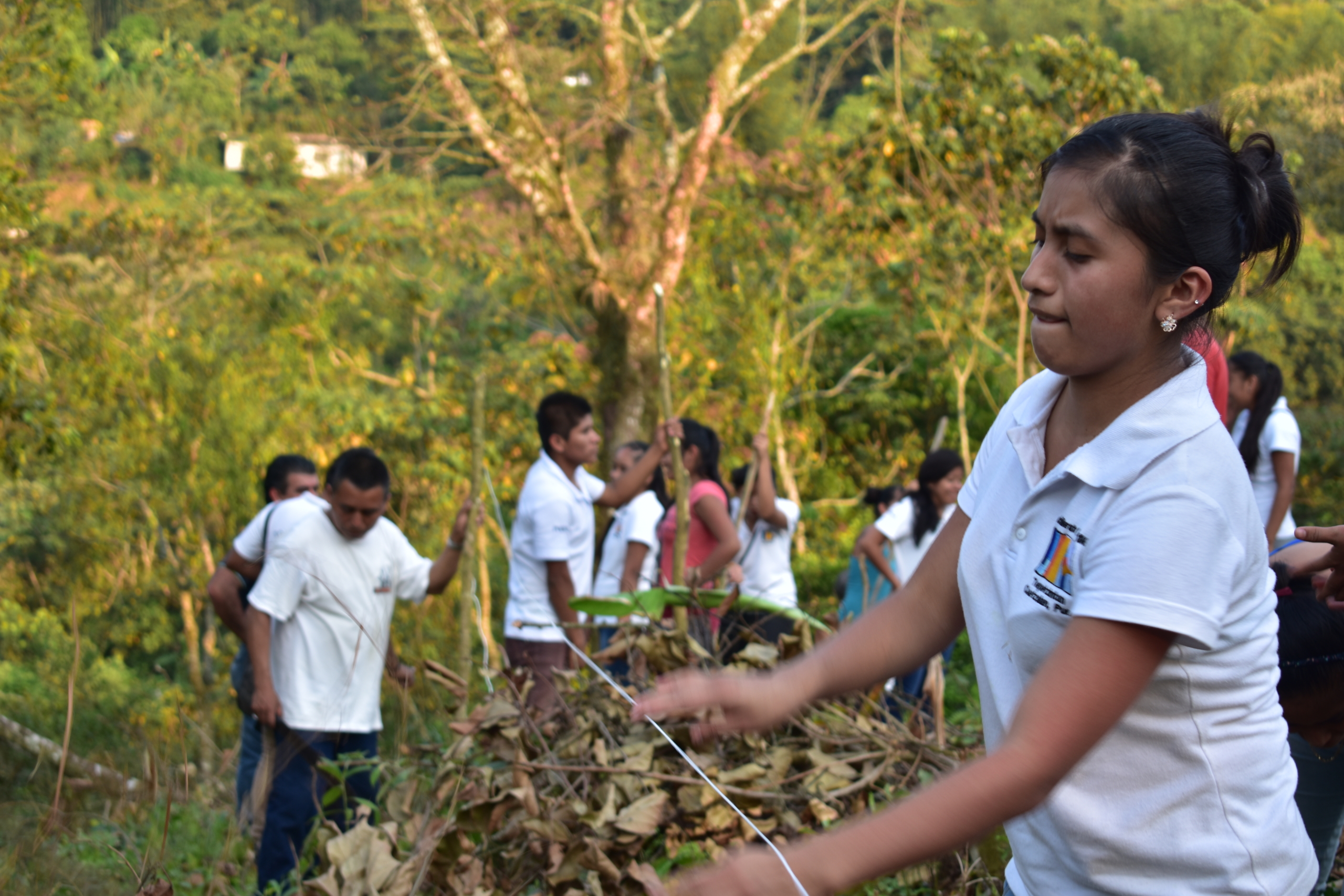
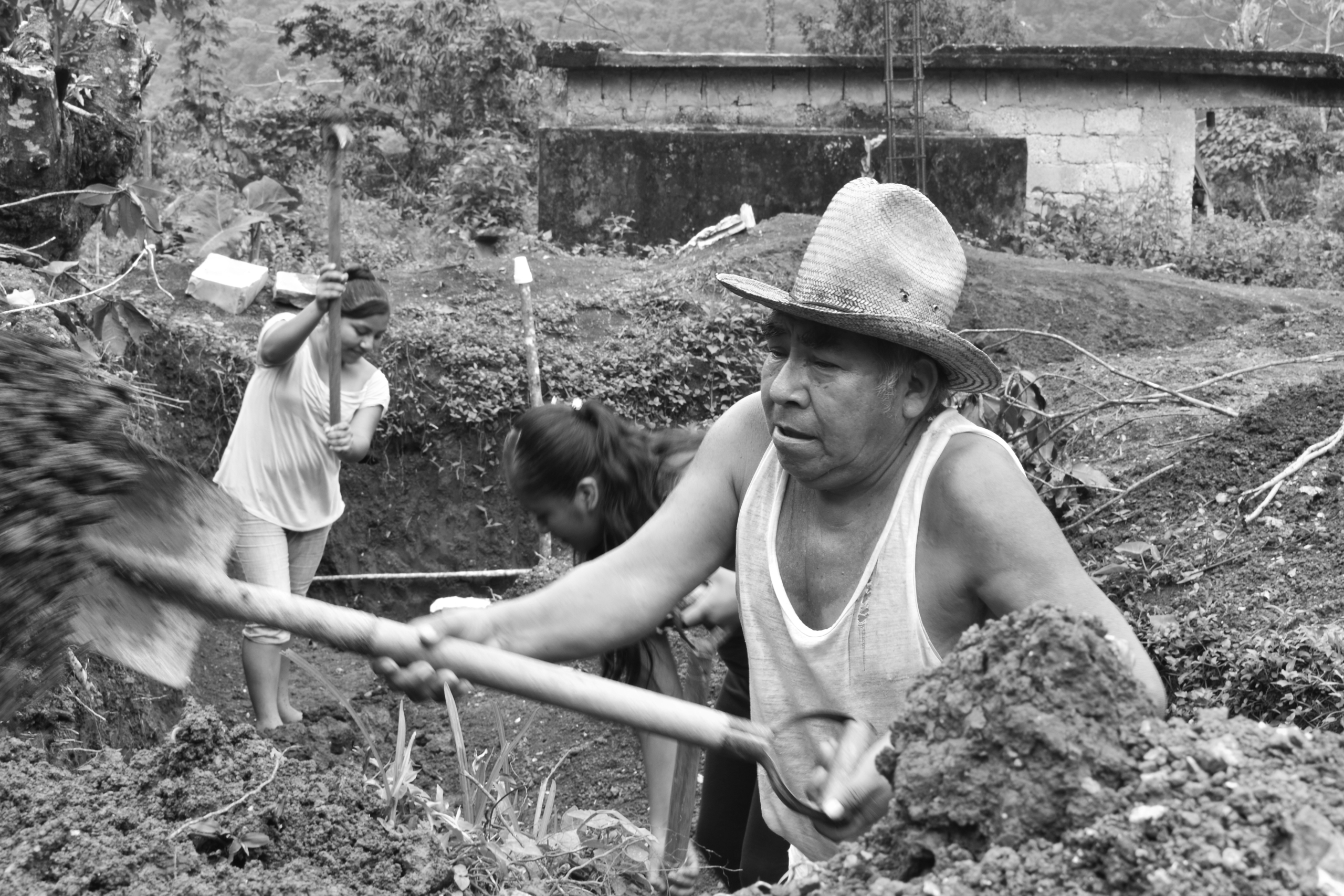
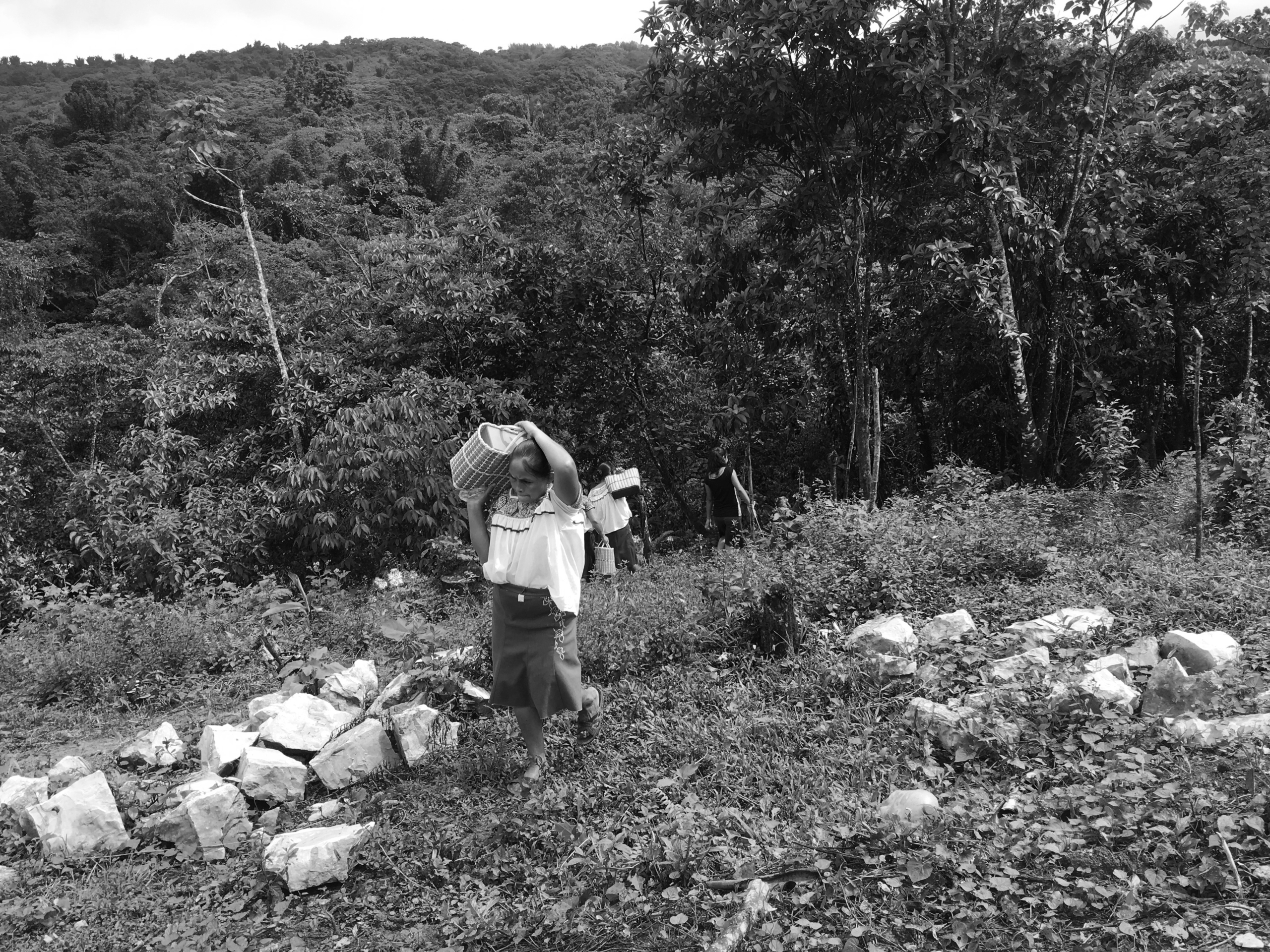
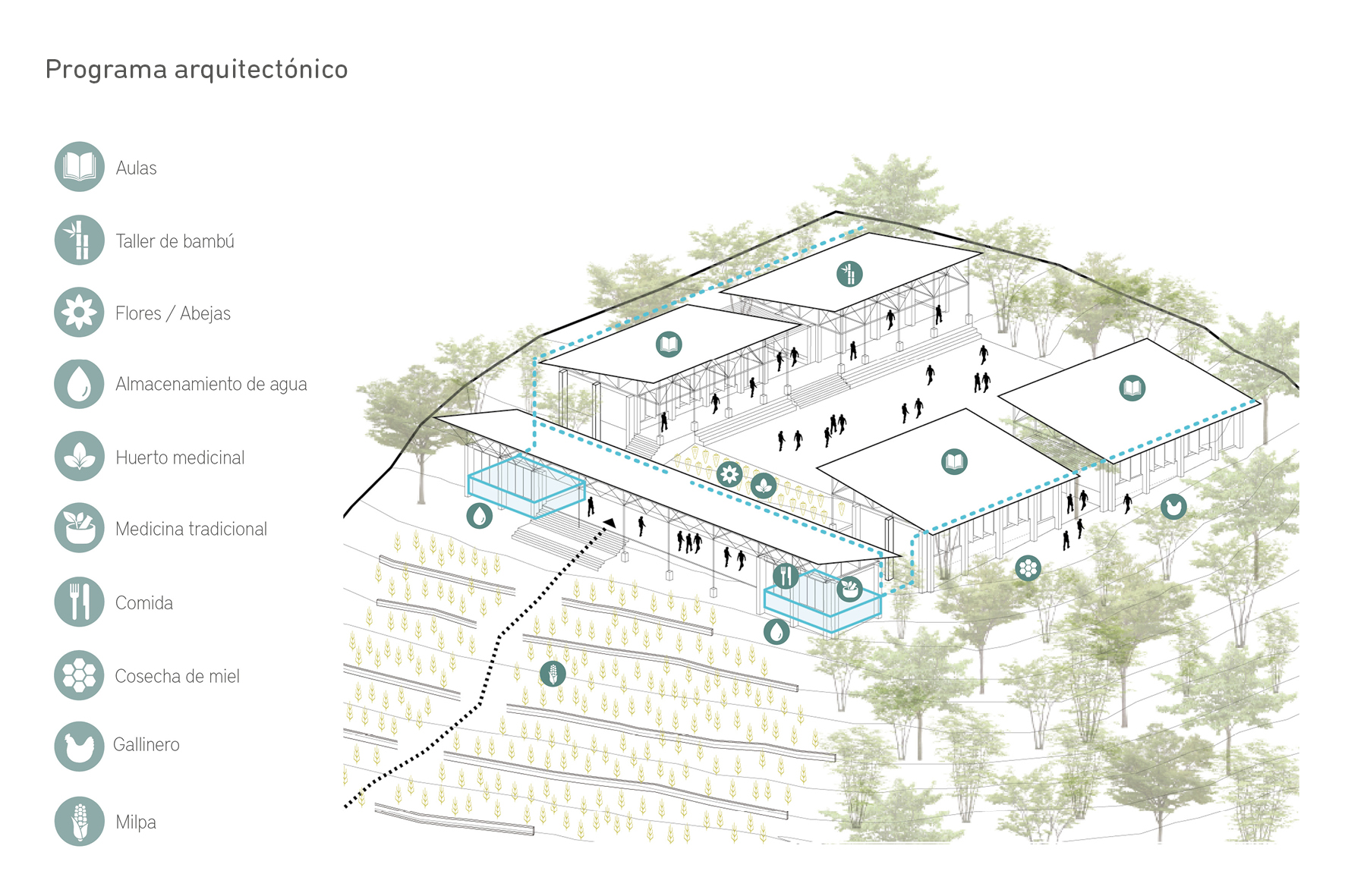
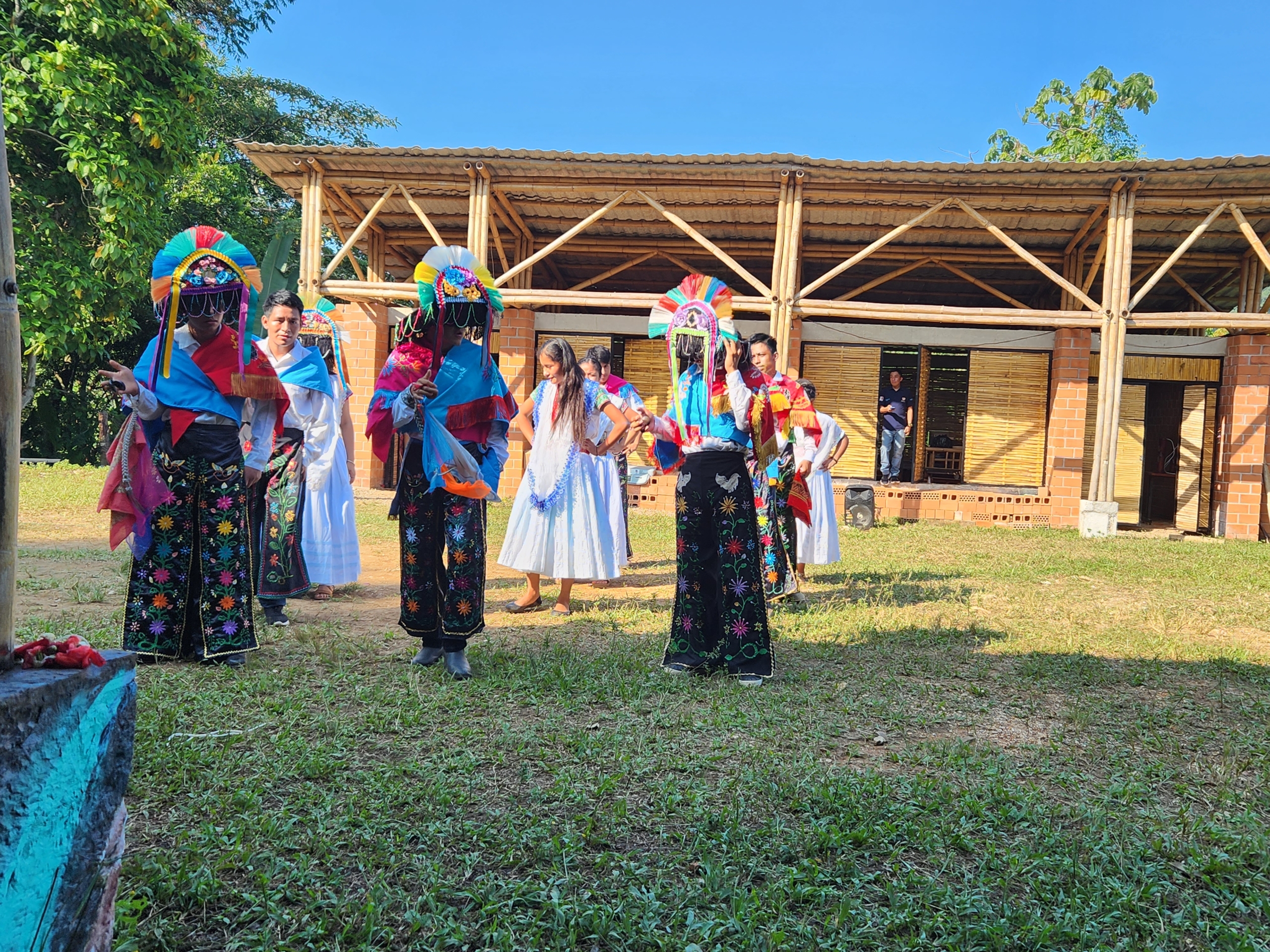
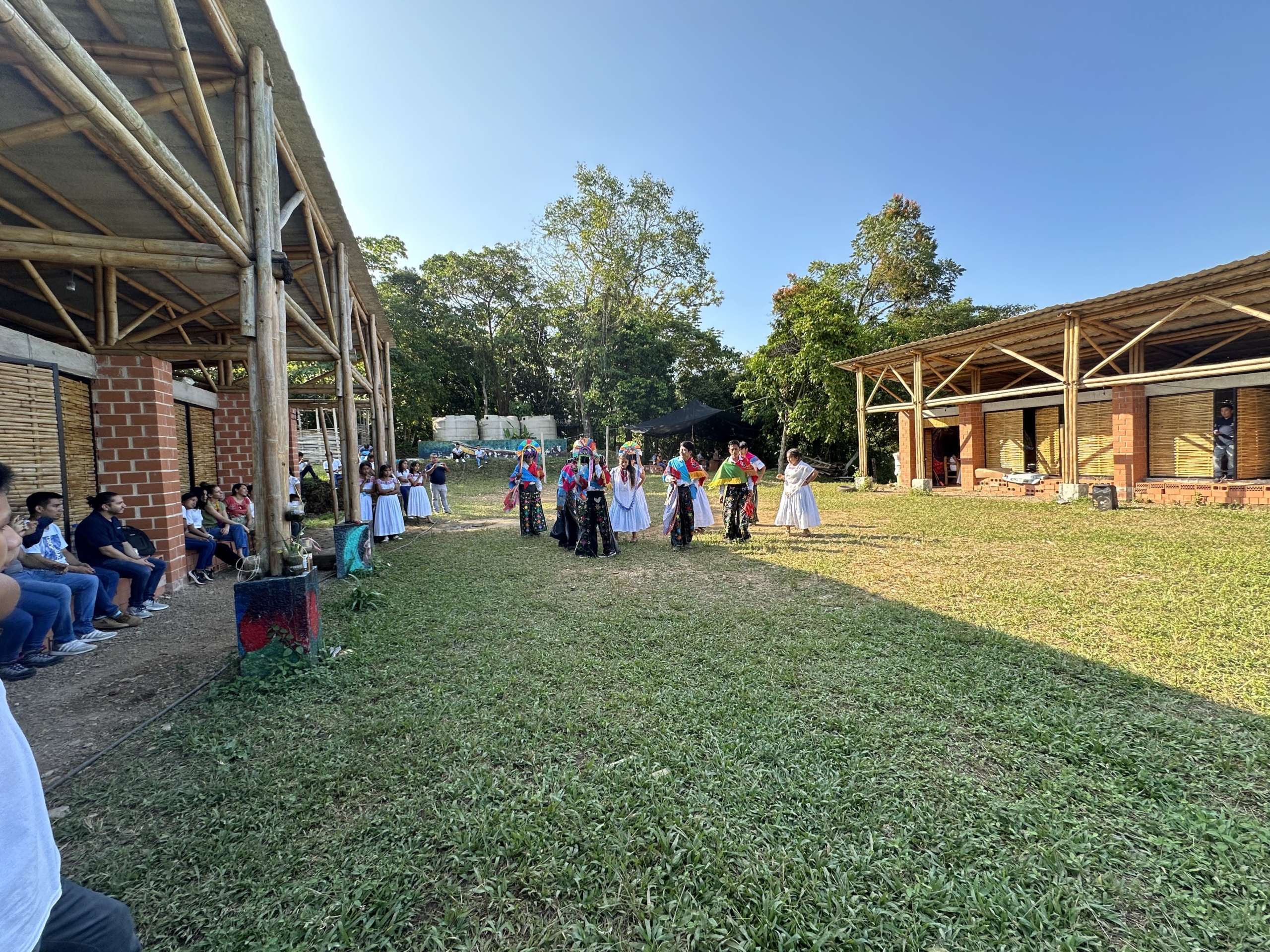
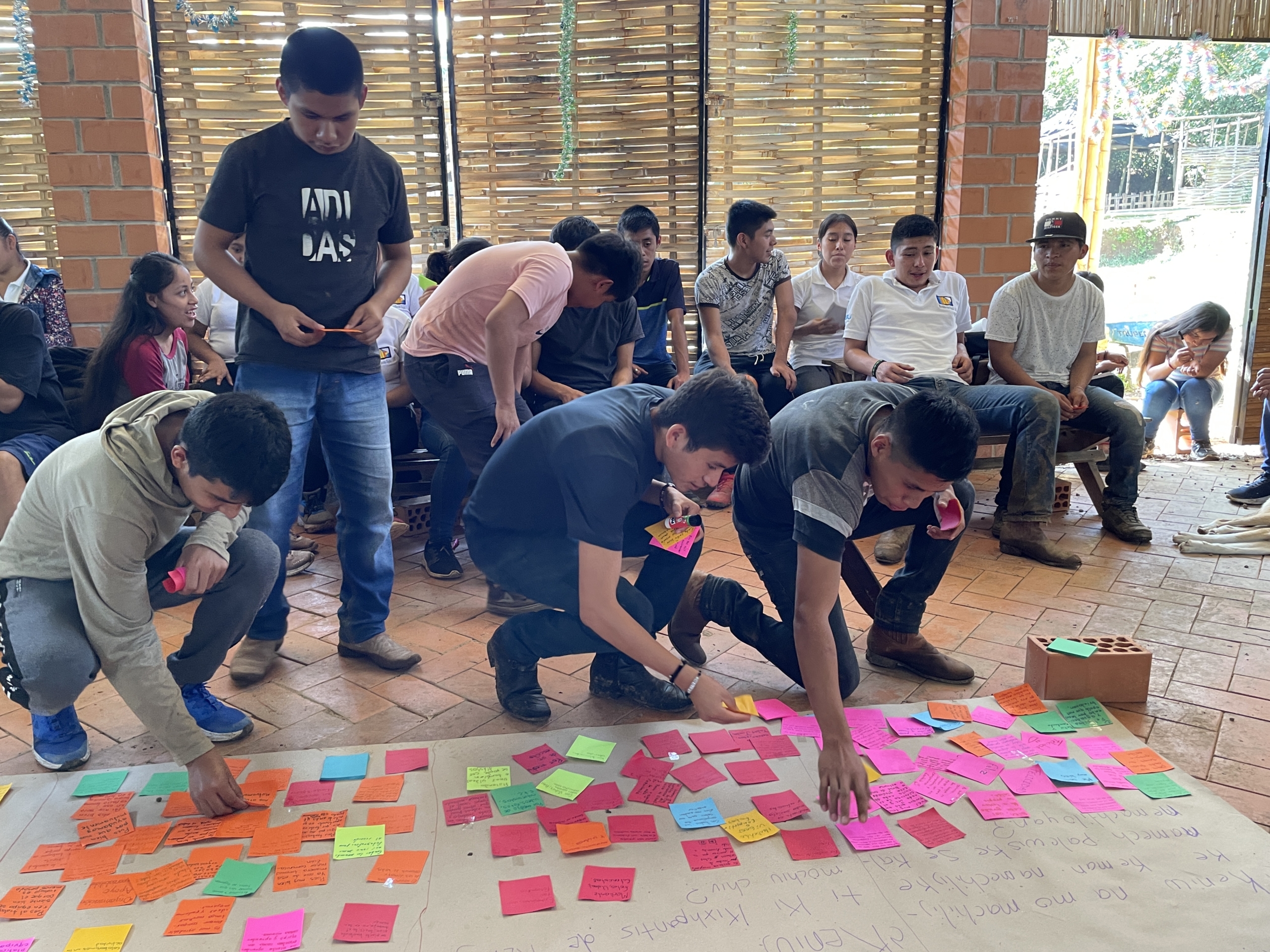
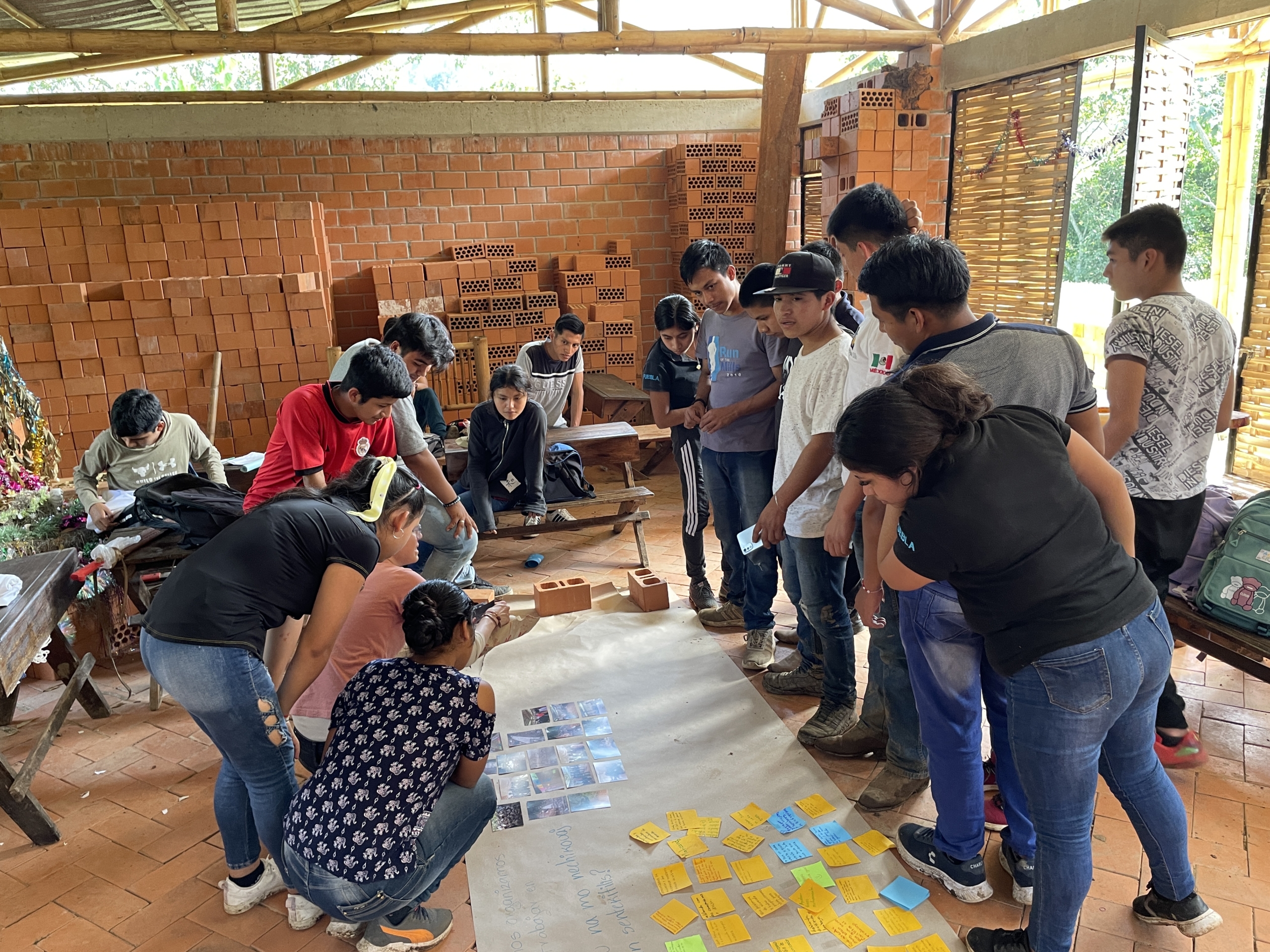
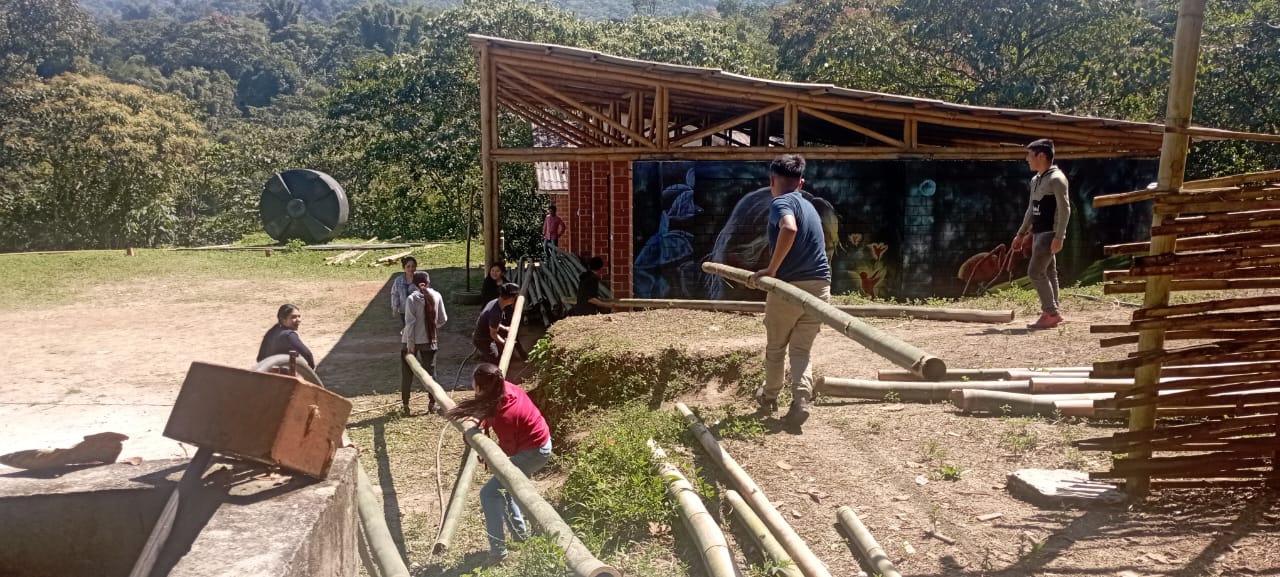
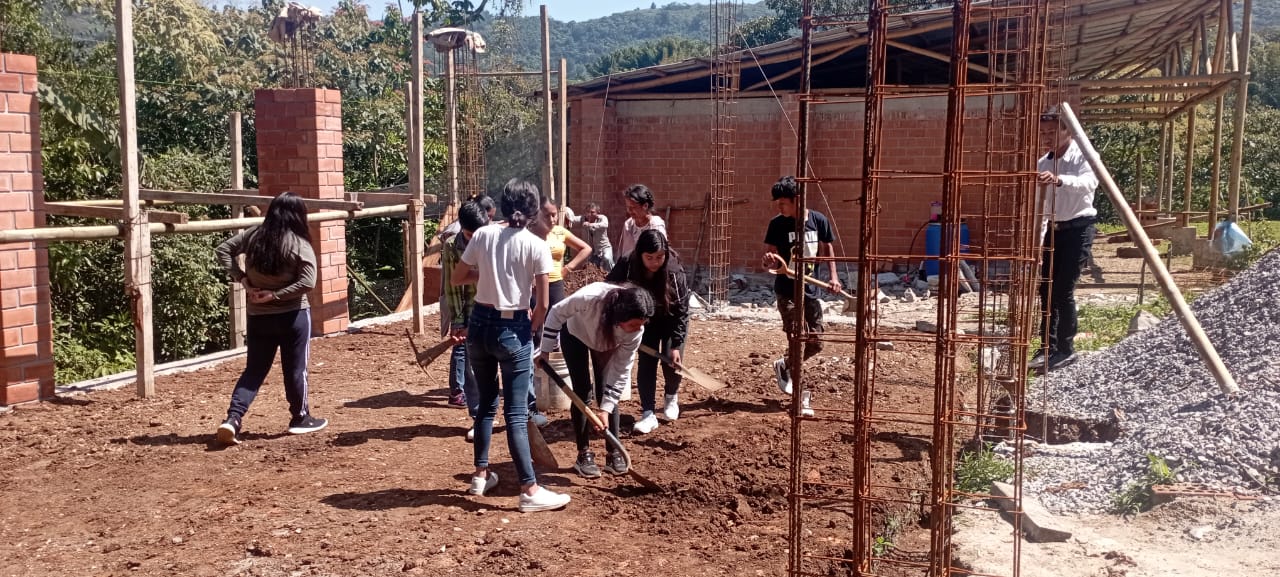
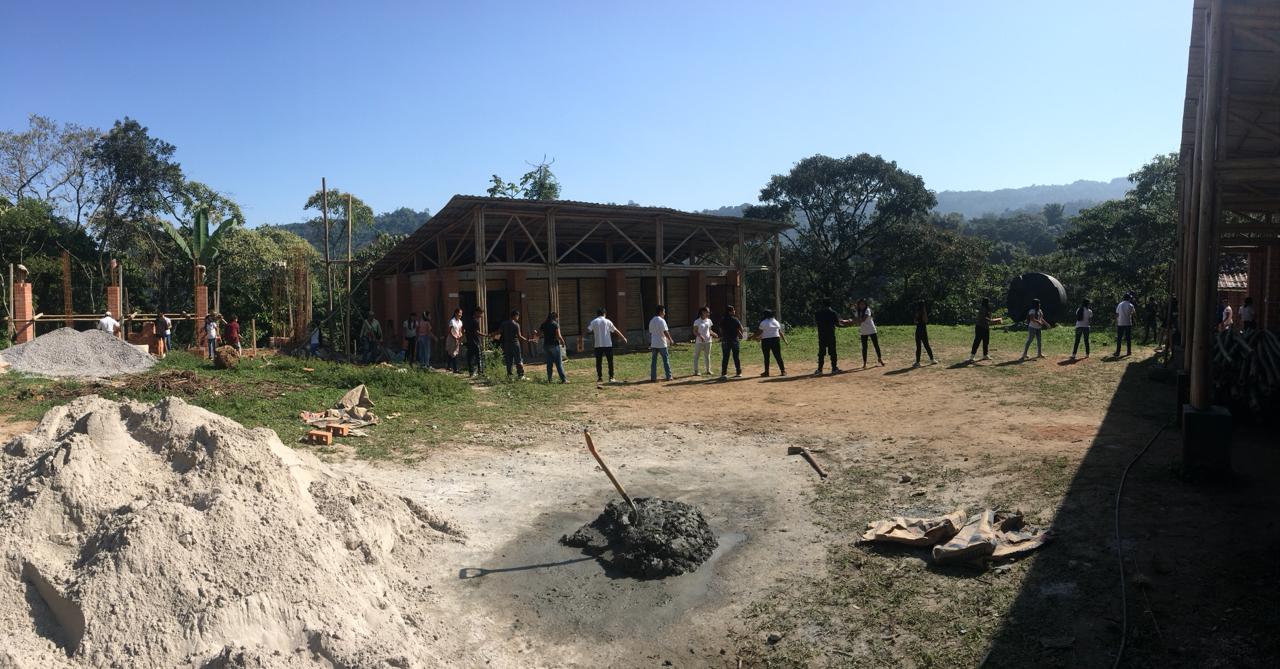
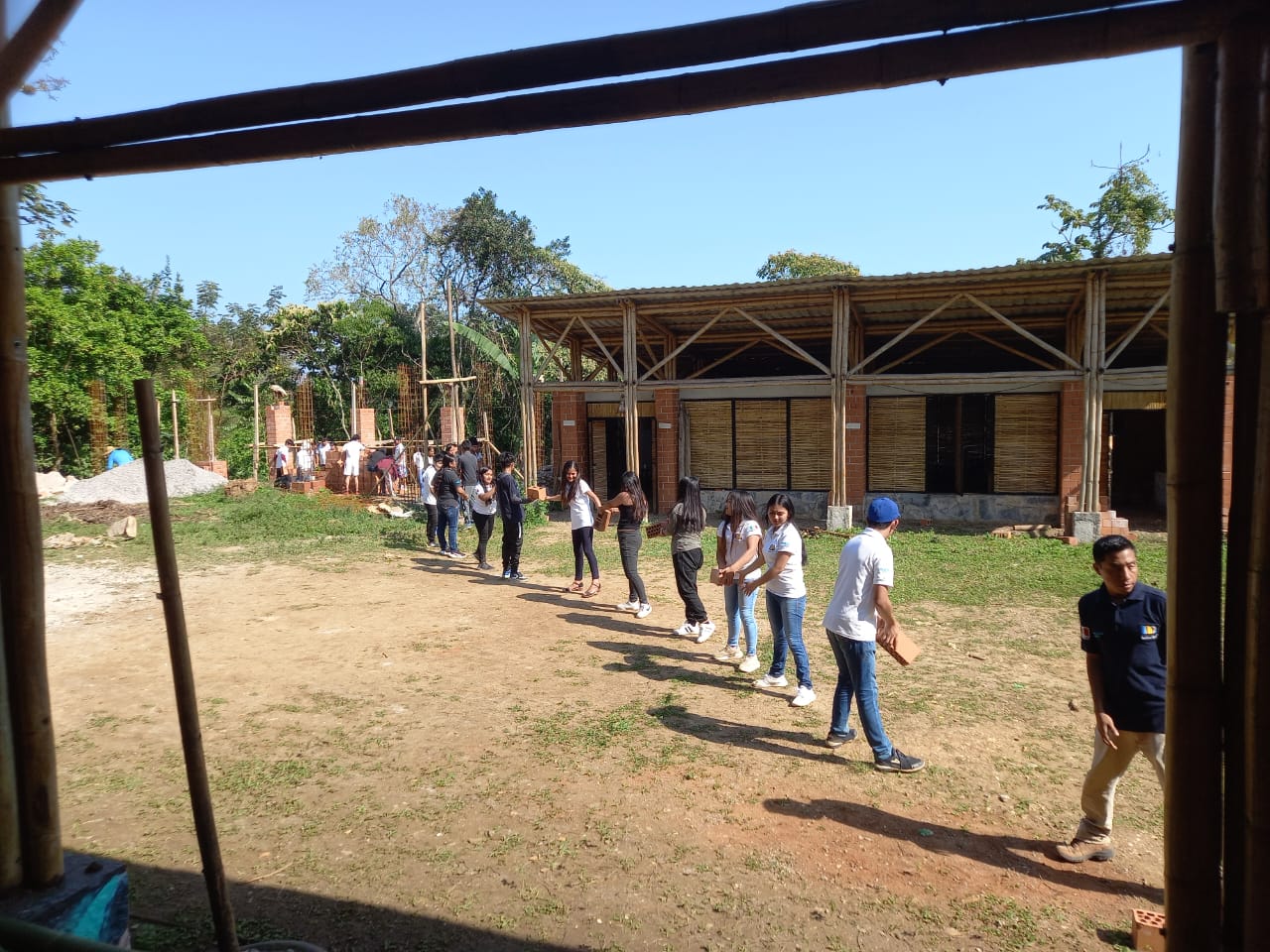
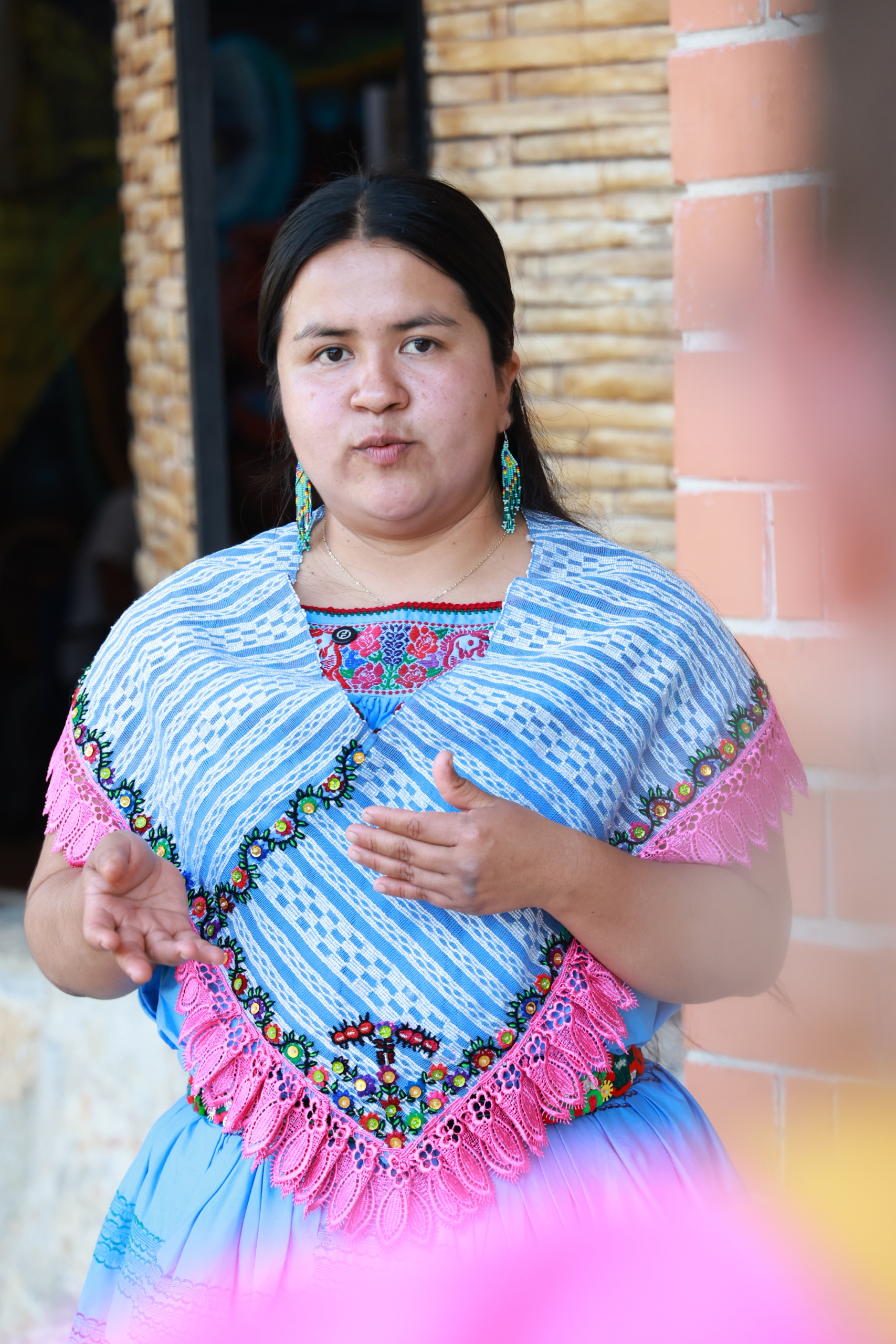
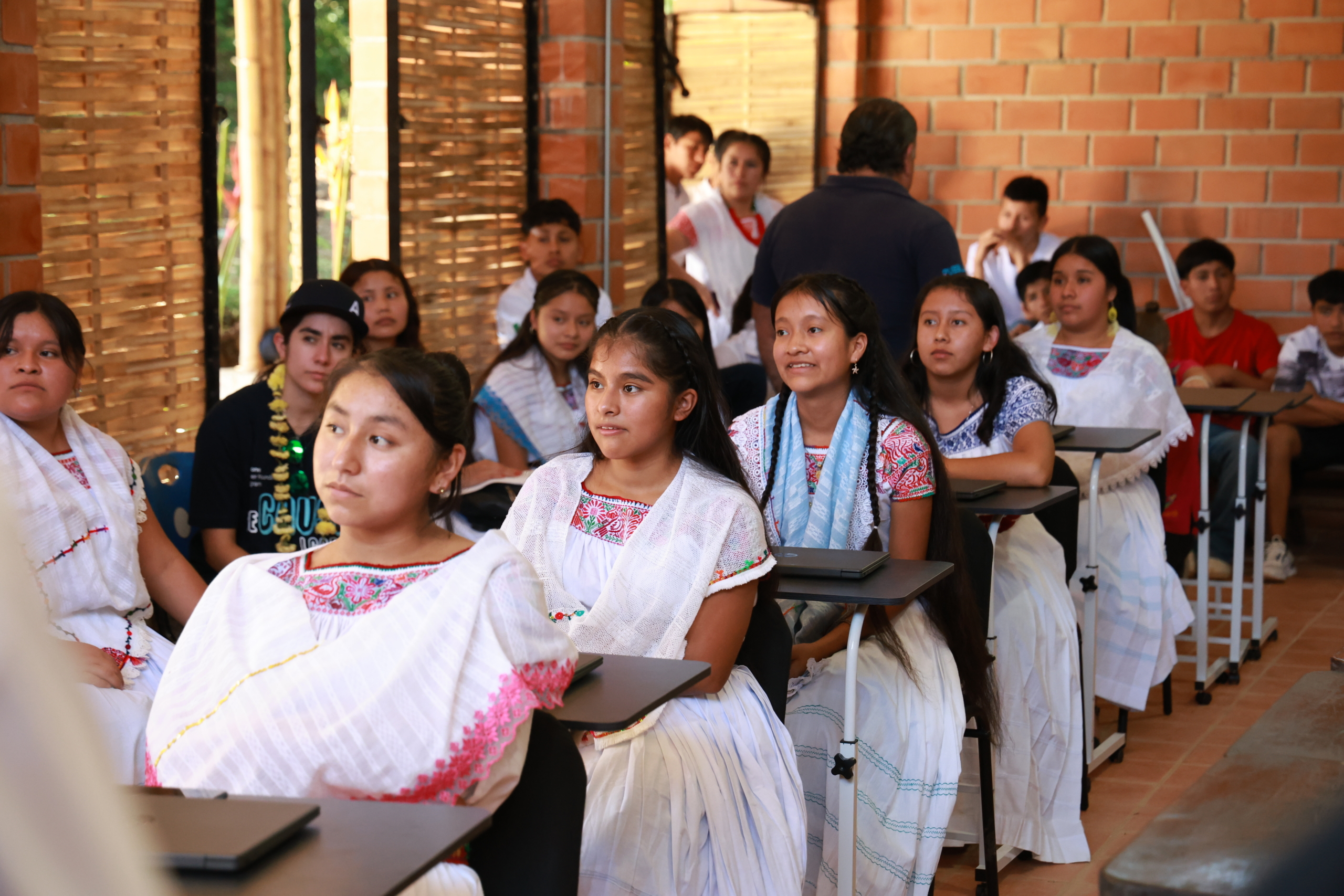
In Tepetzintan, Puebla, high school students faced difficulties as they had to attend classes in the afternoons at a secondary school. This caused problems and discontent among the student community and parents. As a result, the community started a self-managed project called Rural Skills School. The students proposed that the Digital High School of Tepetzintan should become a Rural Skills School that teaches practical skills and ancestral agricultural knowledge to preserve indigenous language and culture.
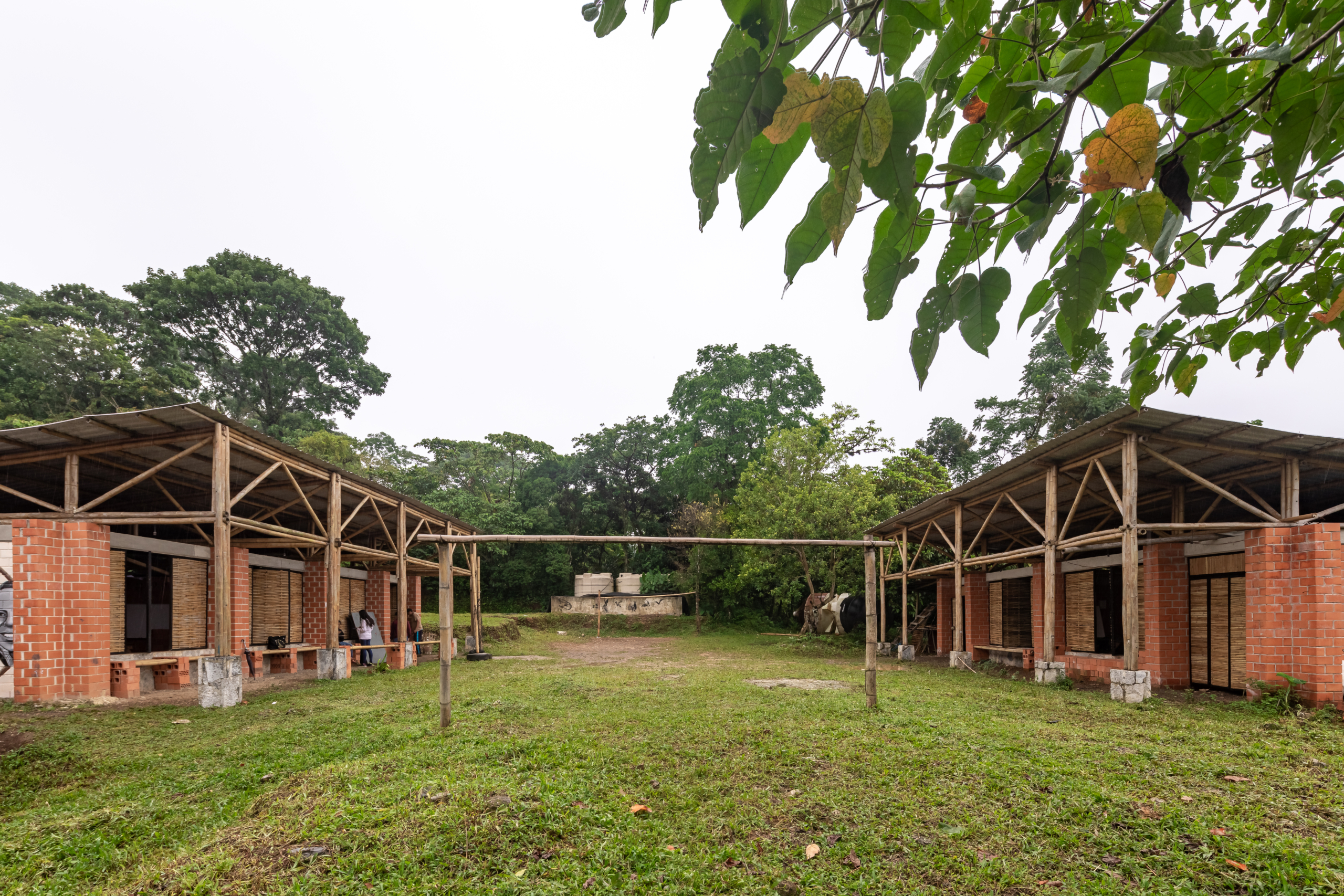
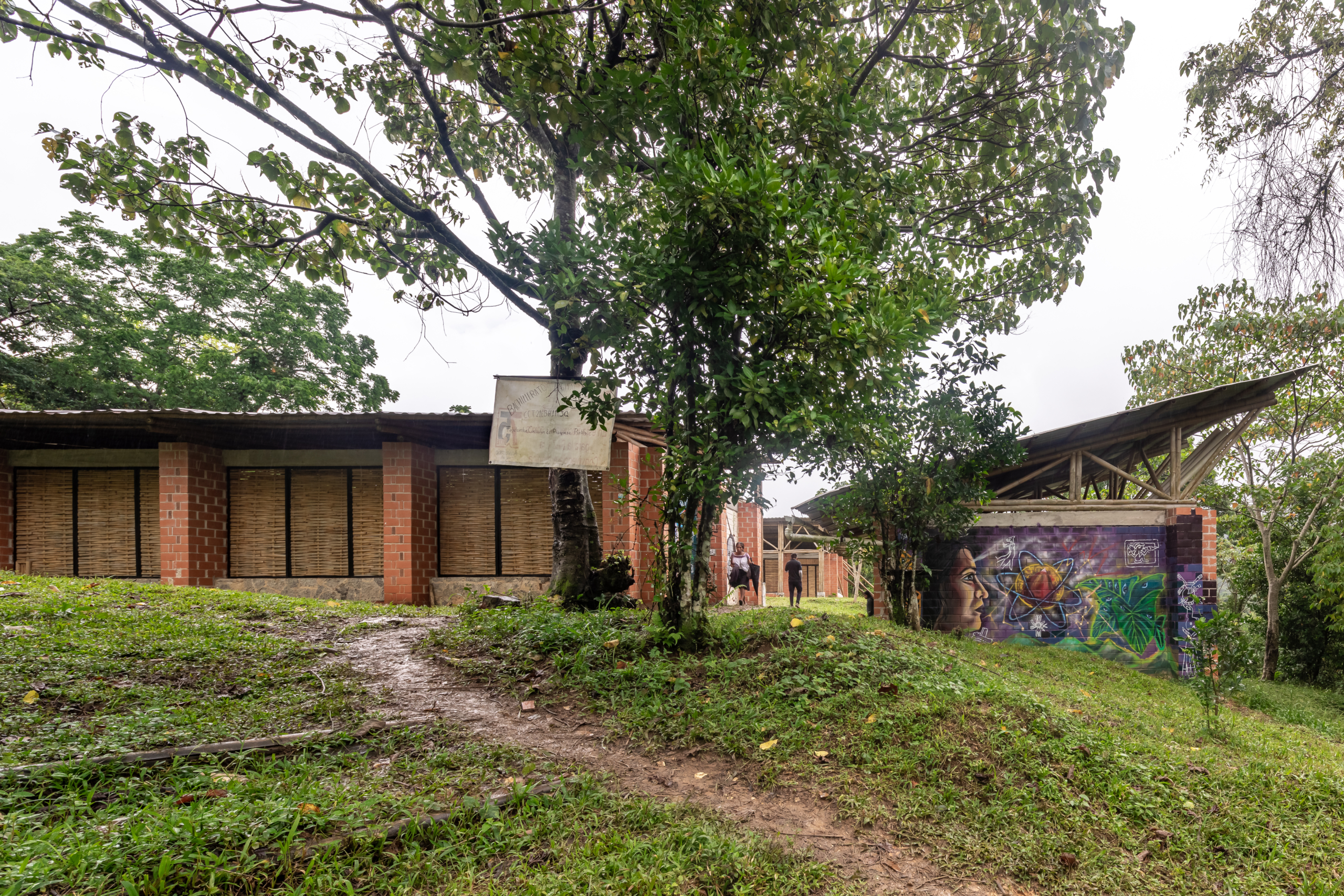
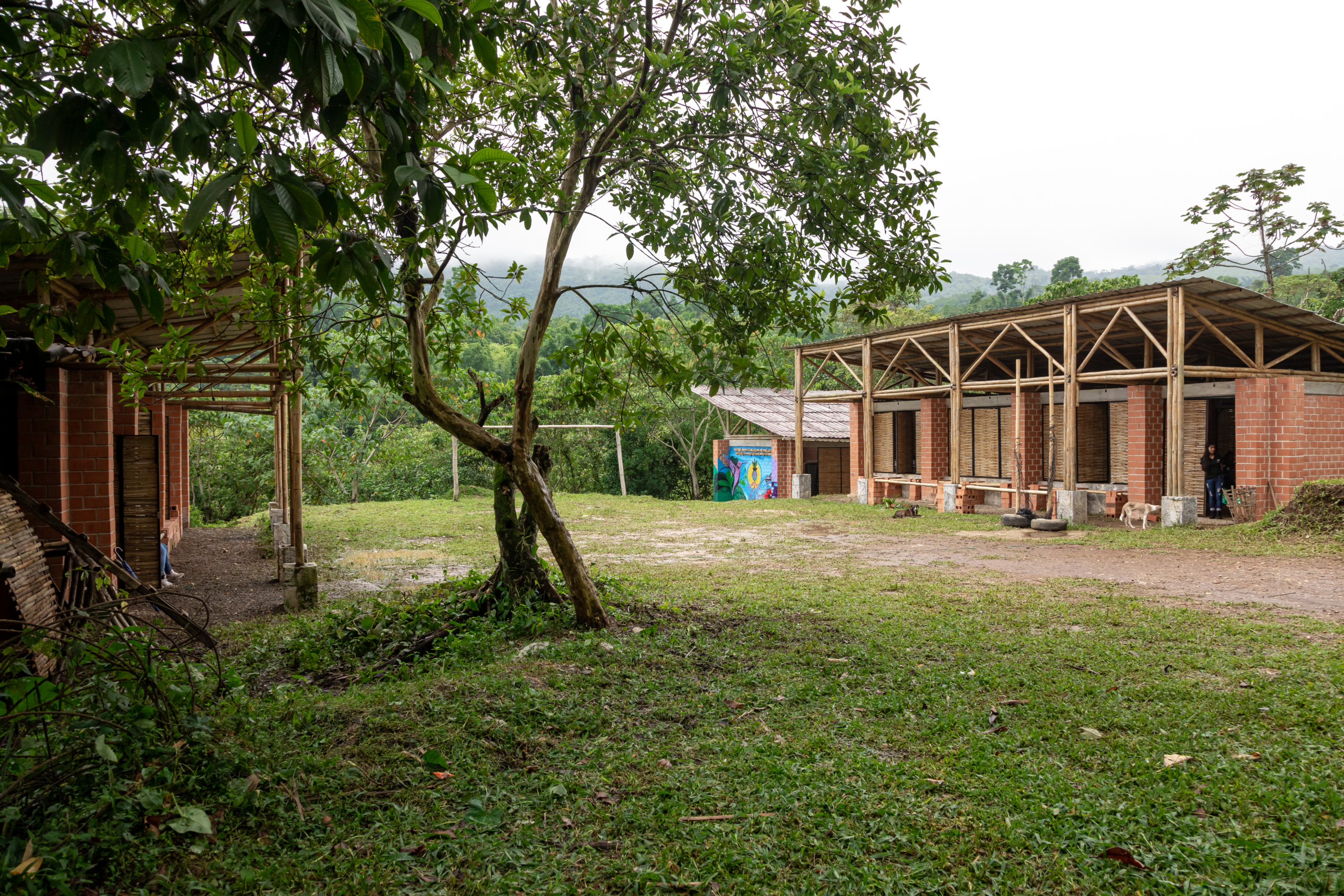
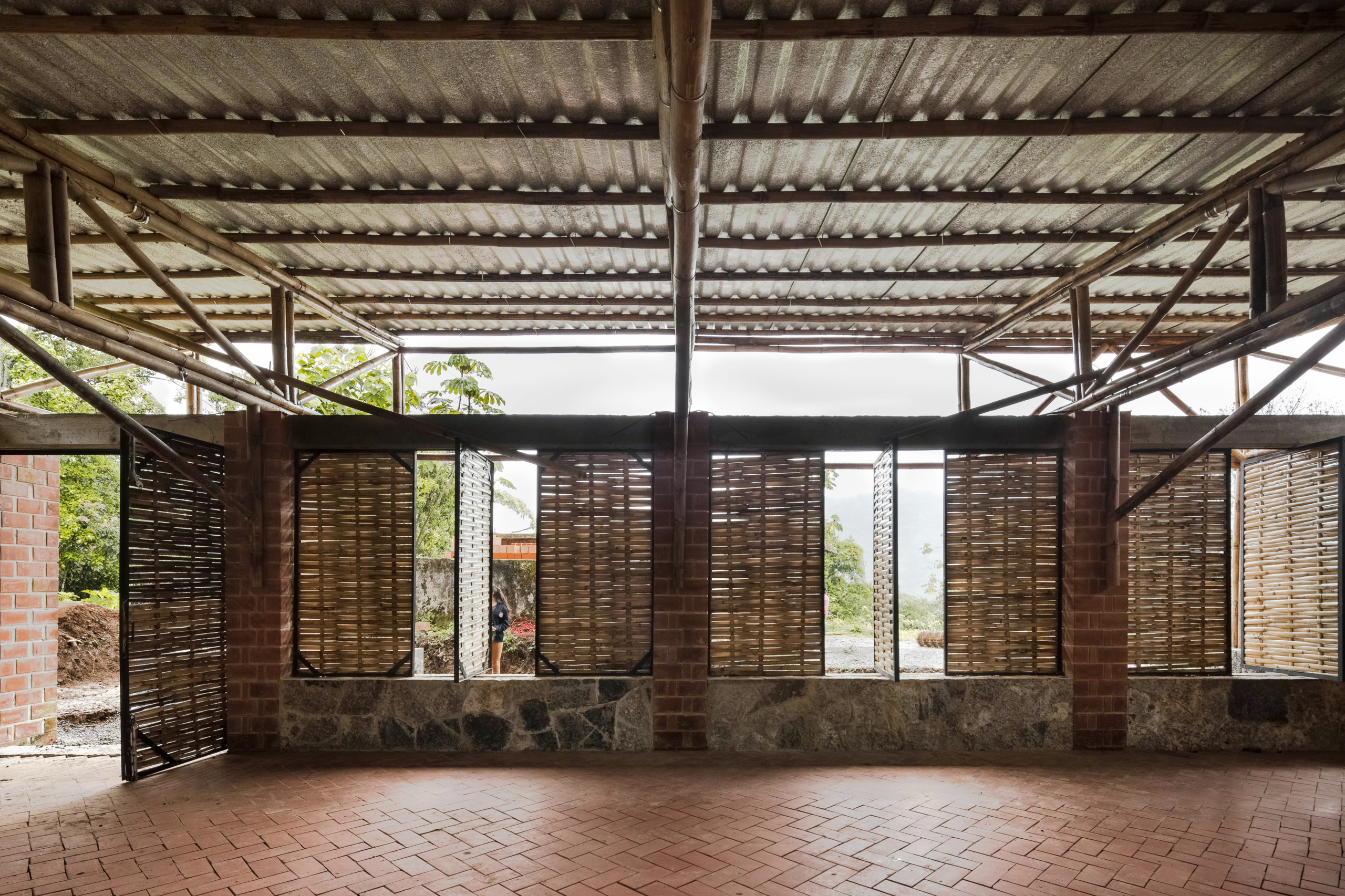
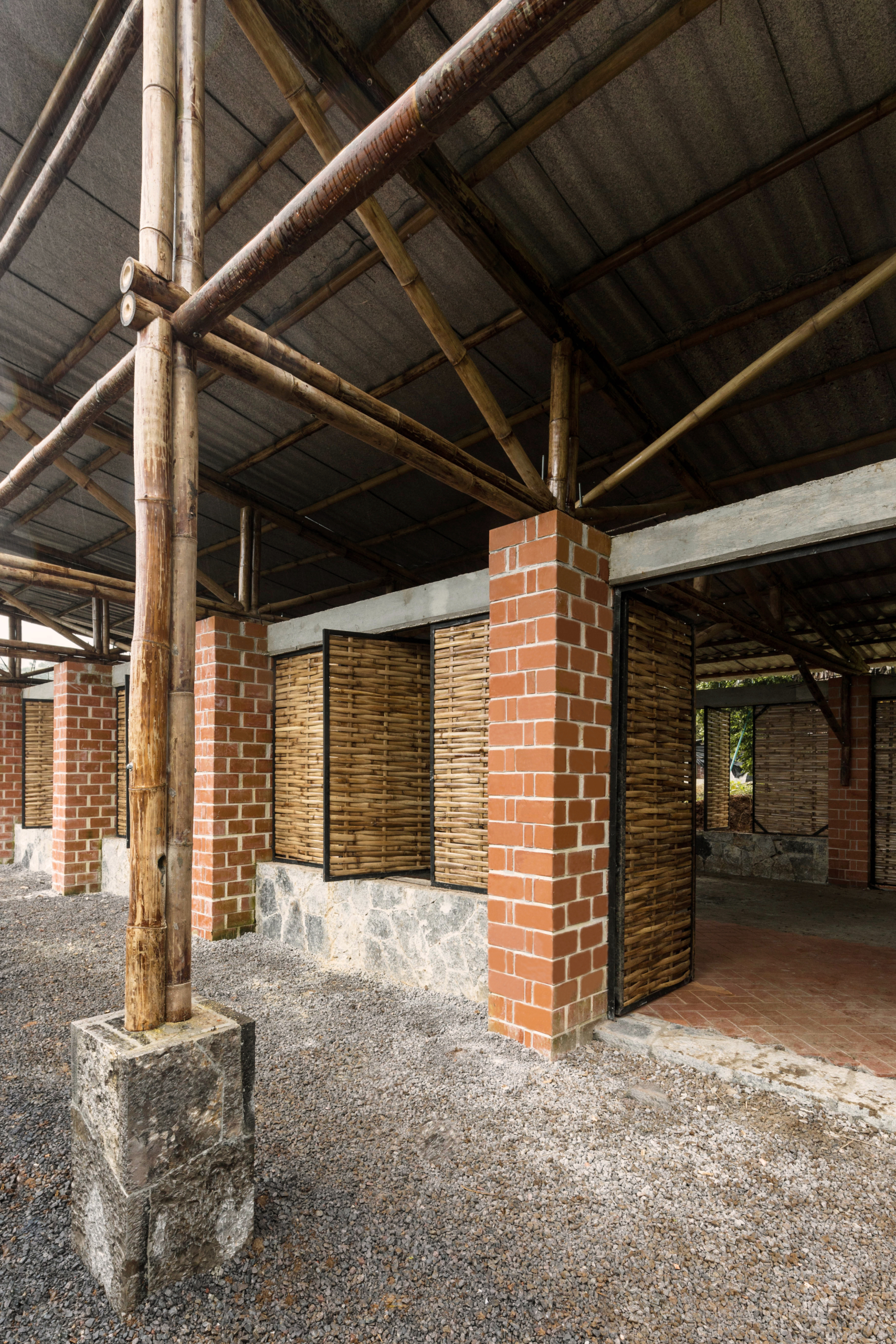
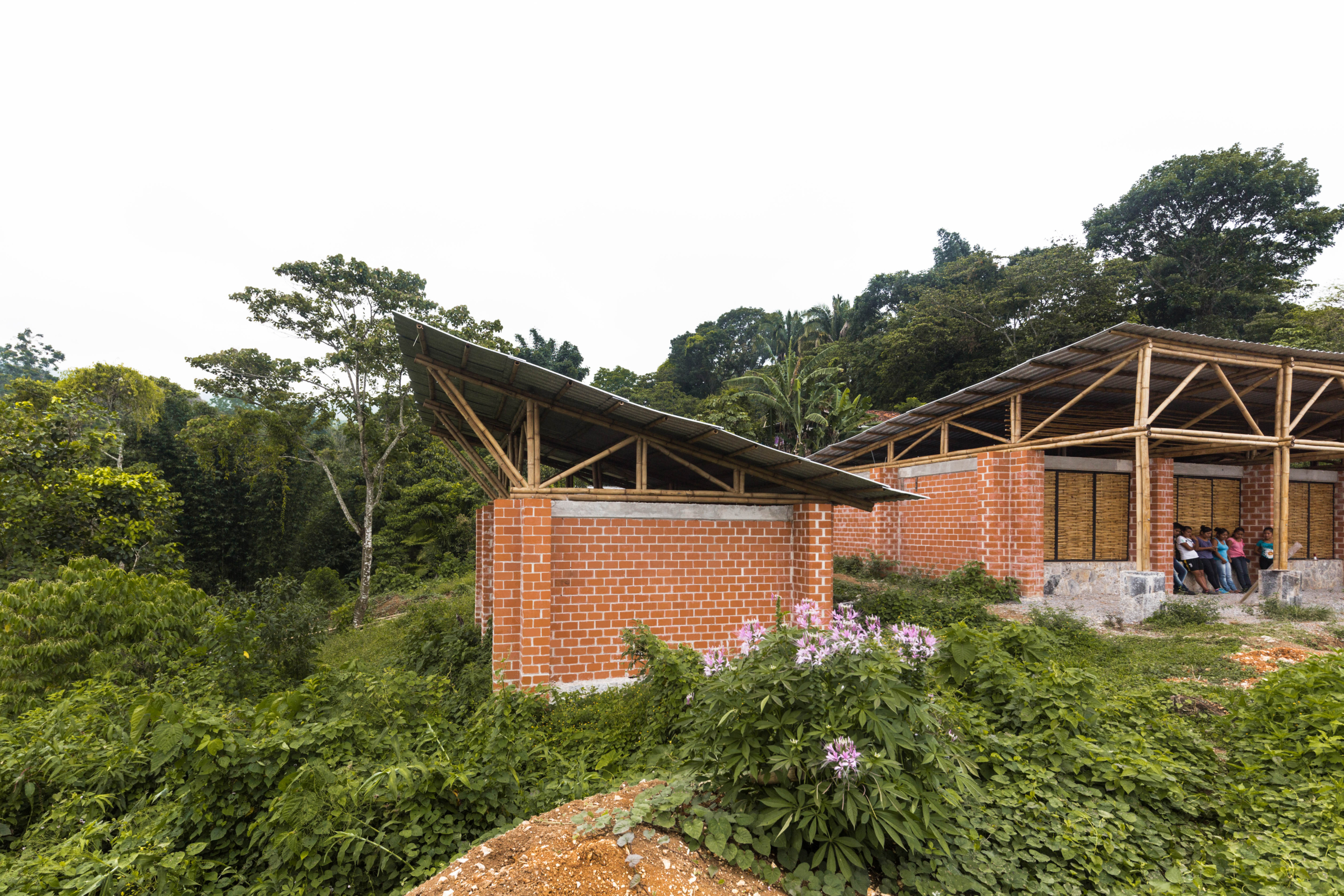
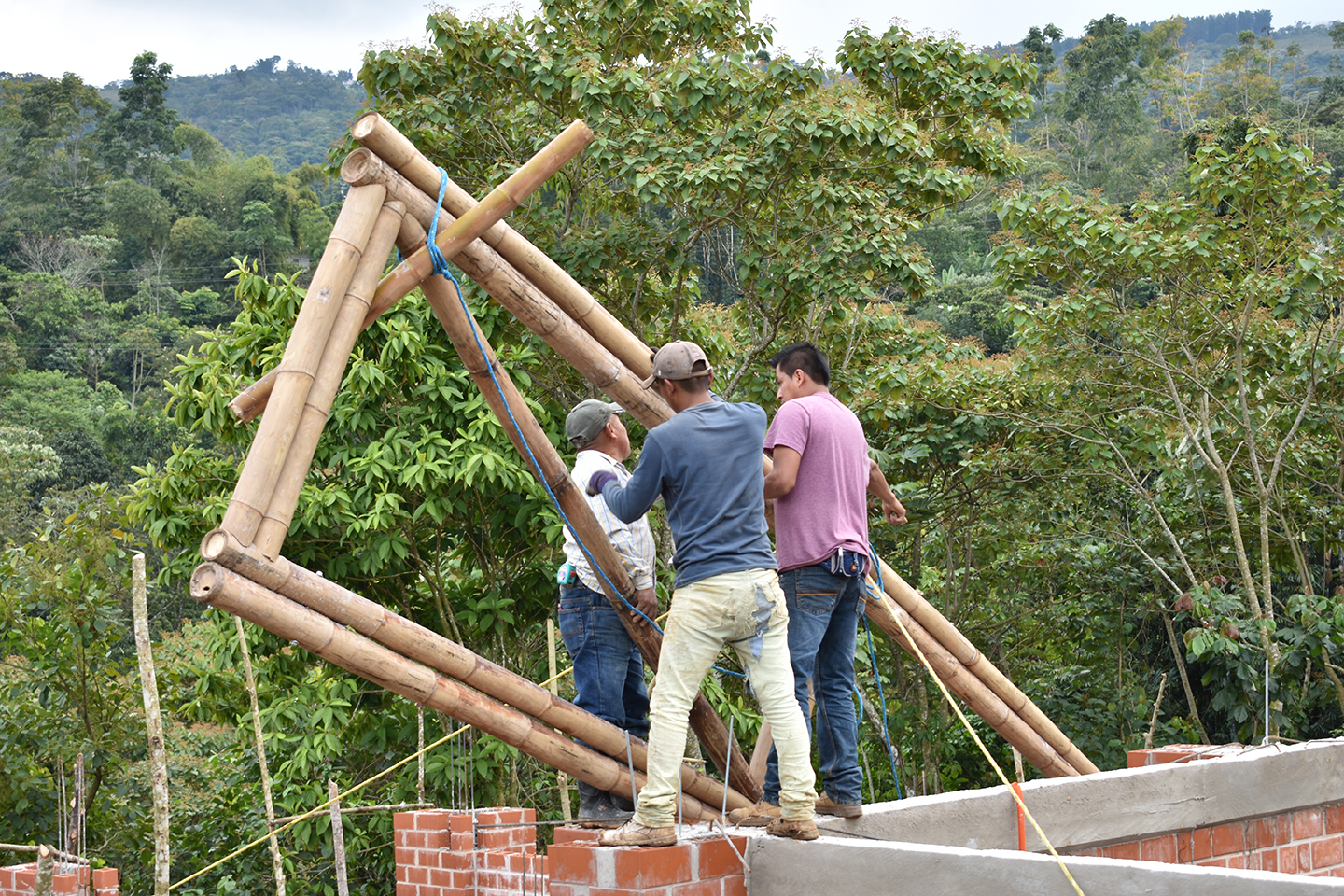
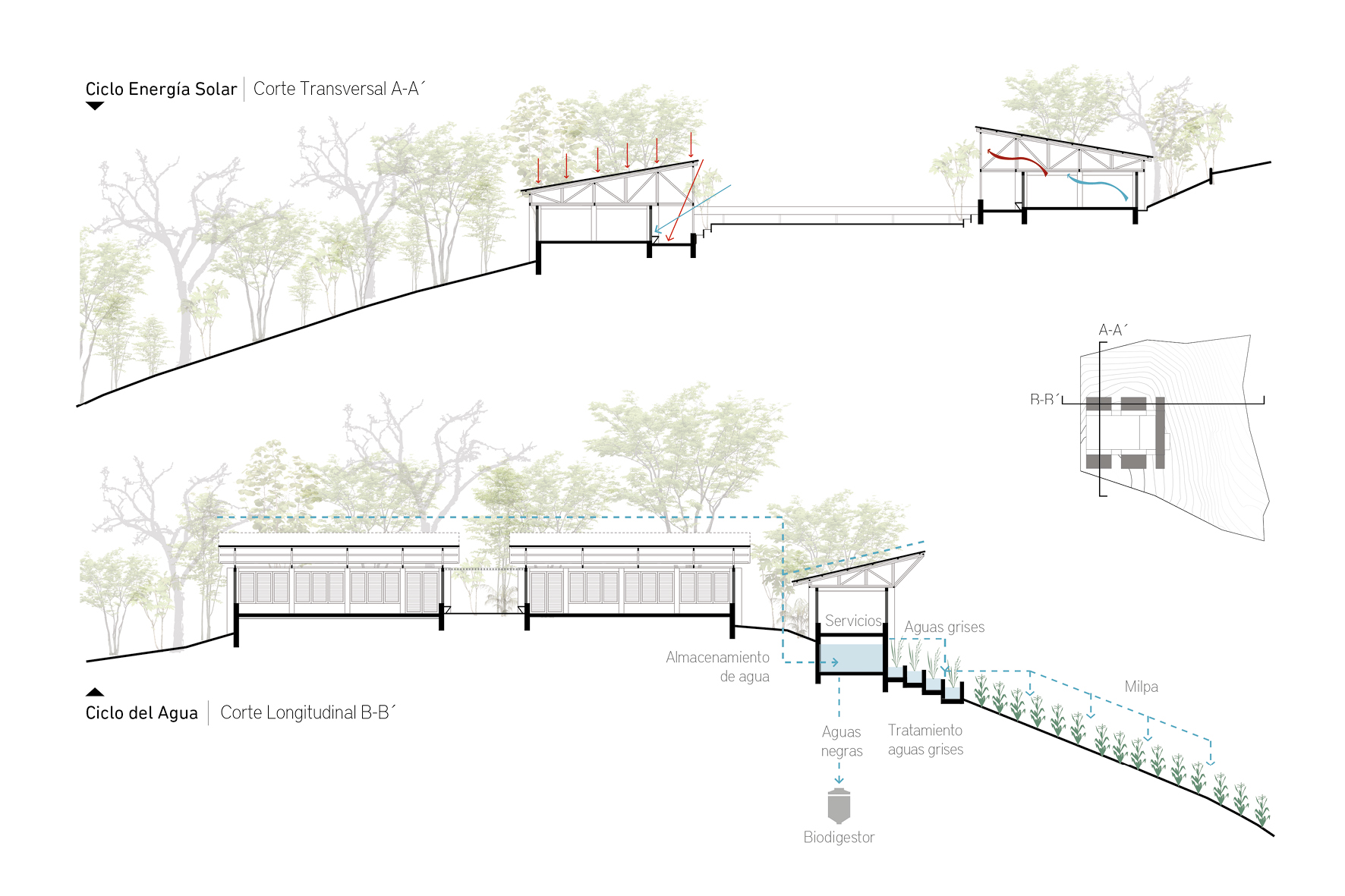
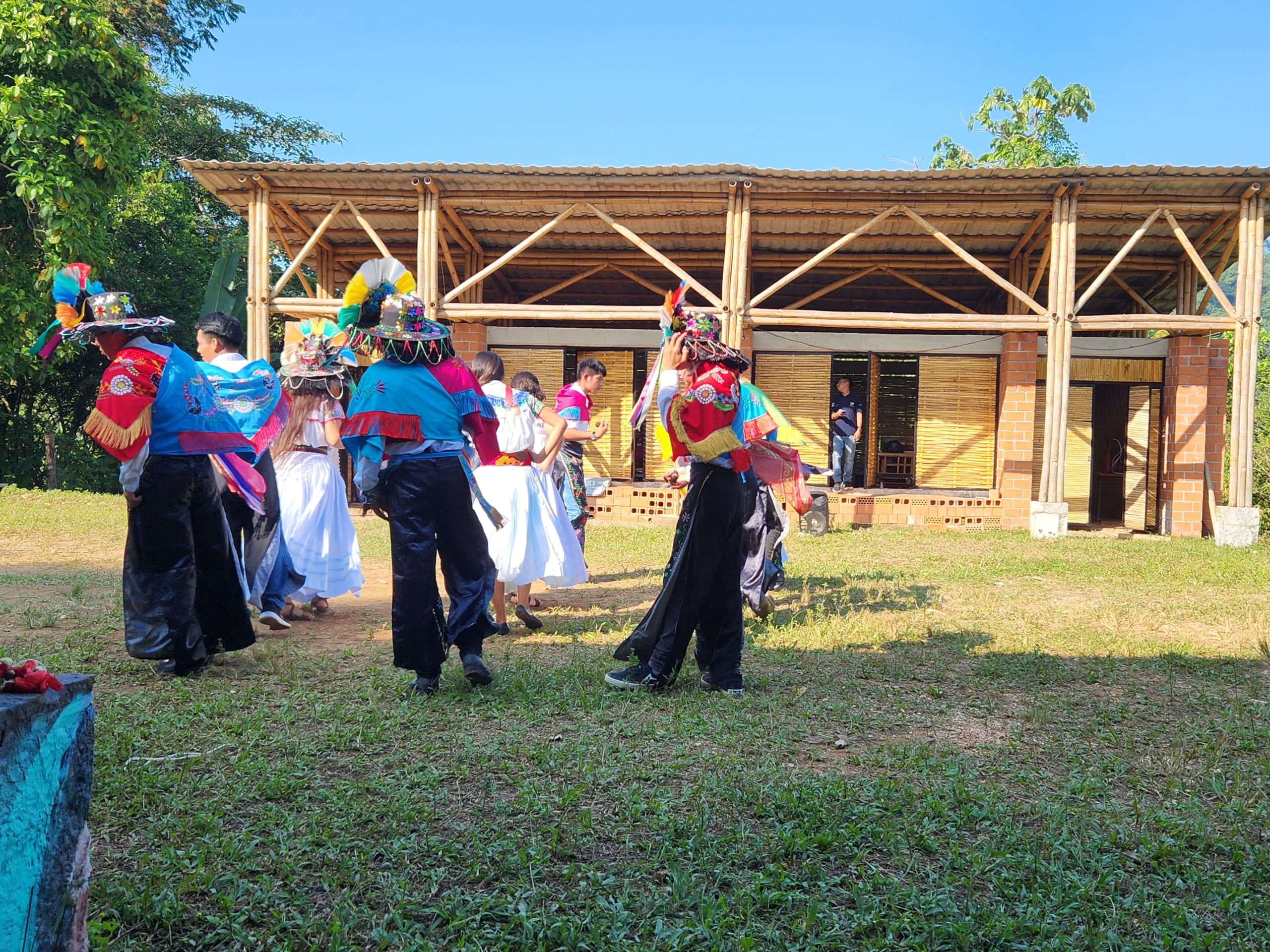
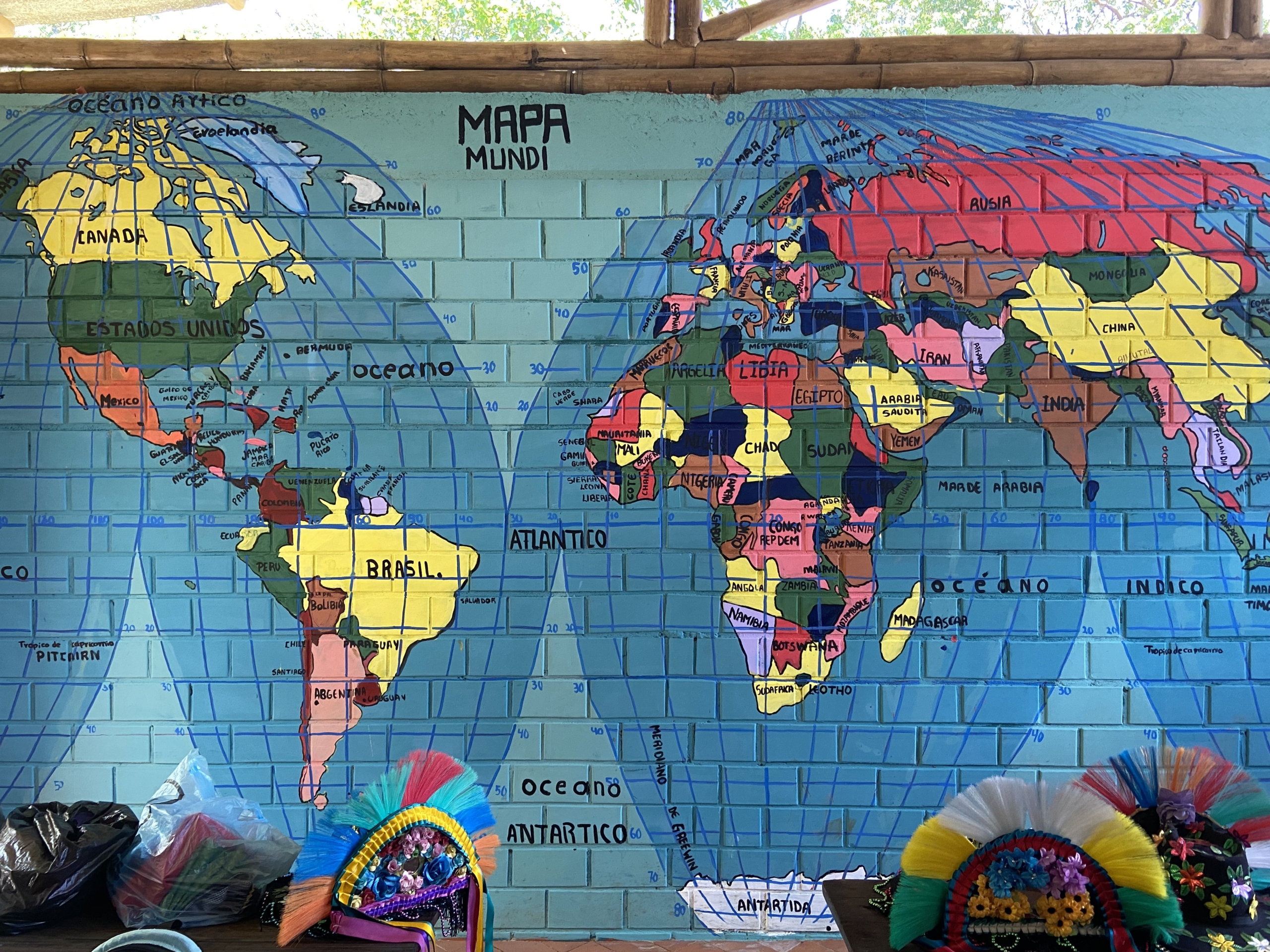
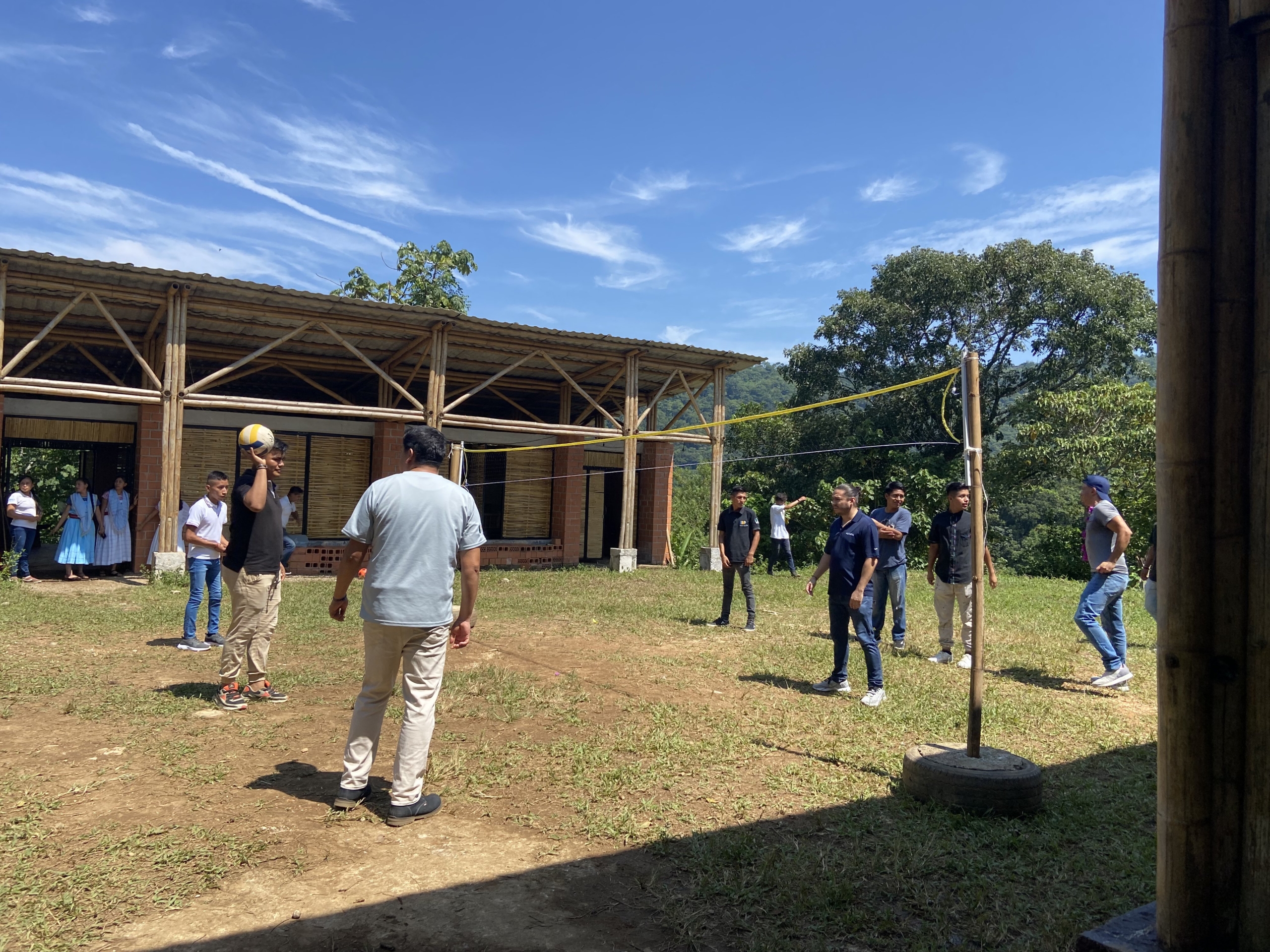
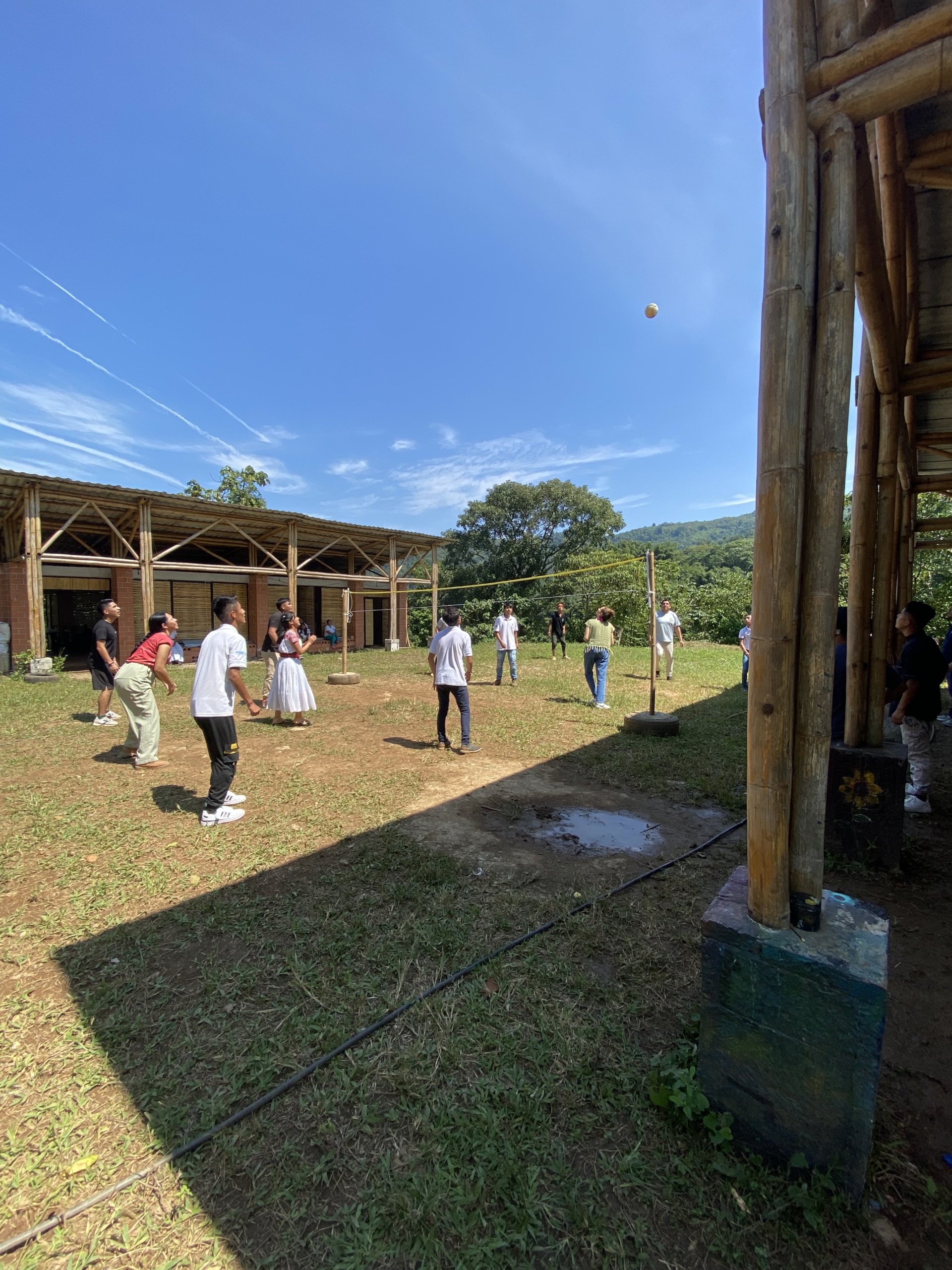
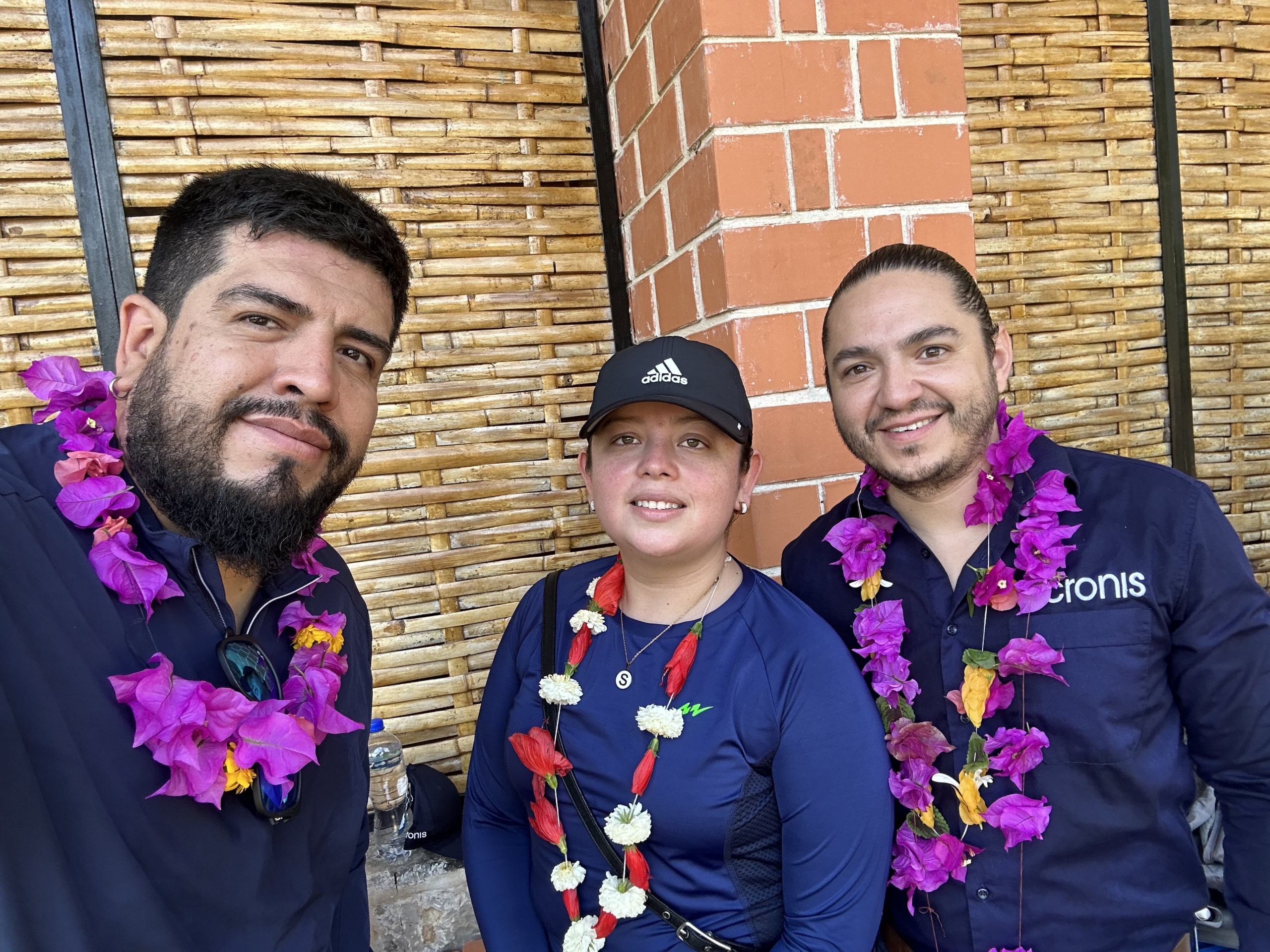
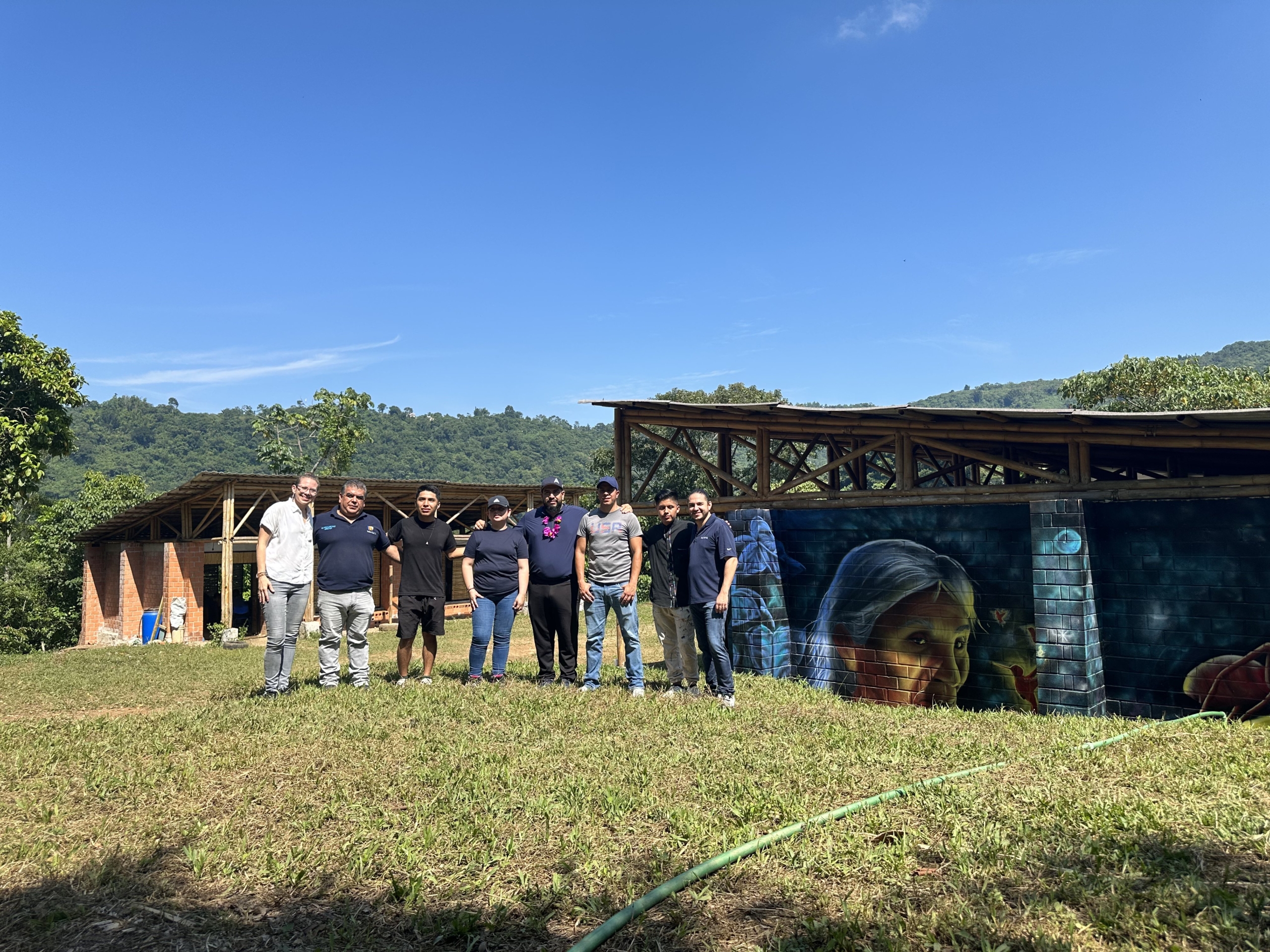
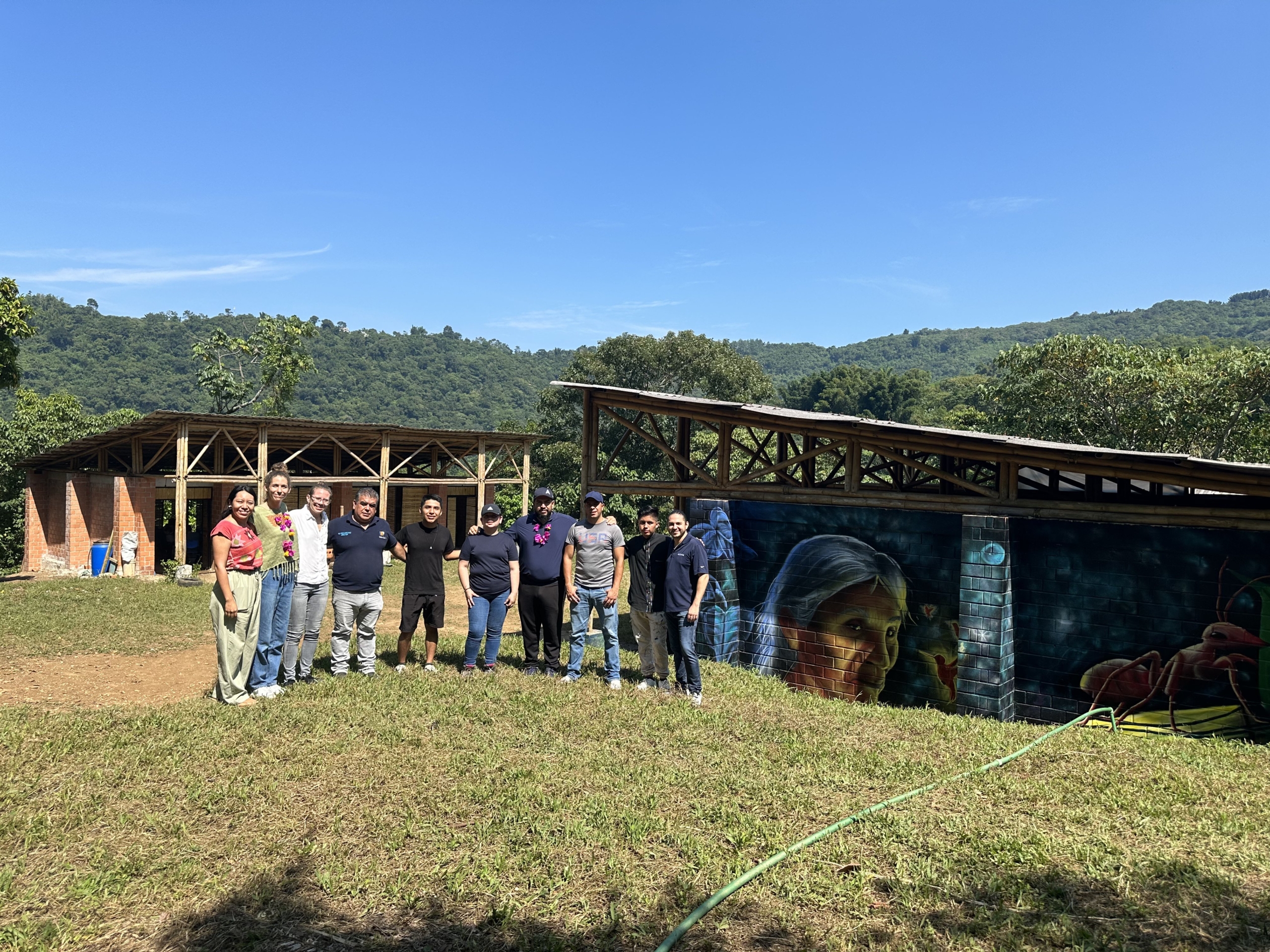
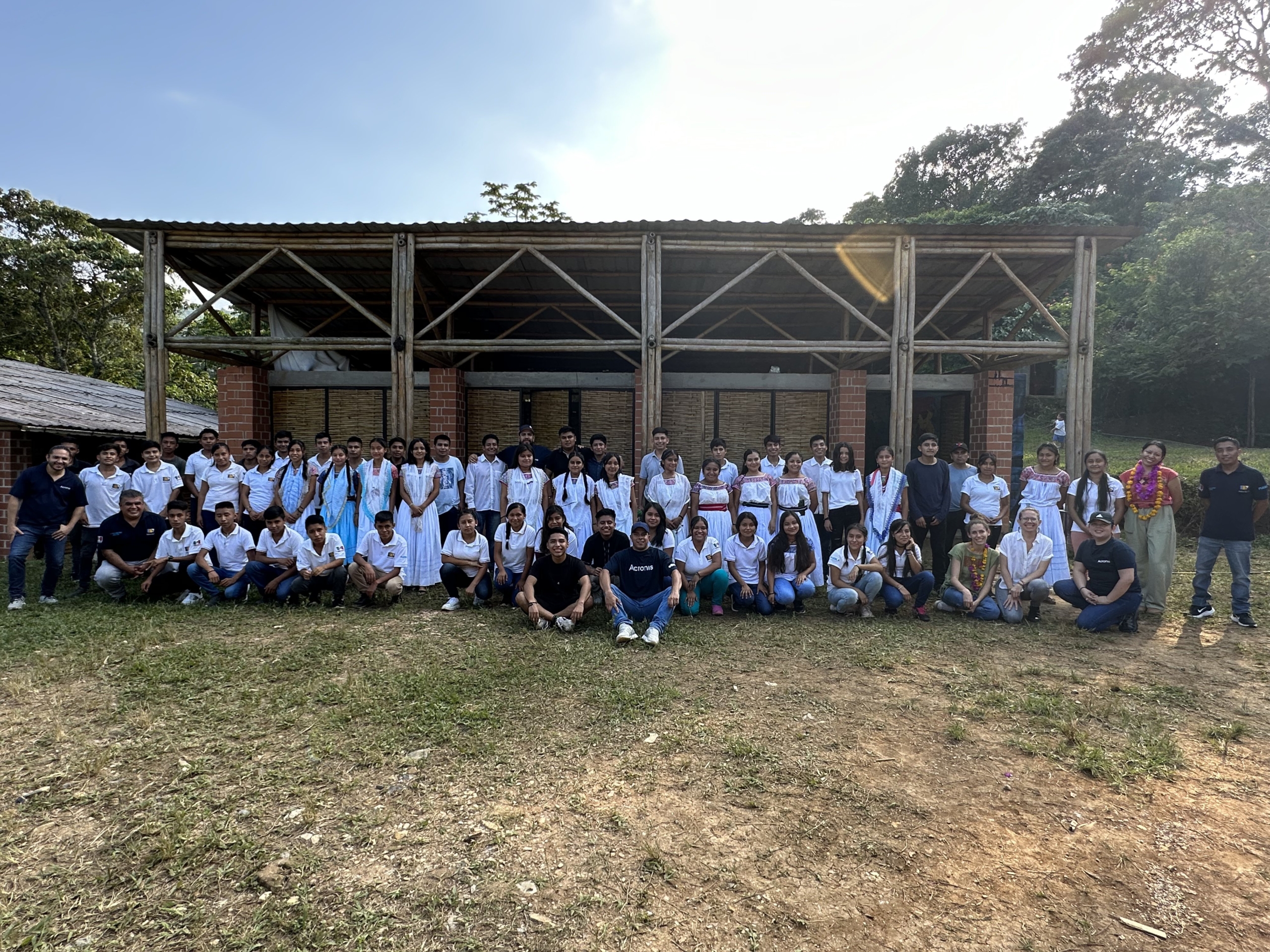
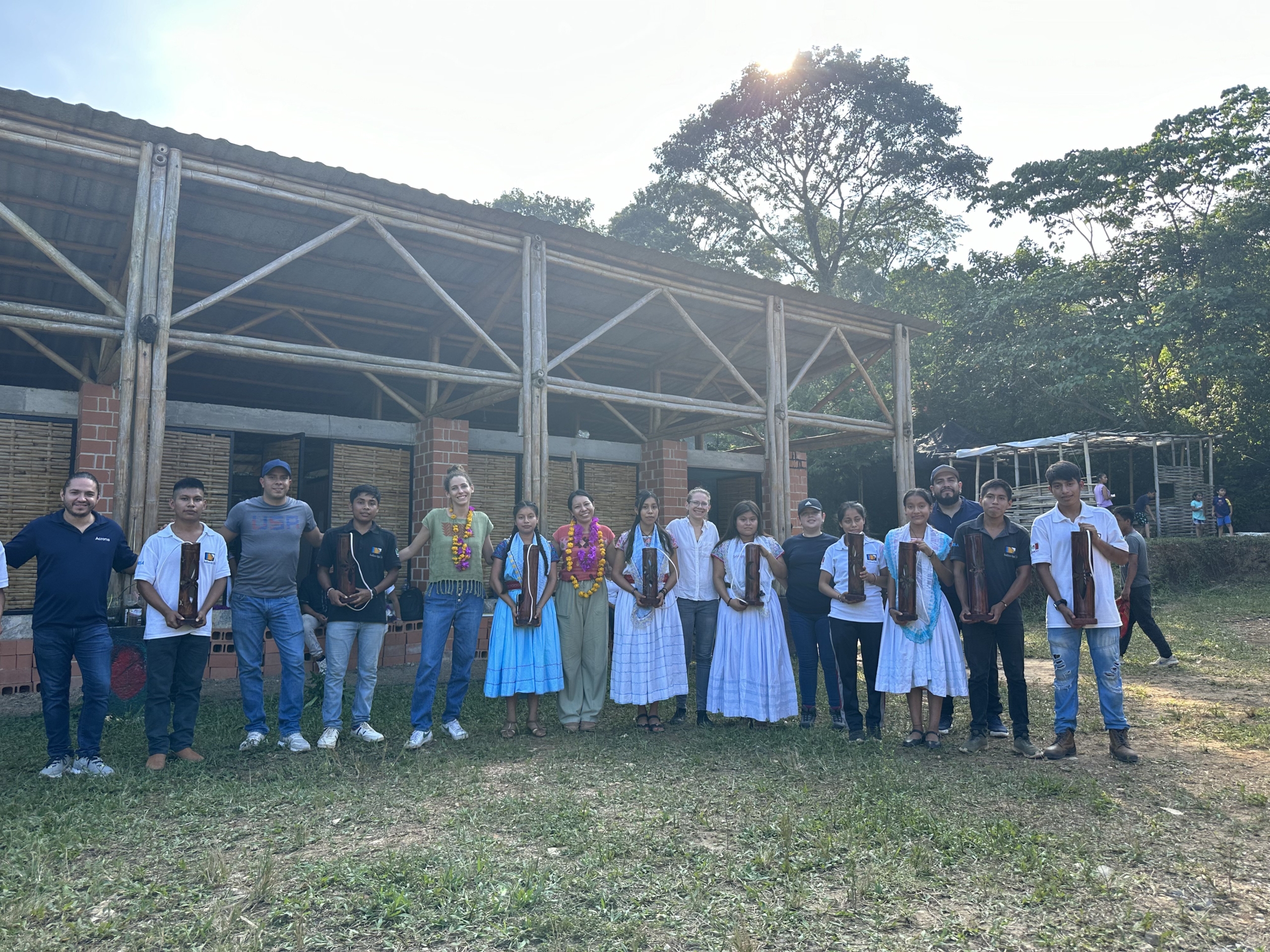
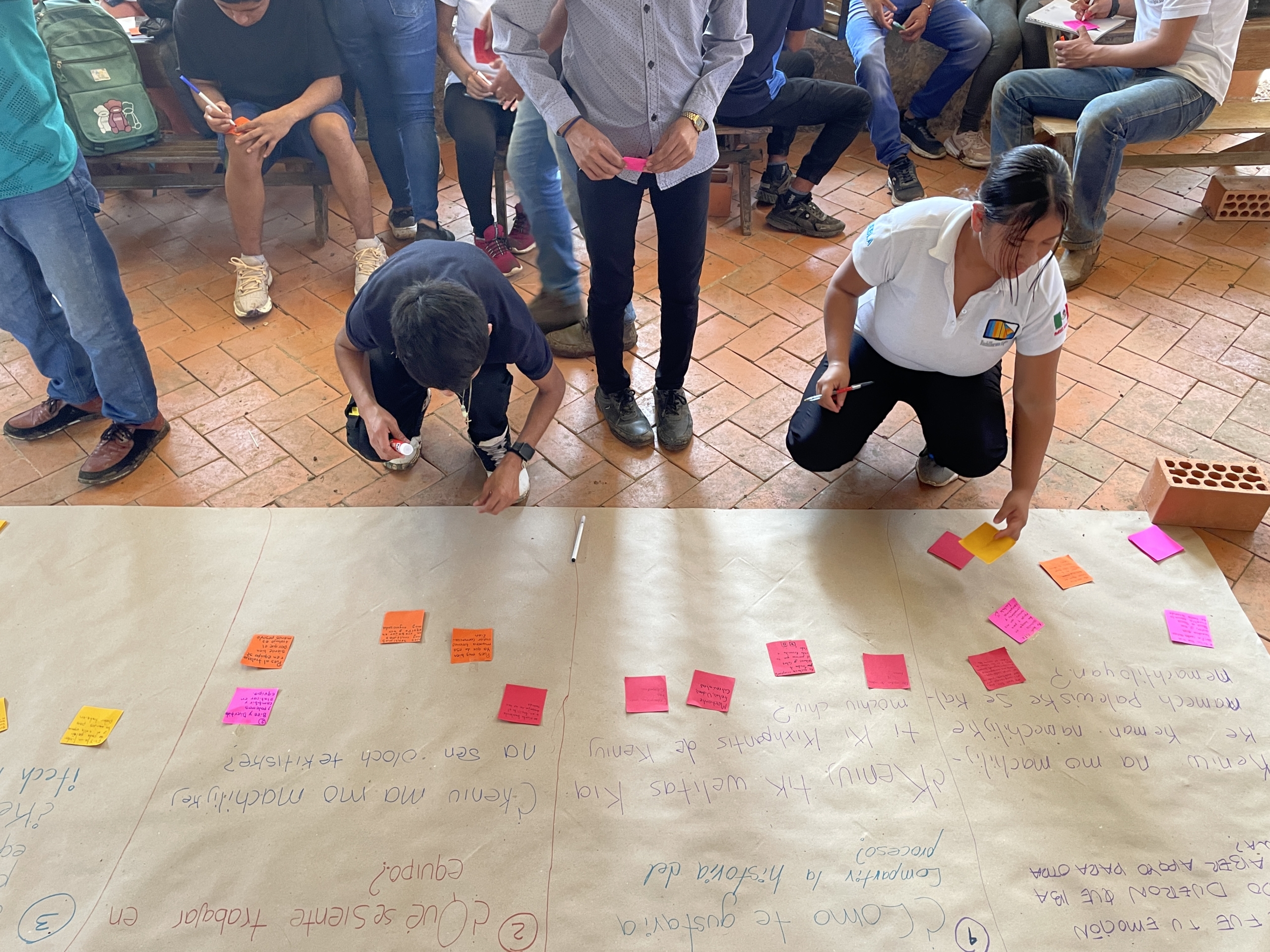
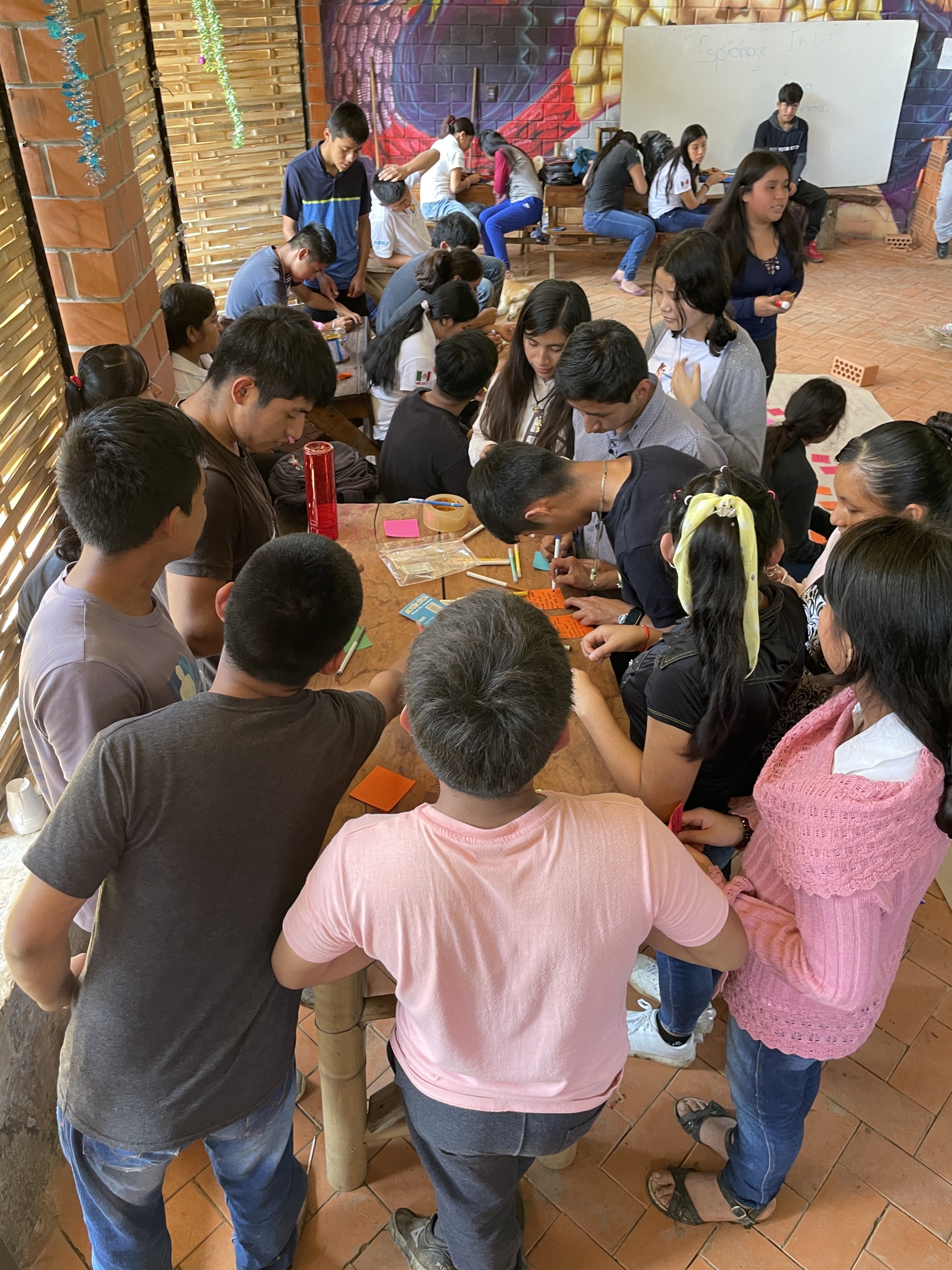
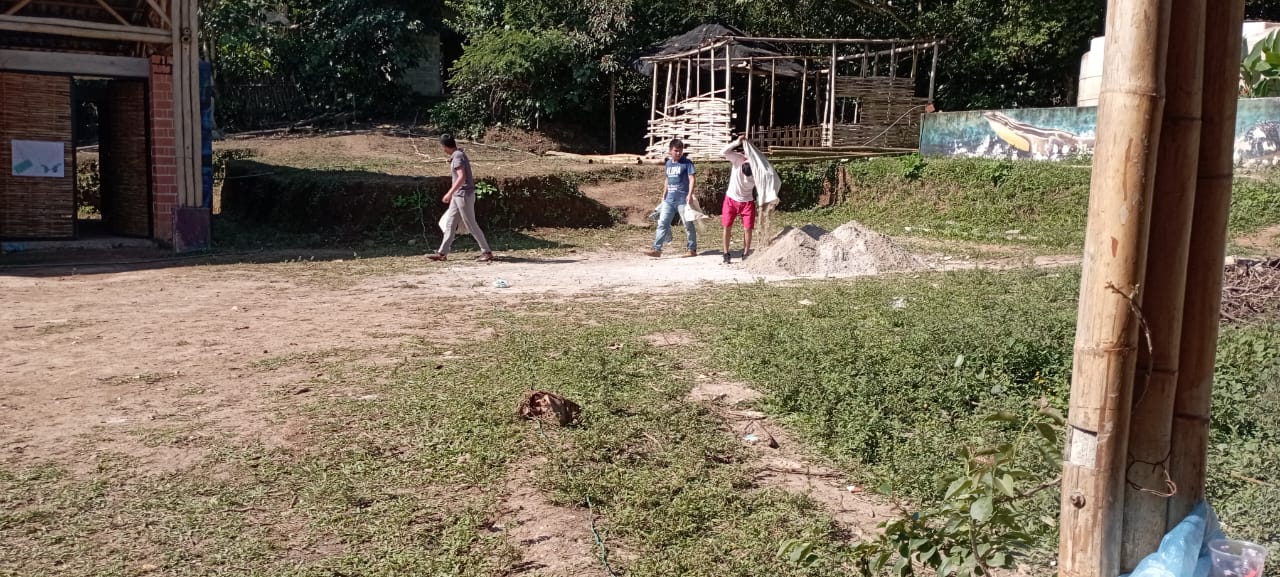
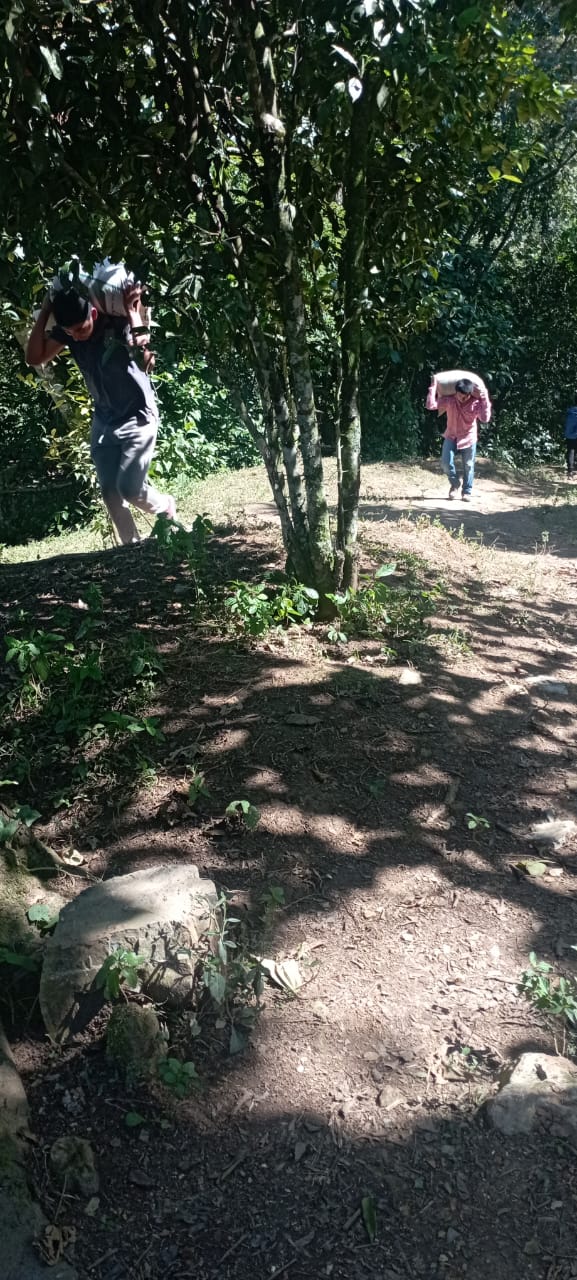
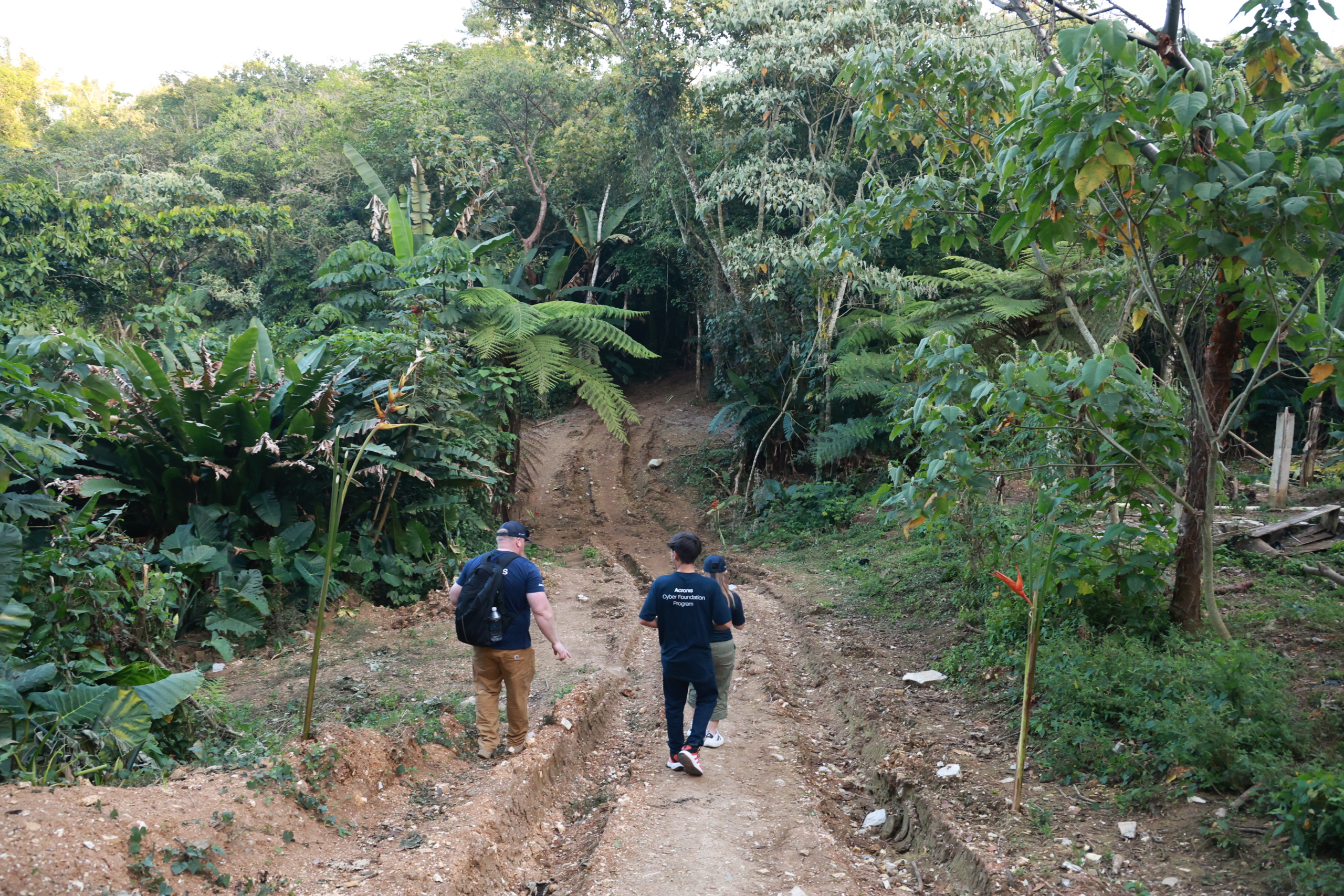
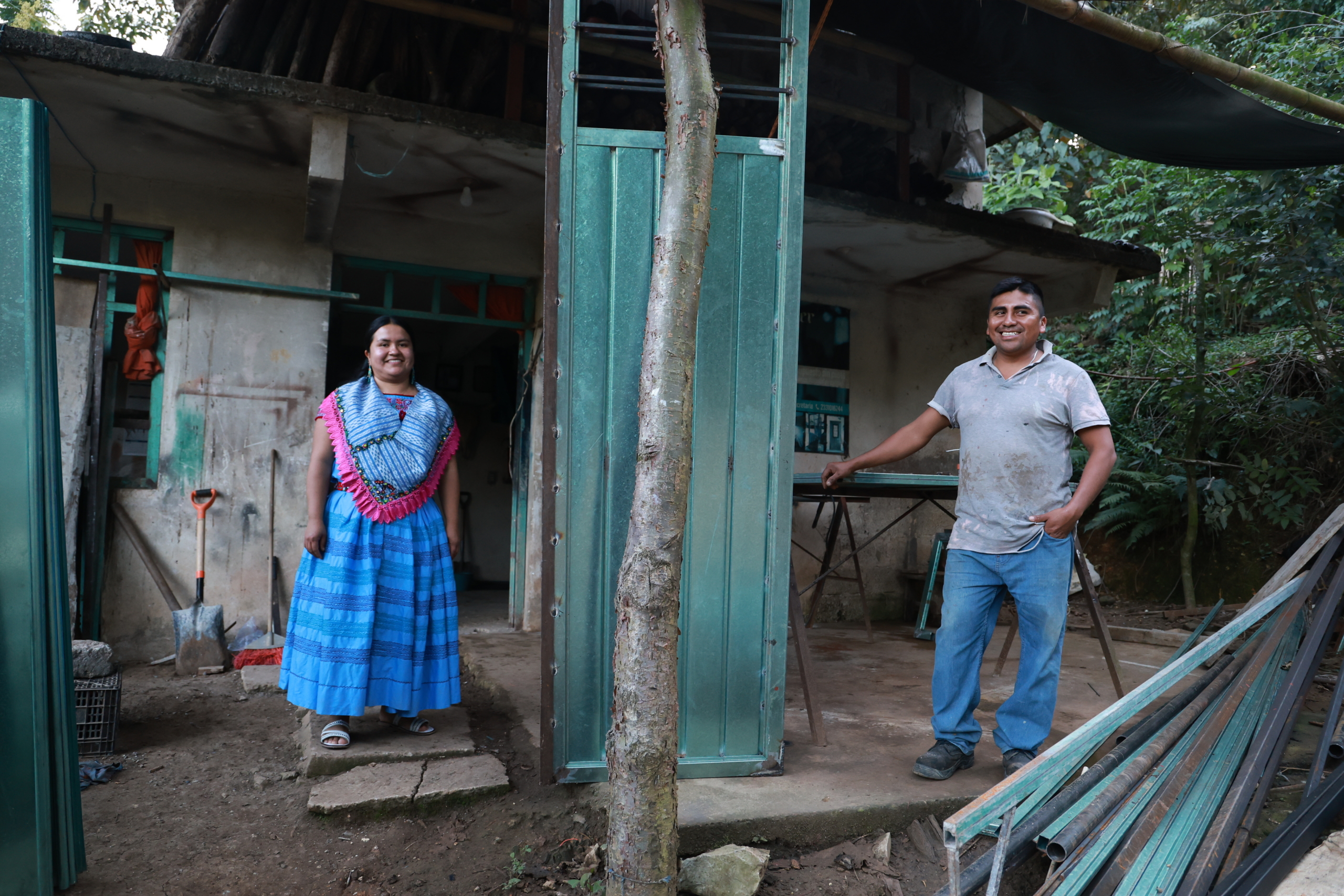
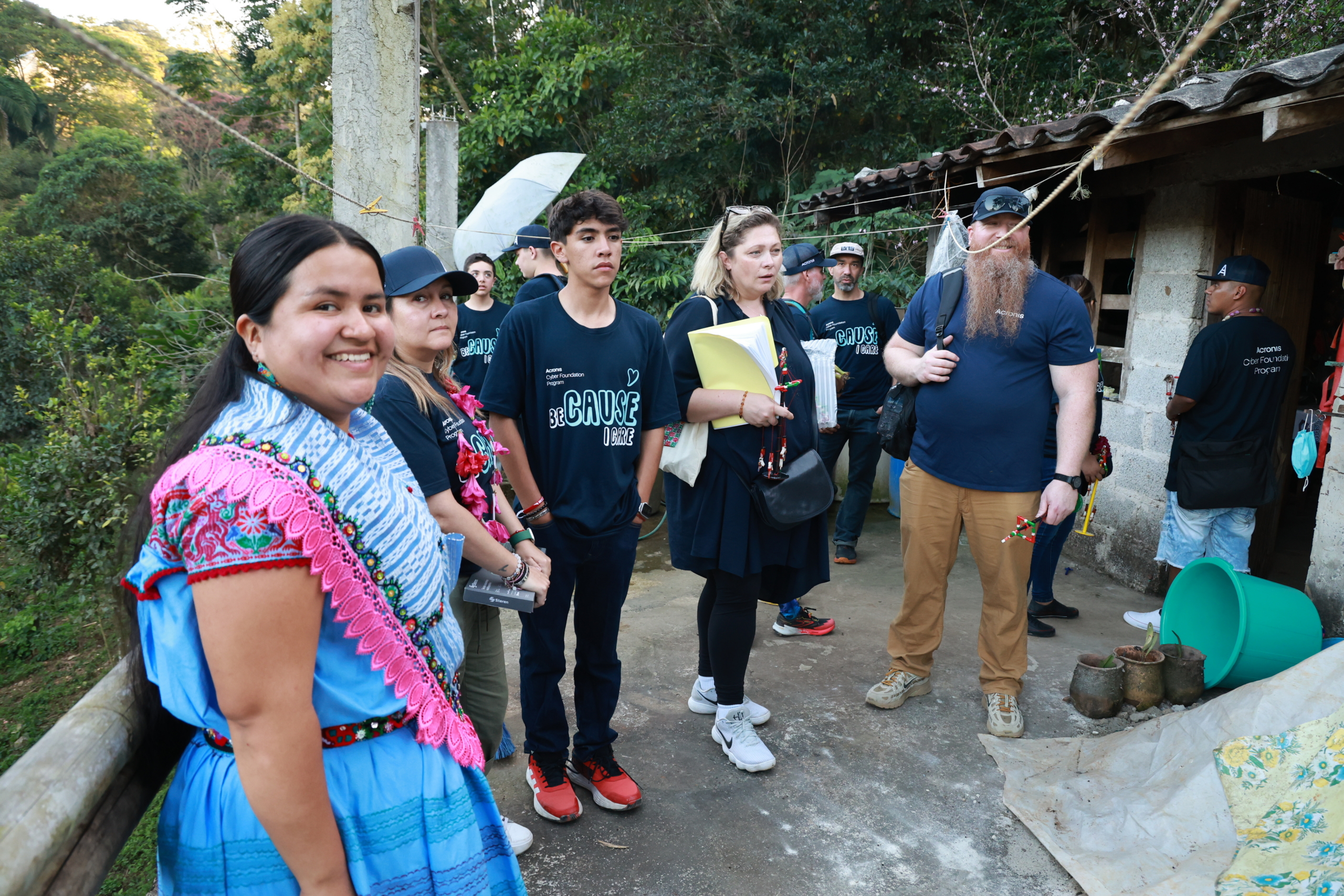
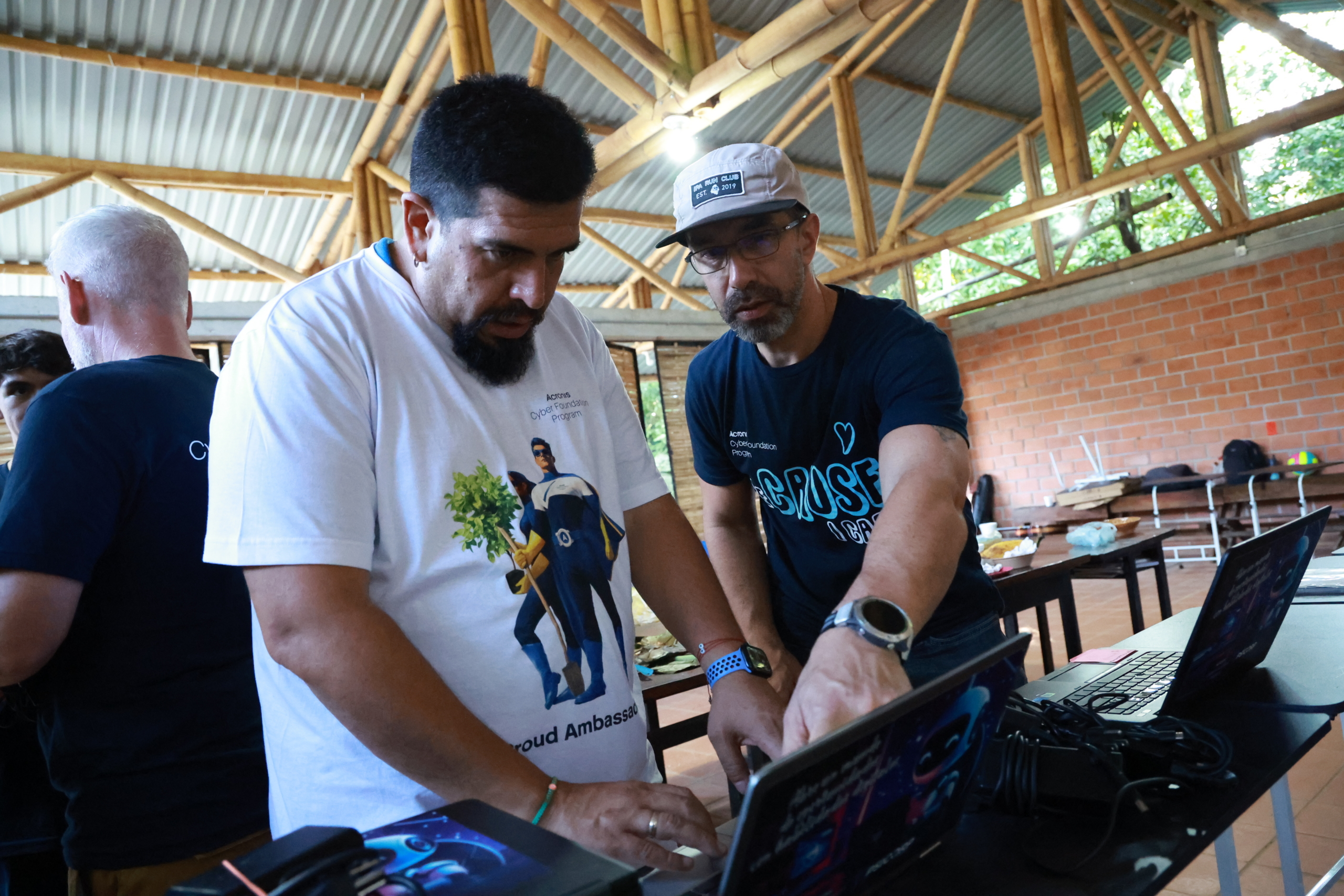
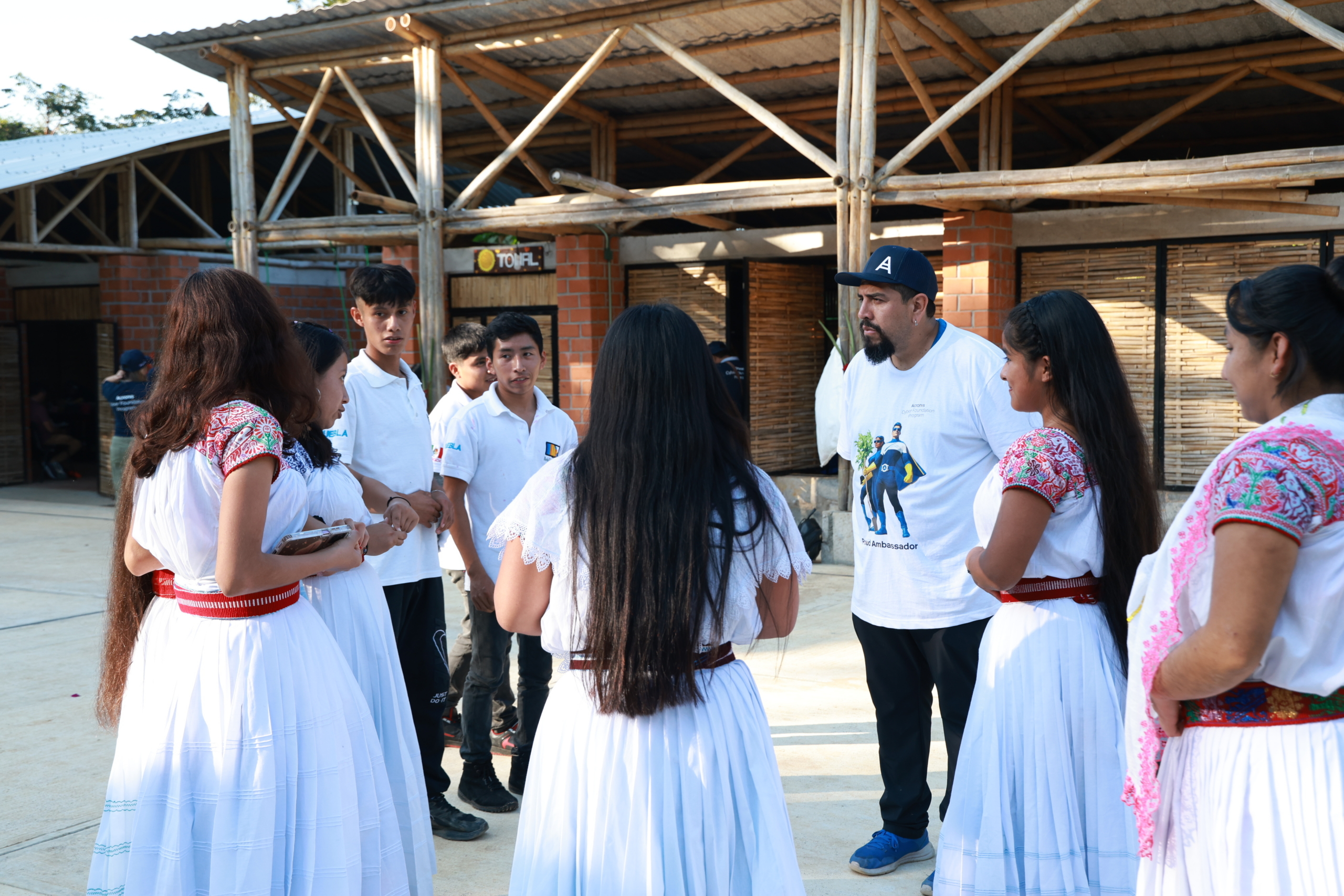
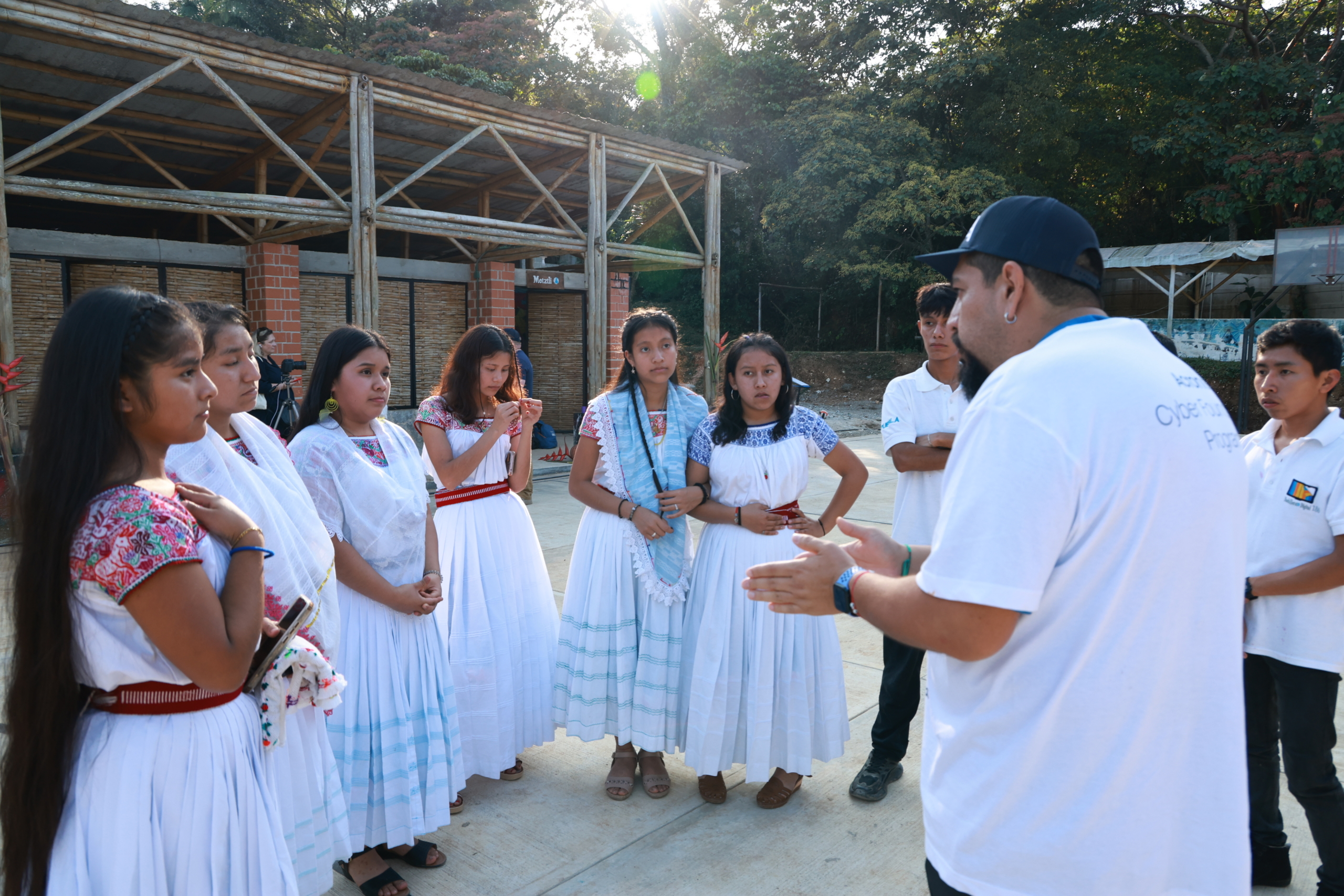
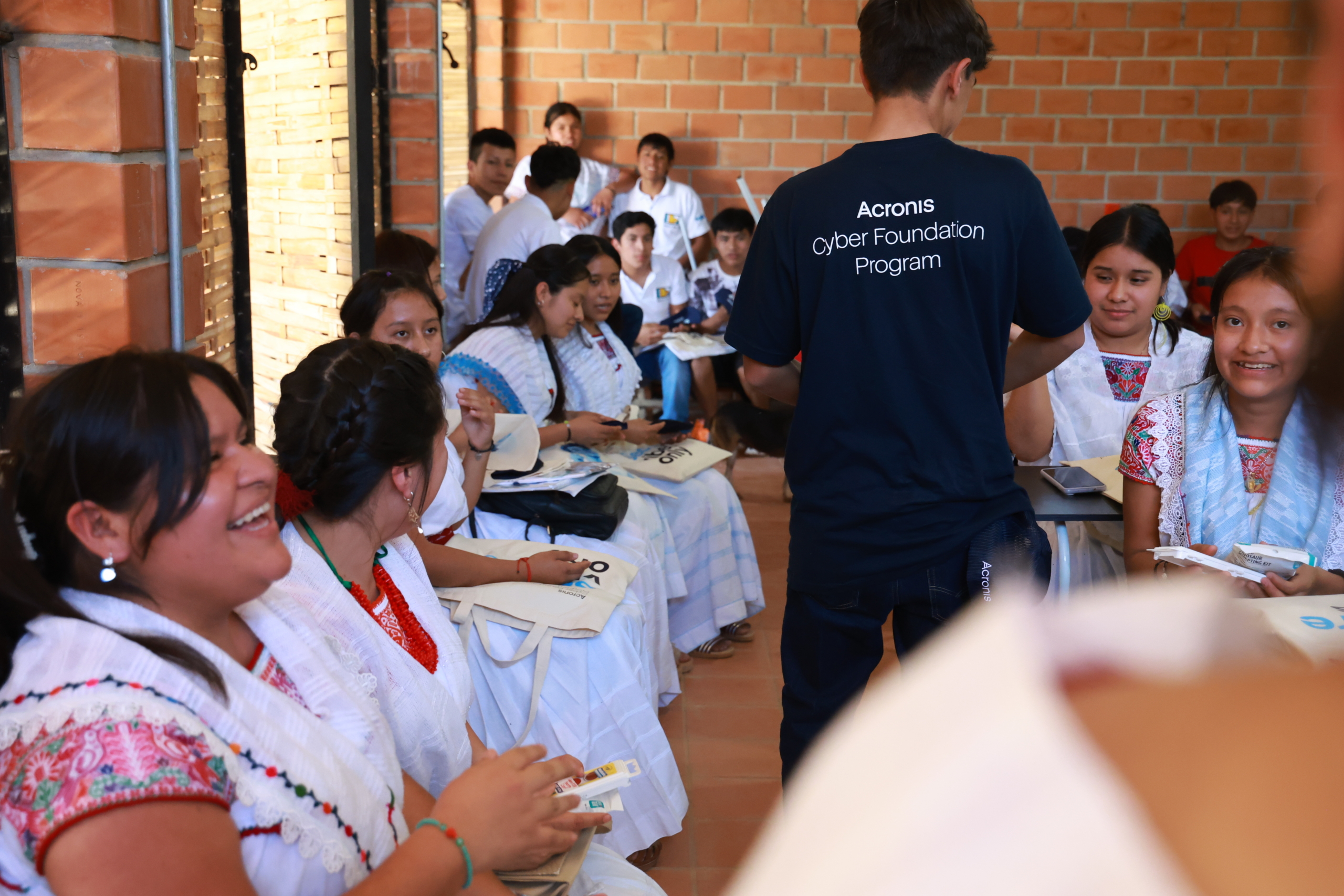
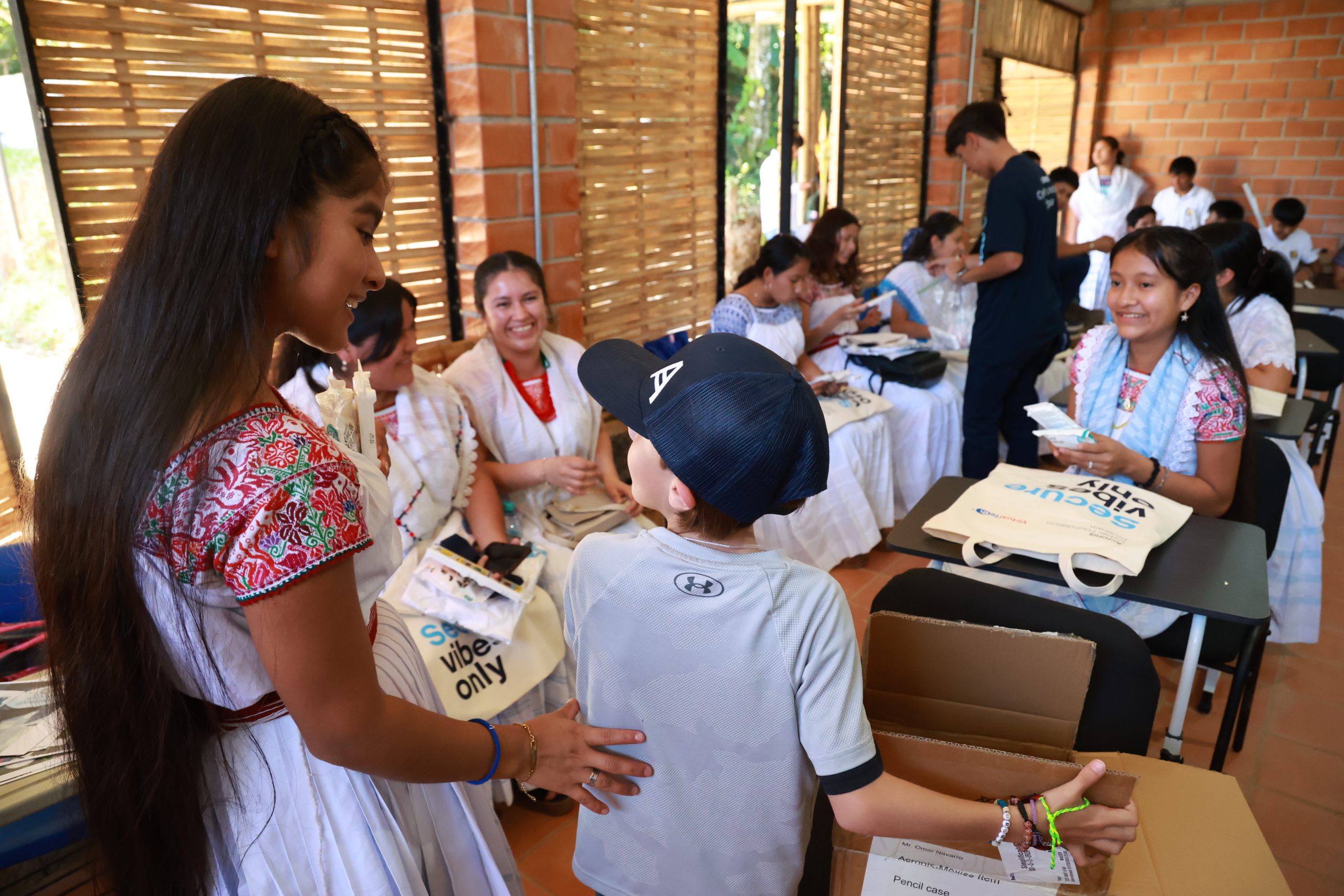
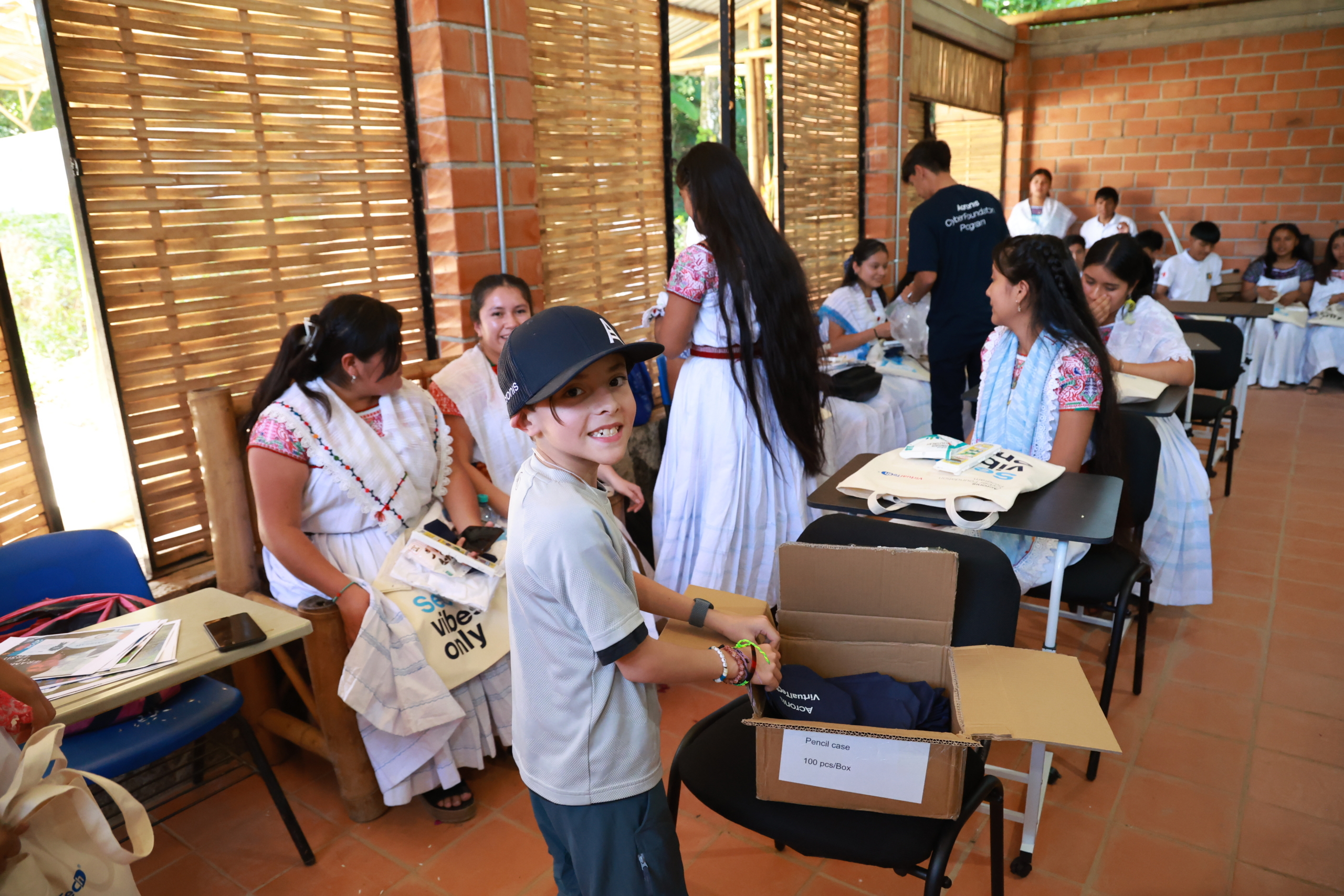
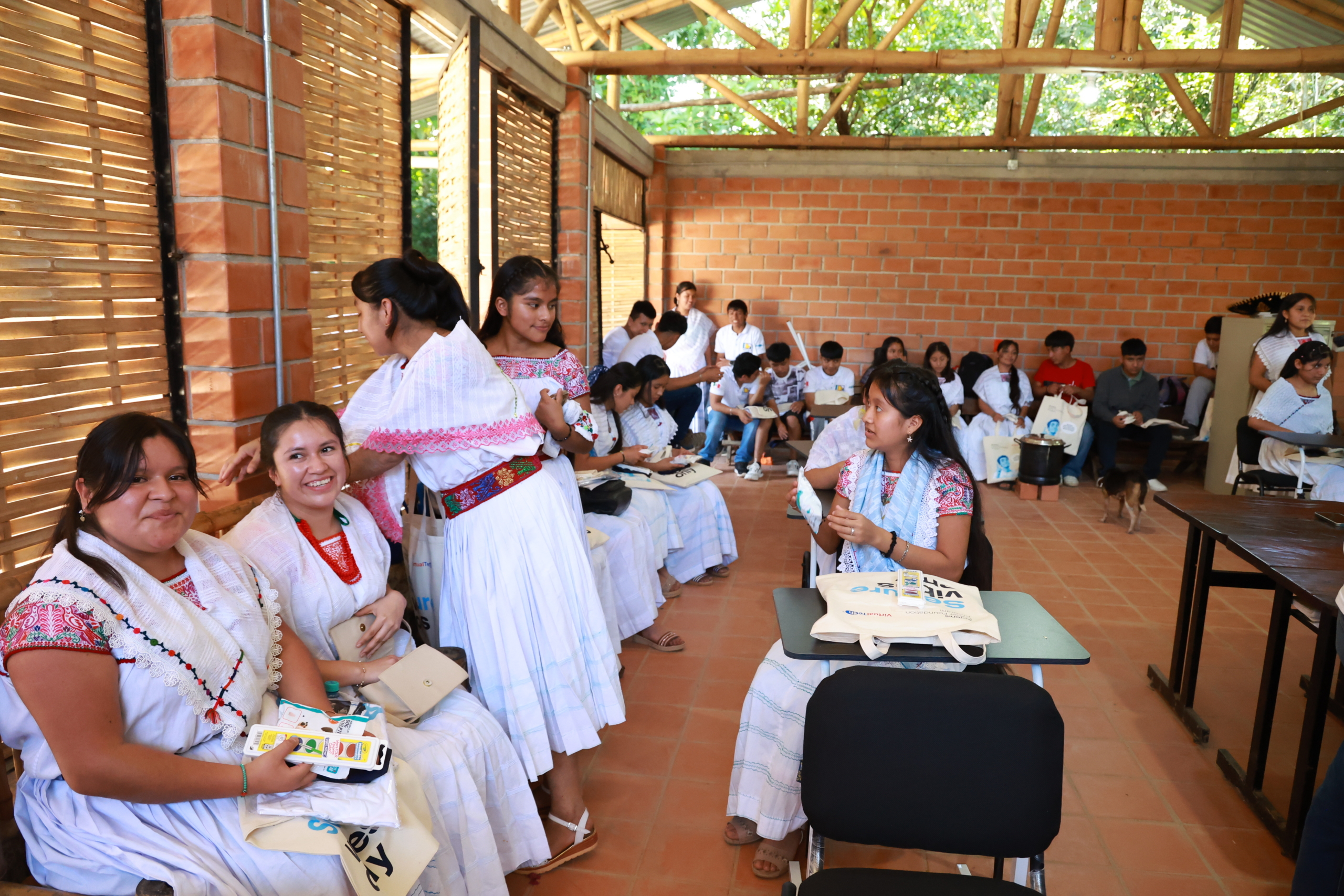
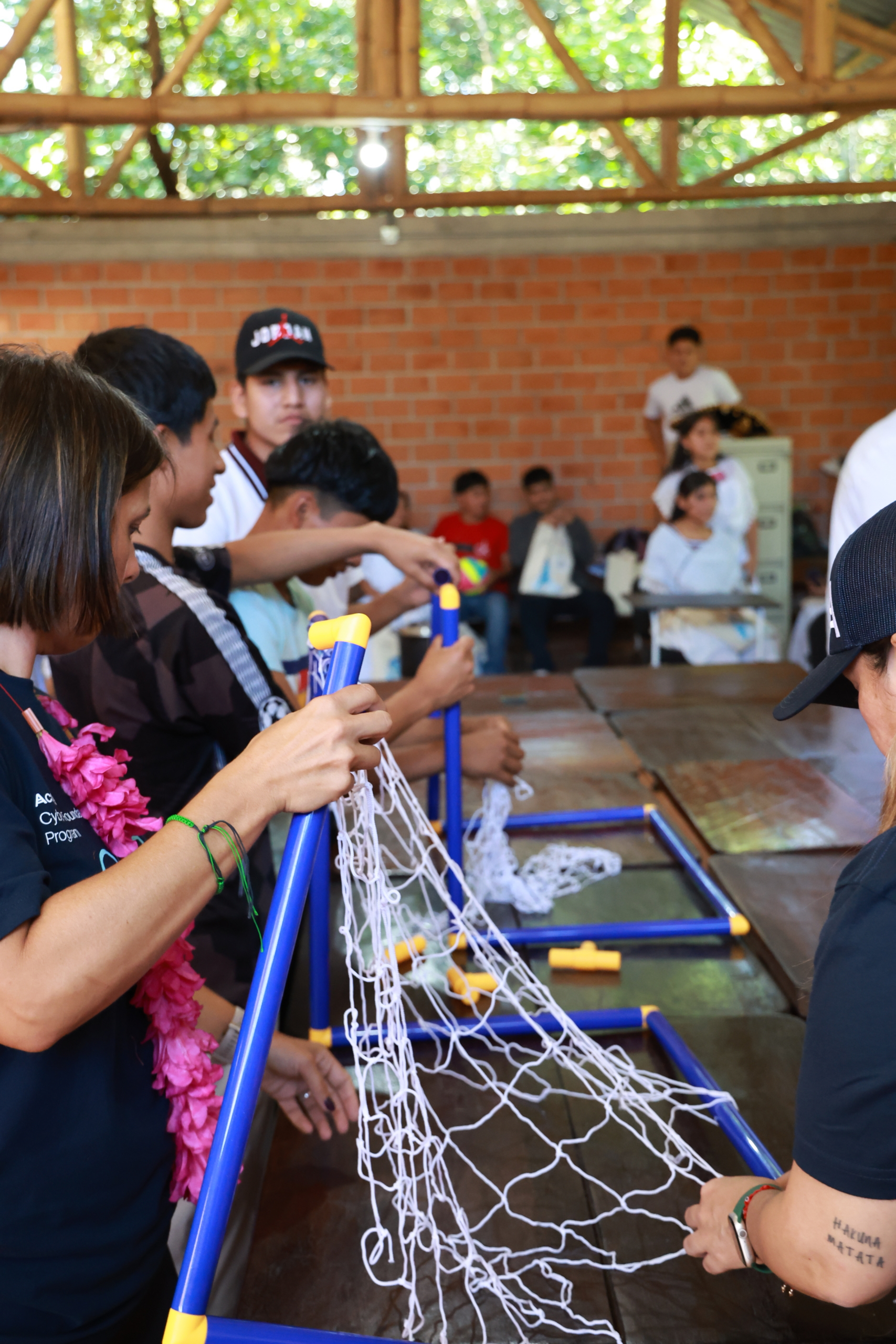
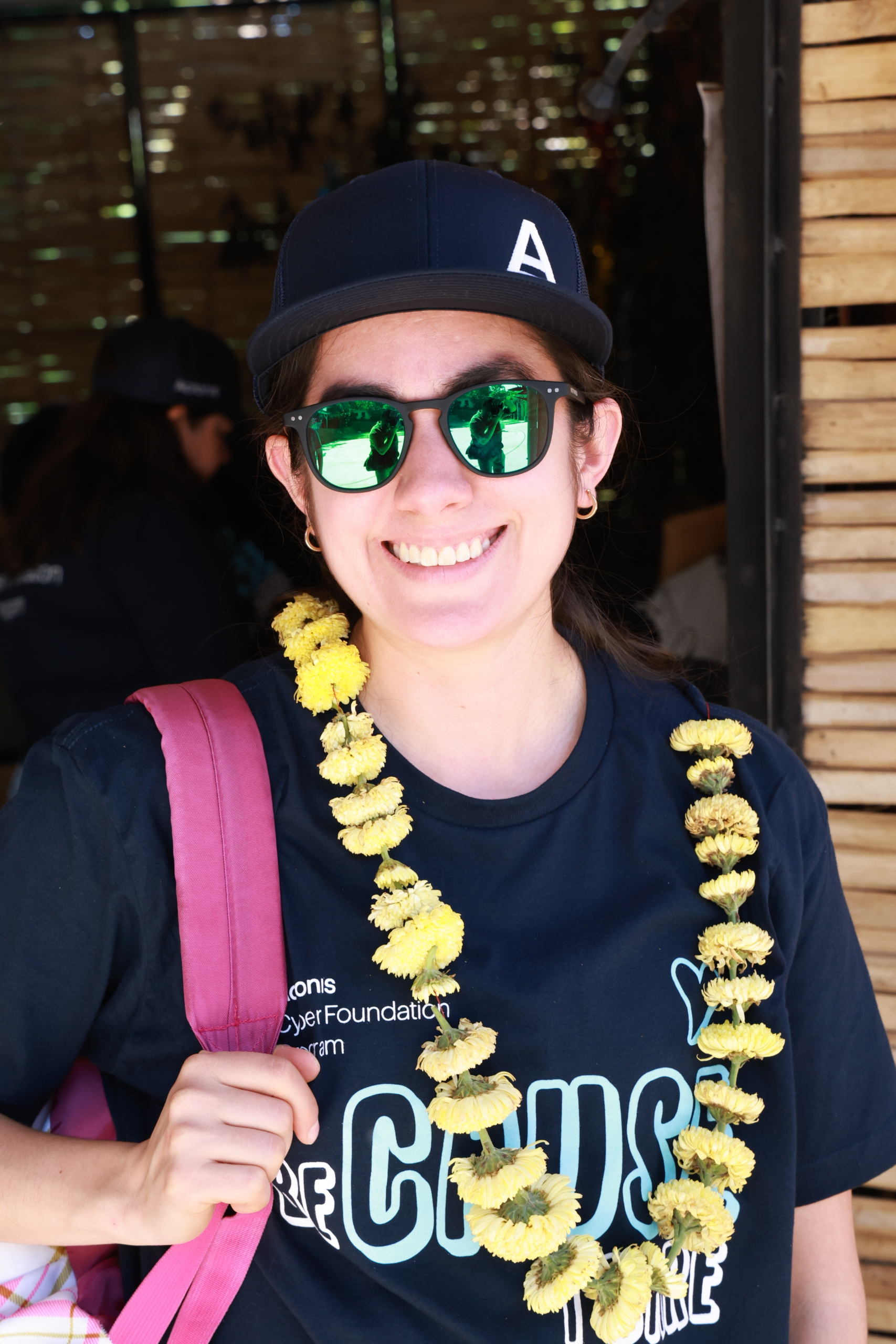
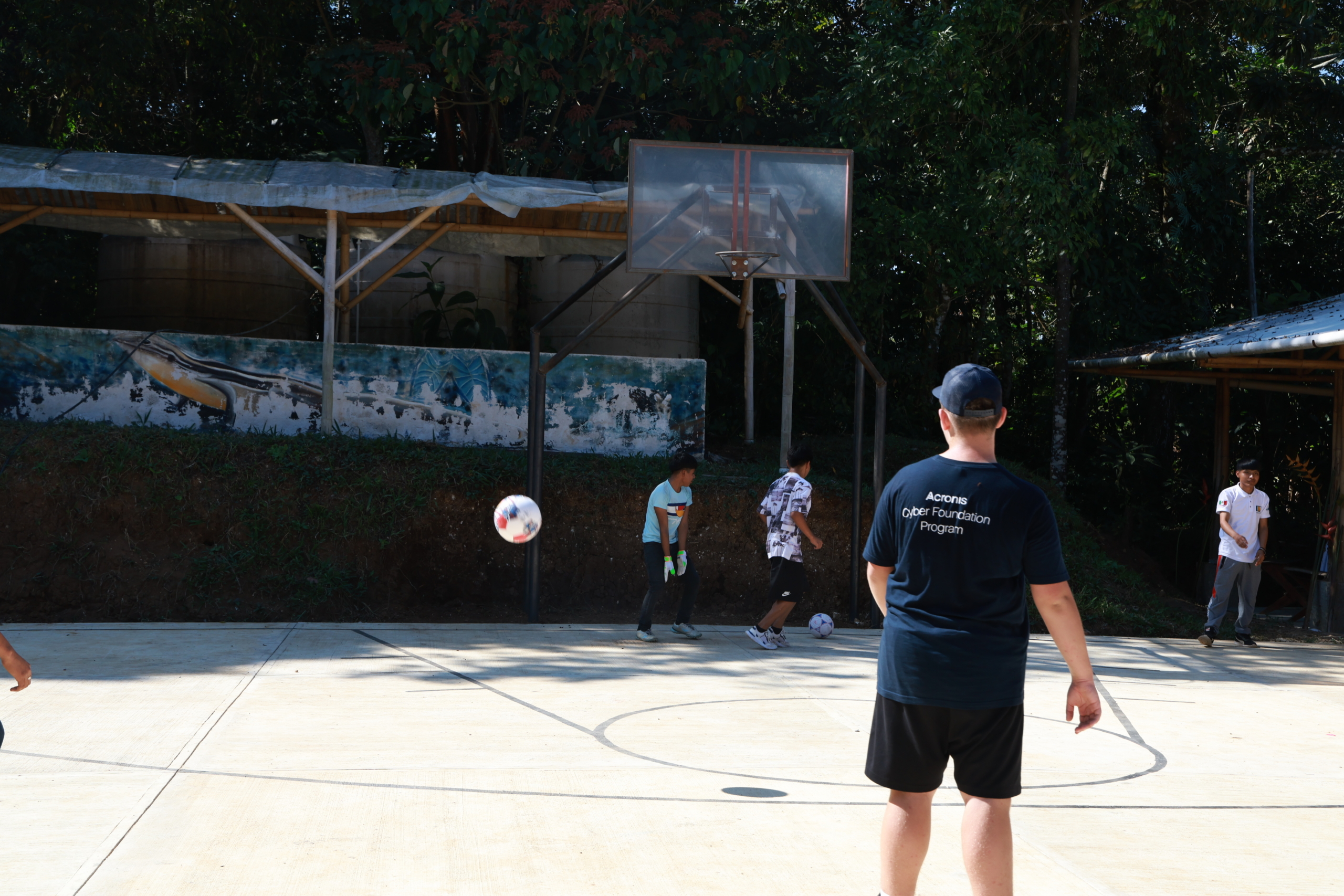
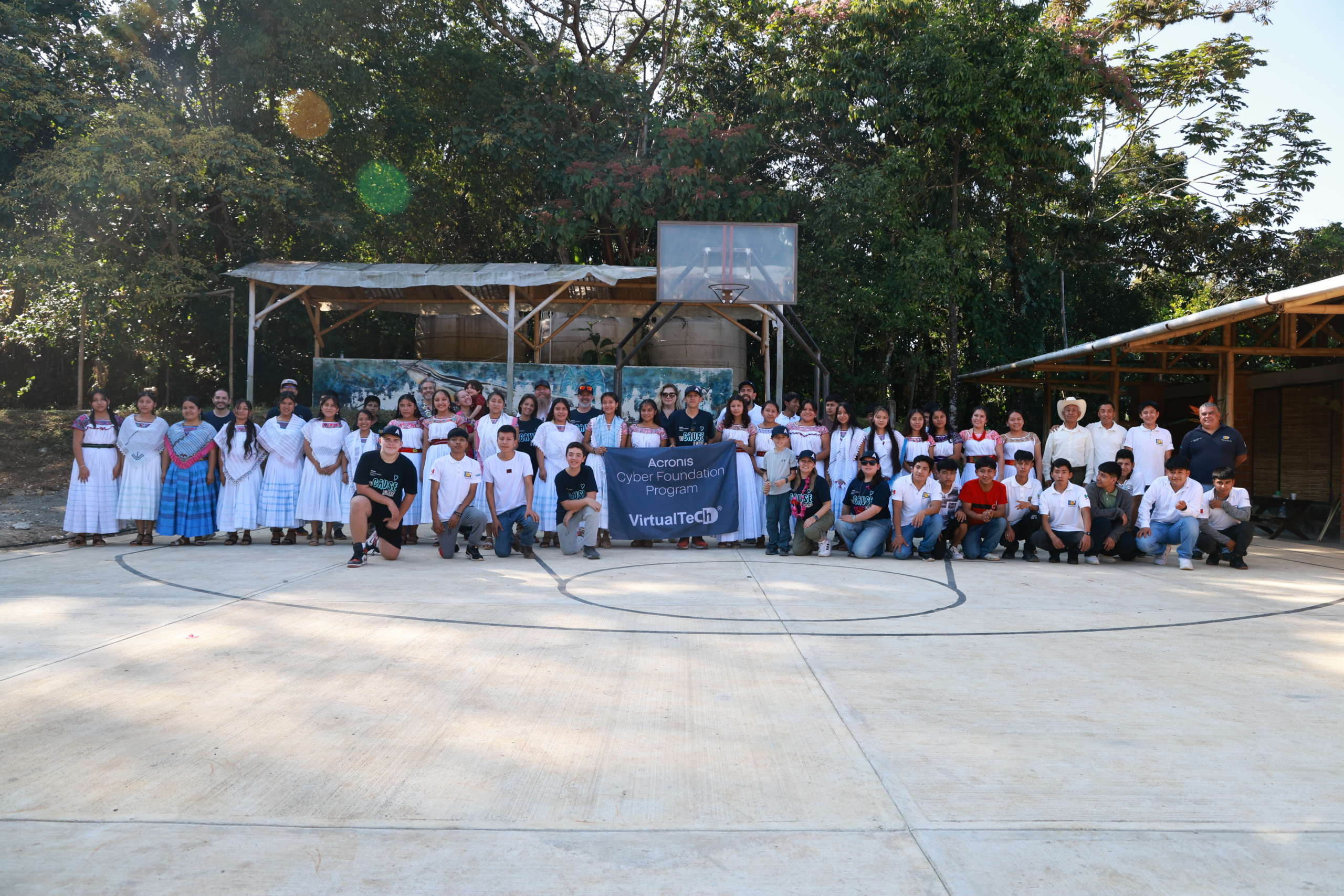
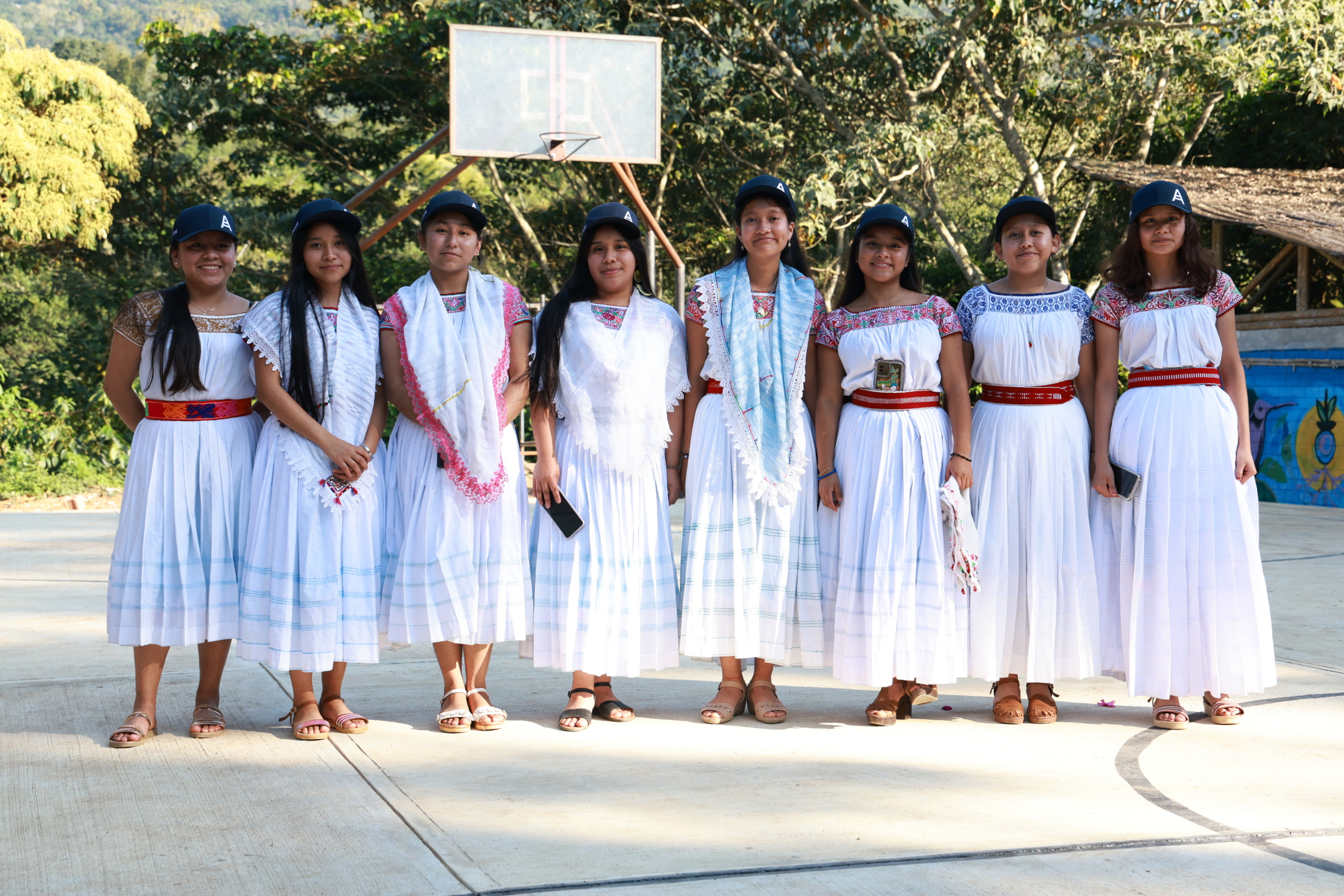
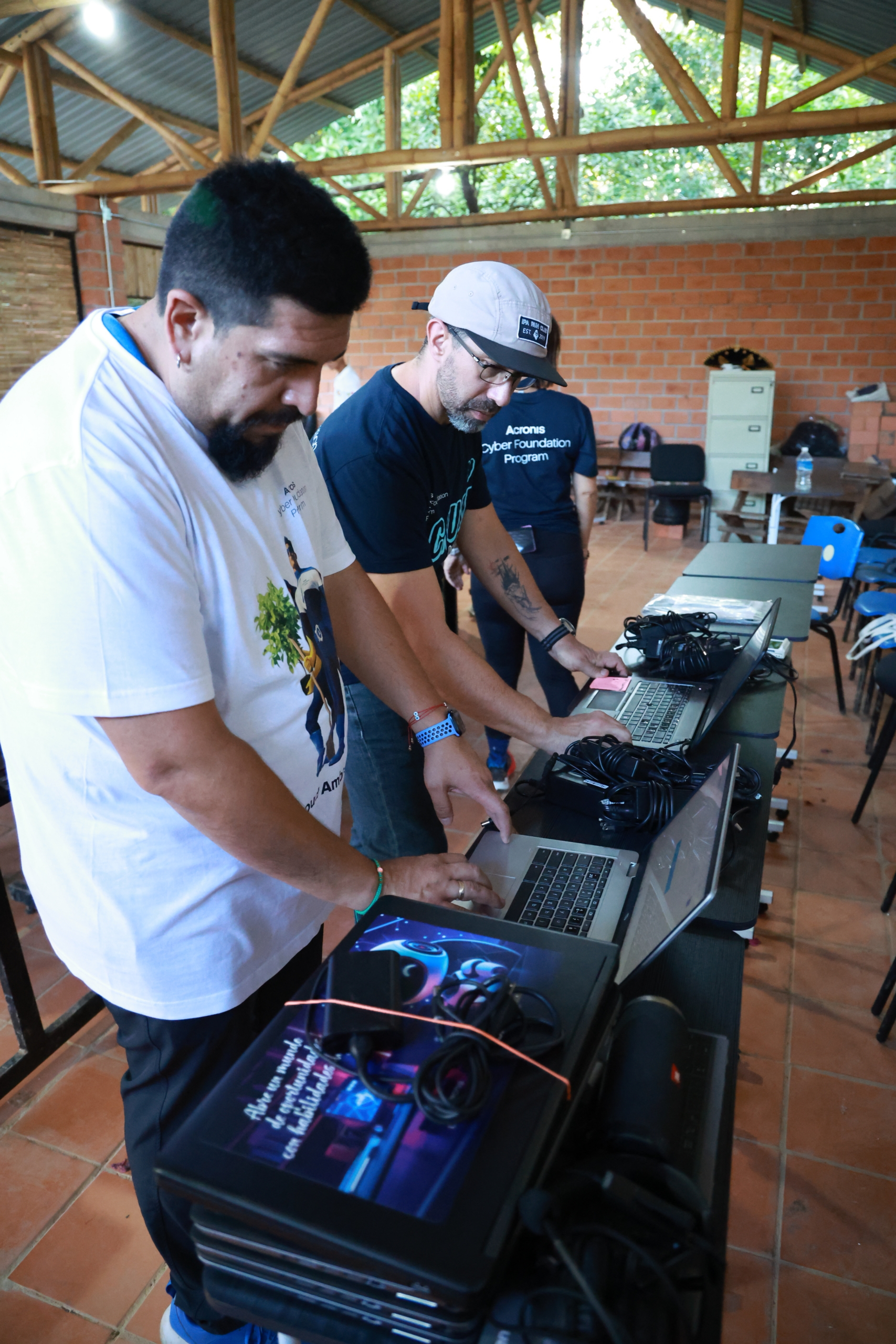
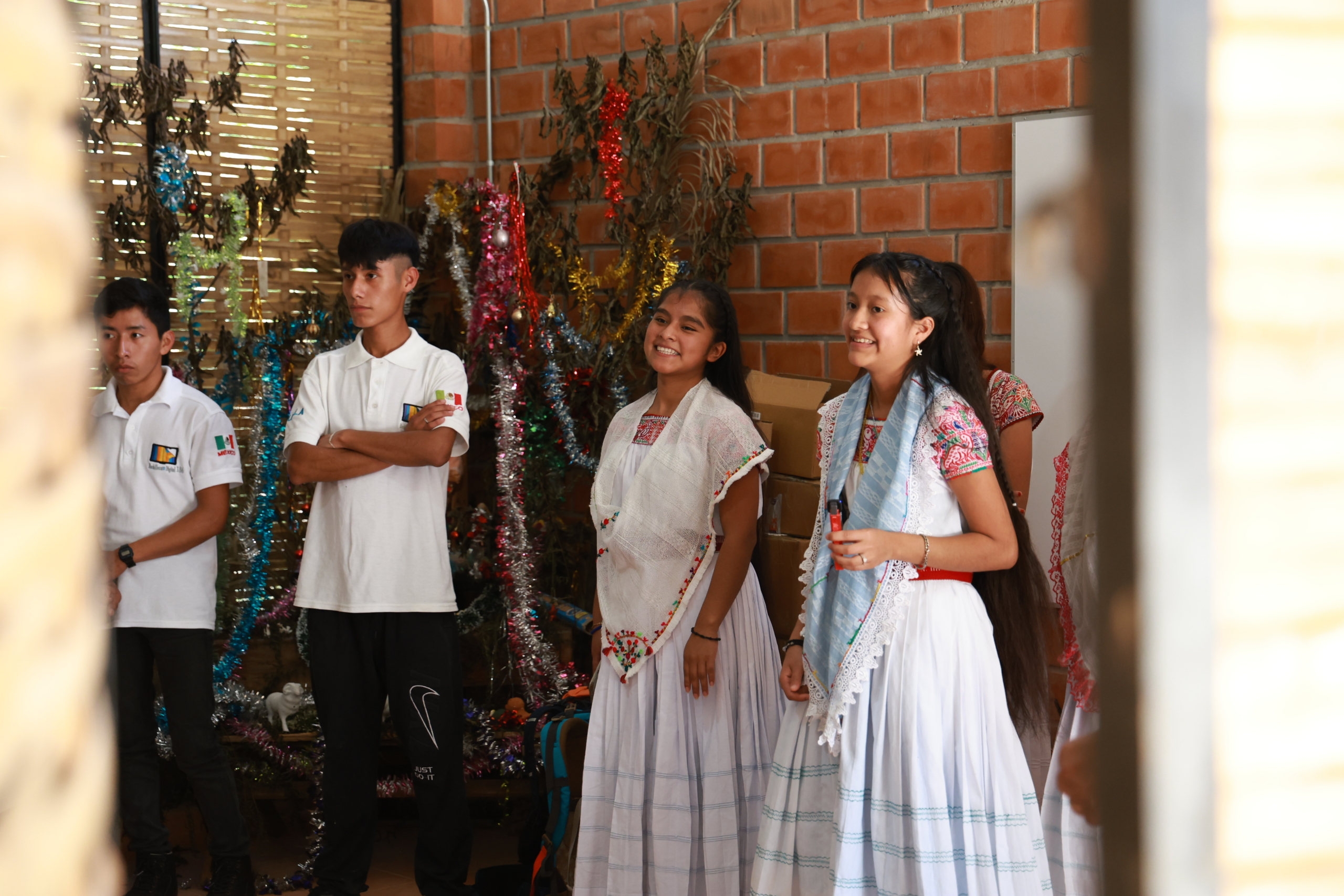
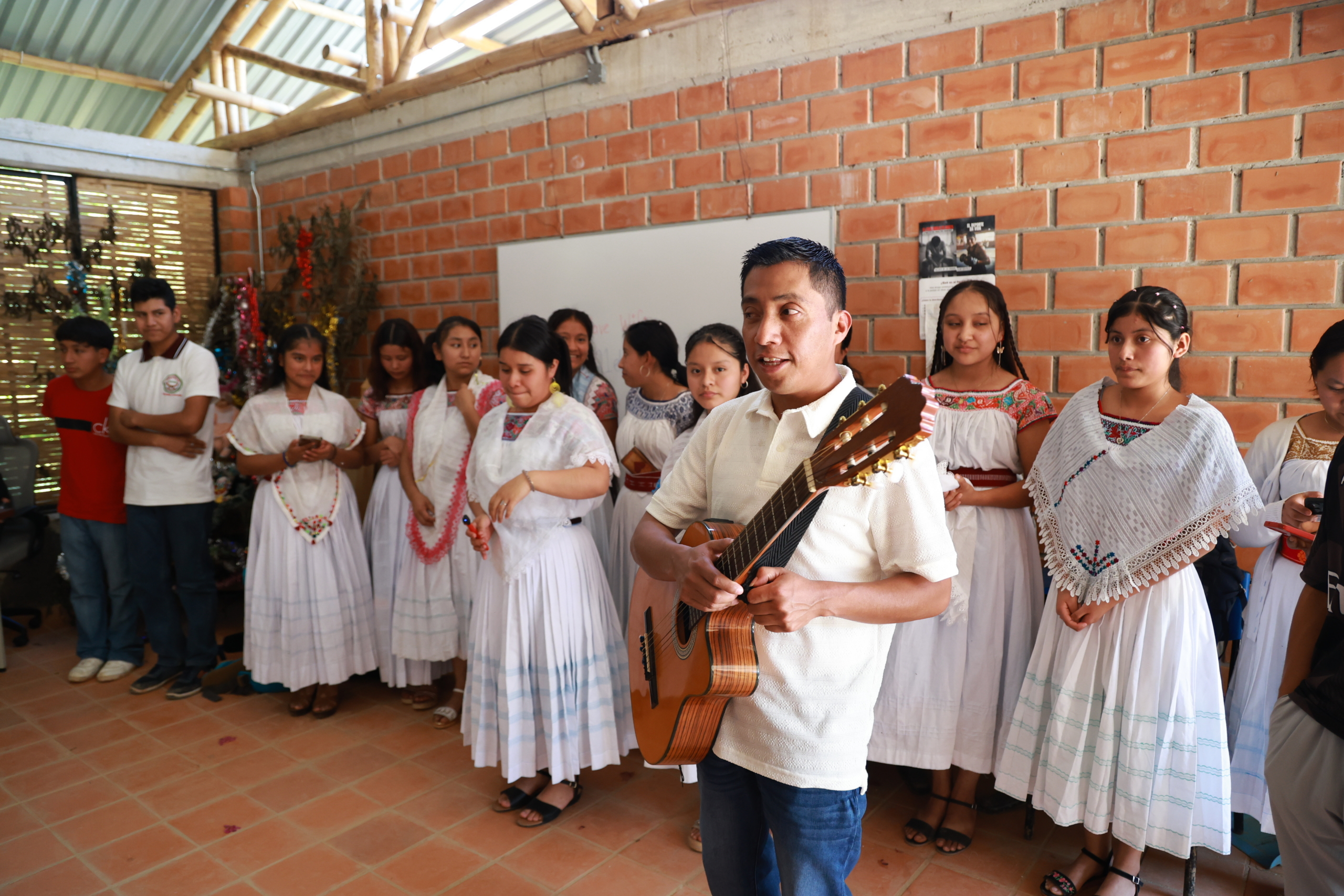
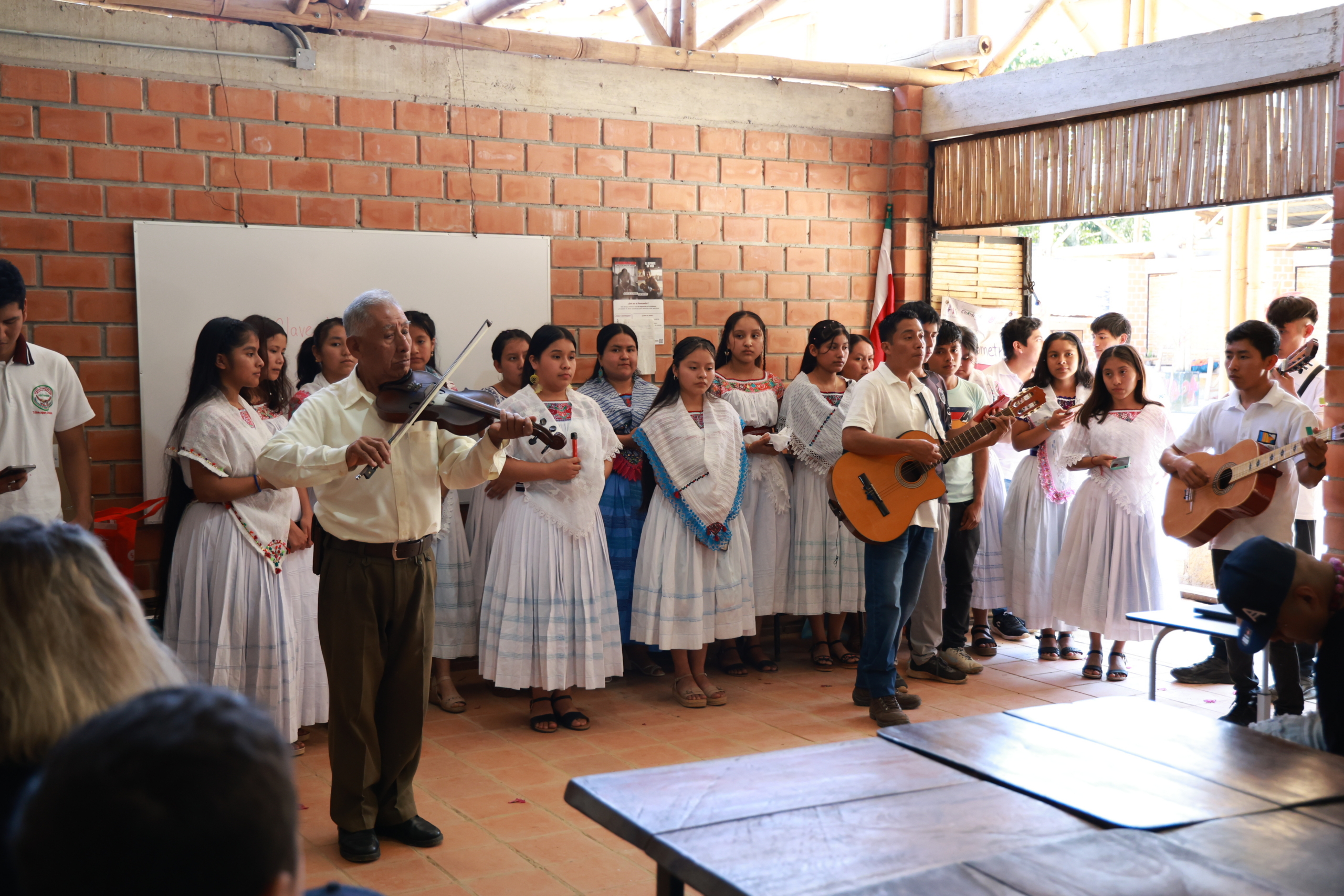
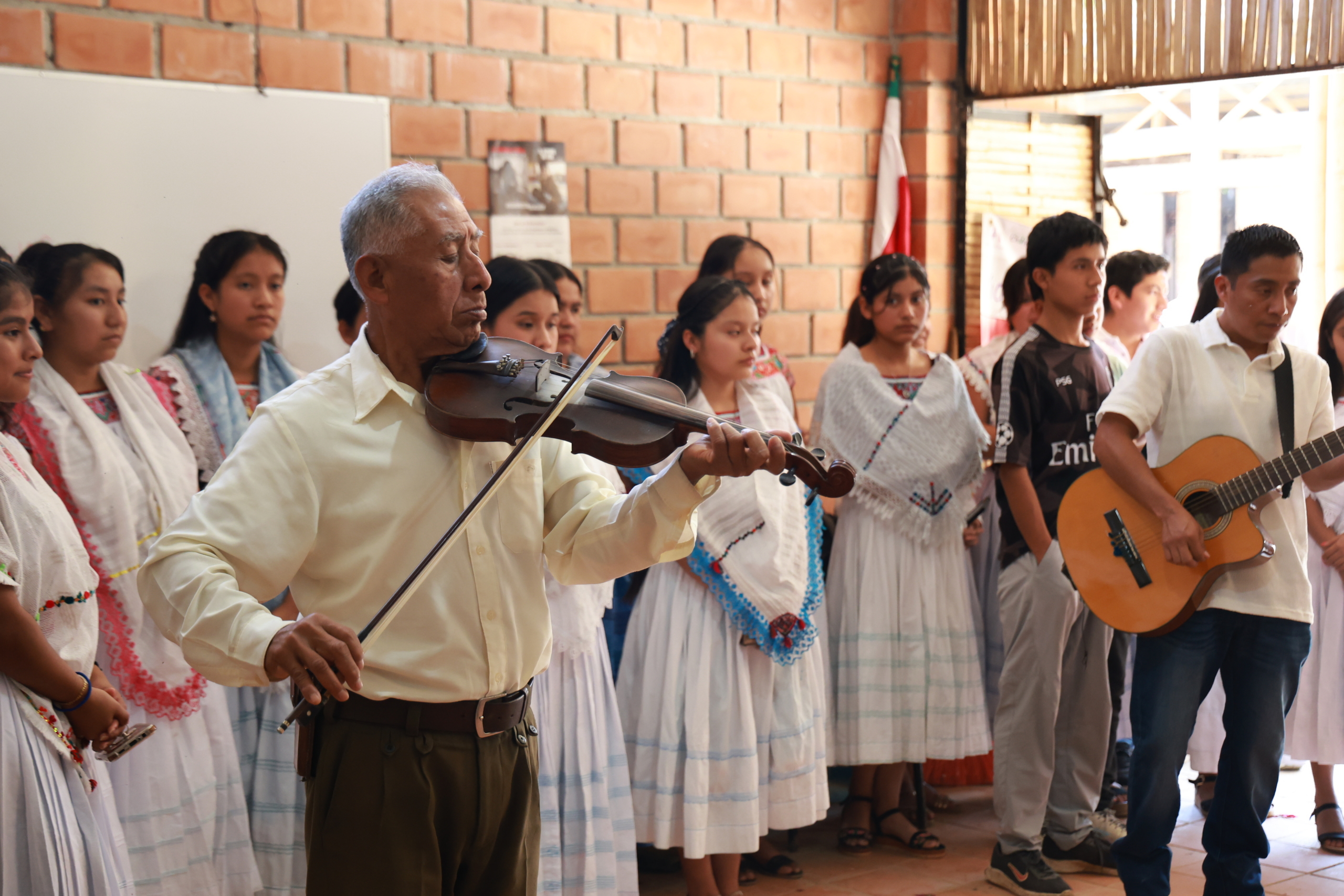
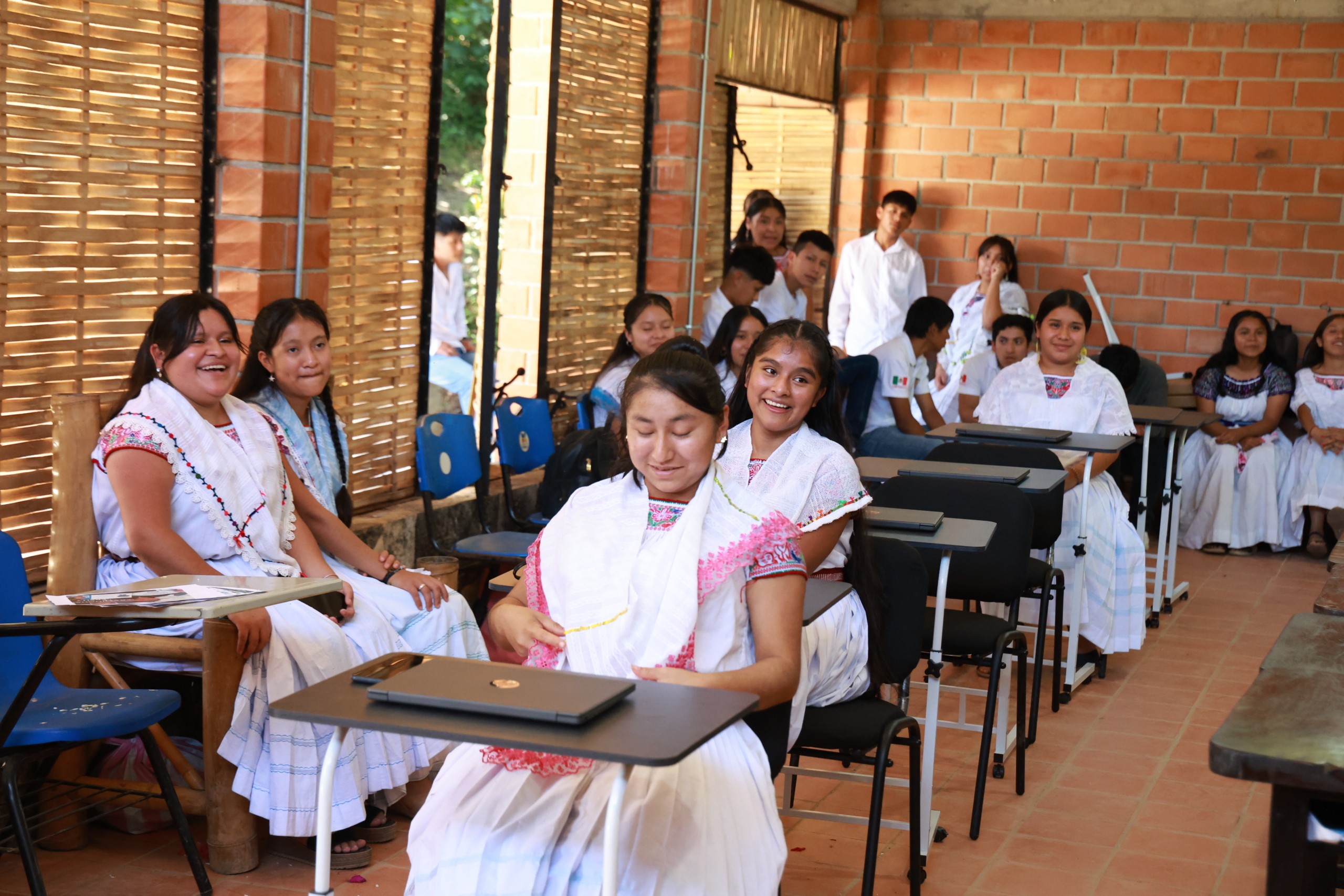
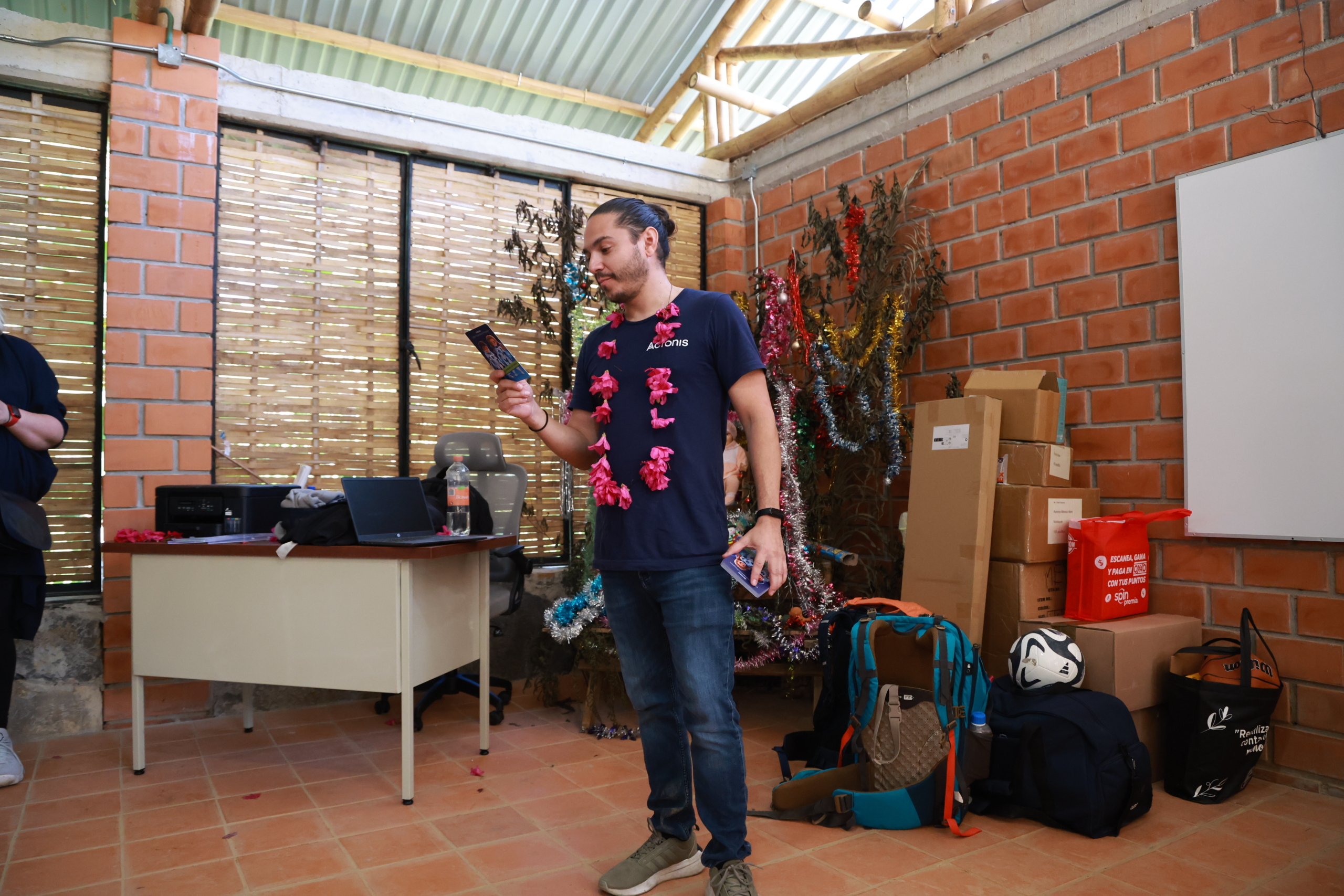
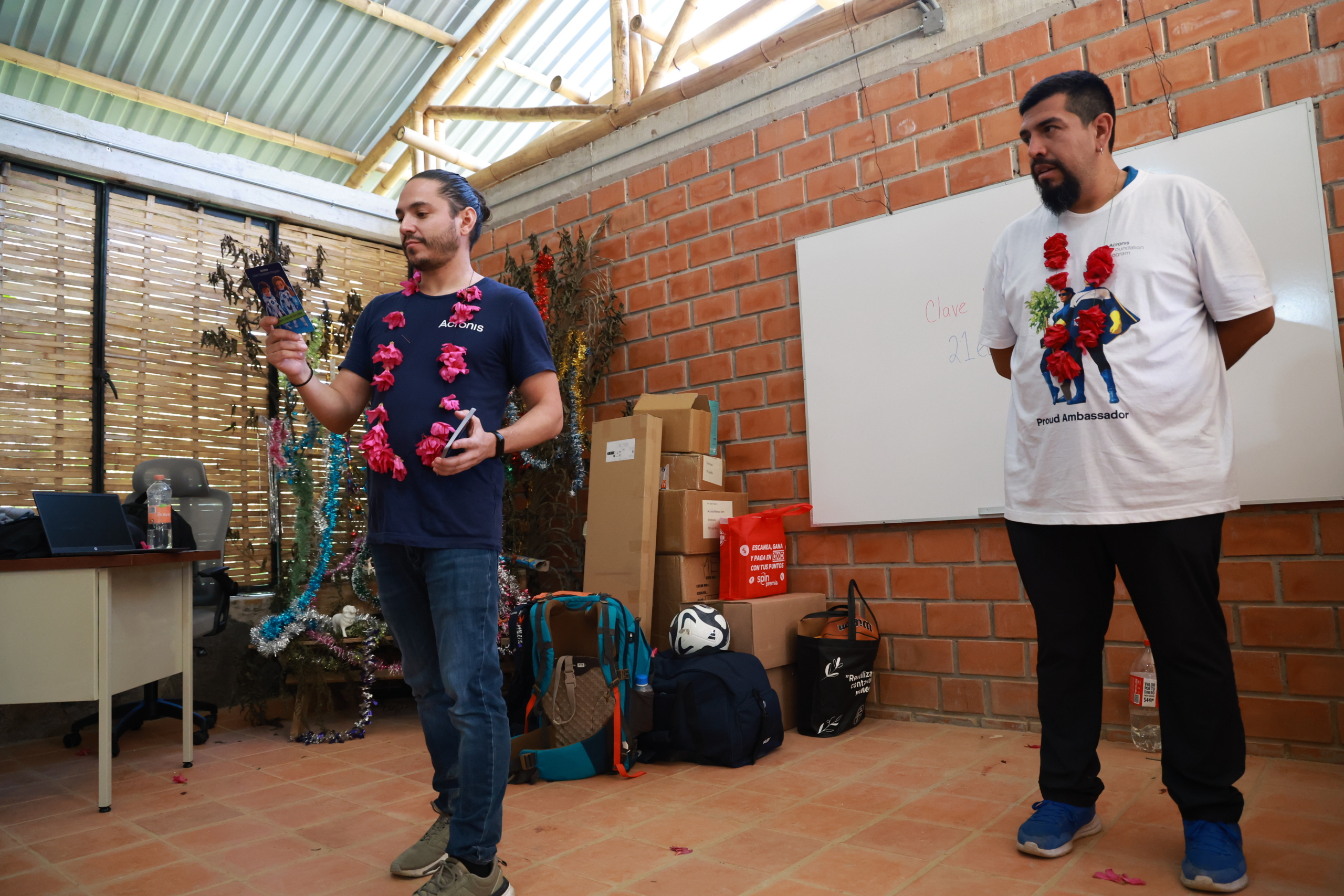
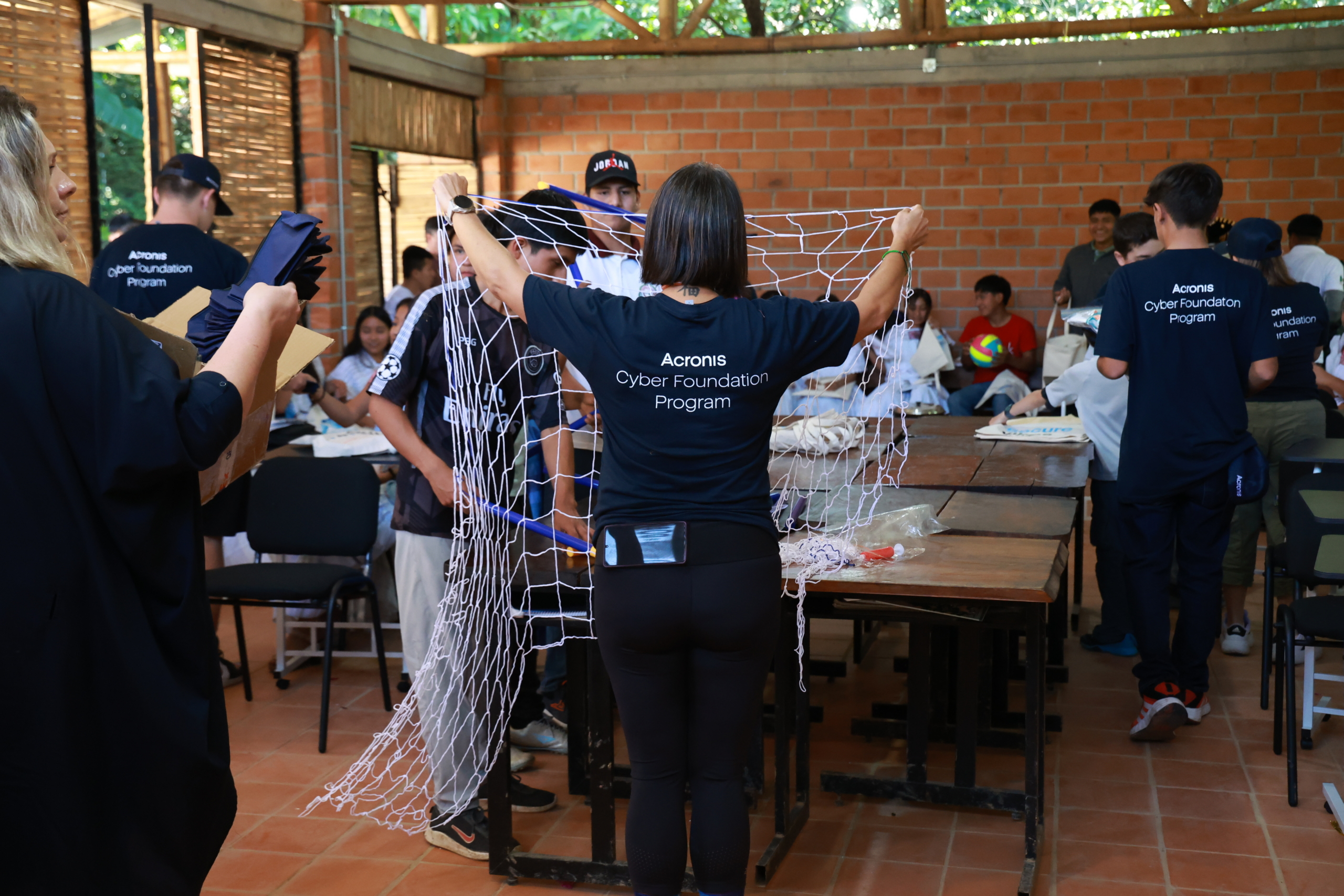
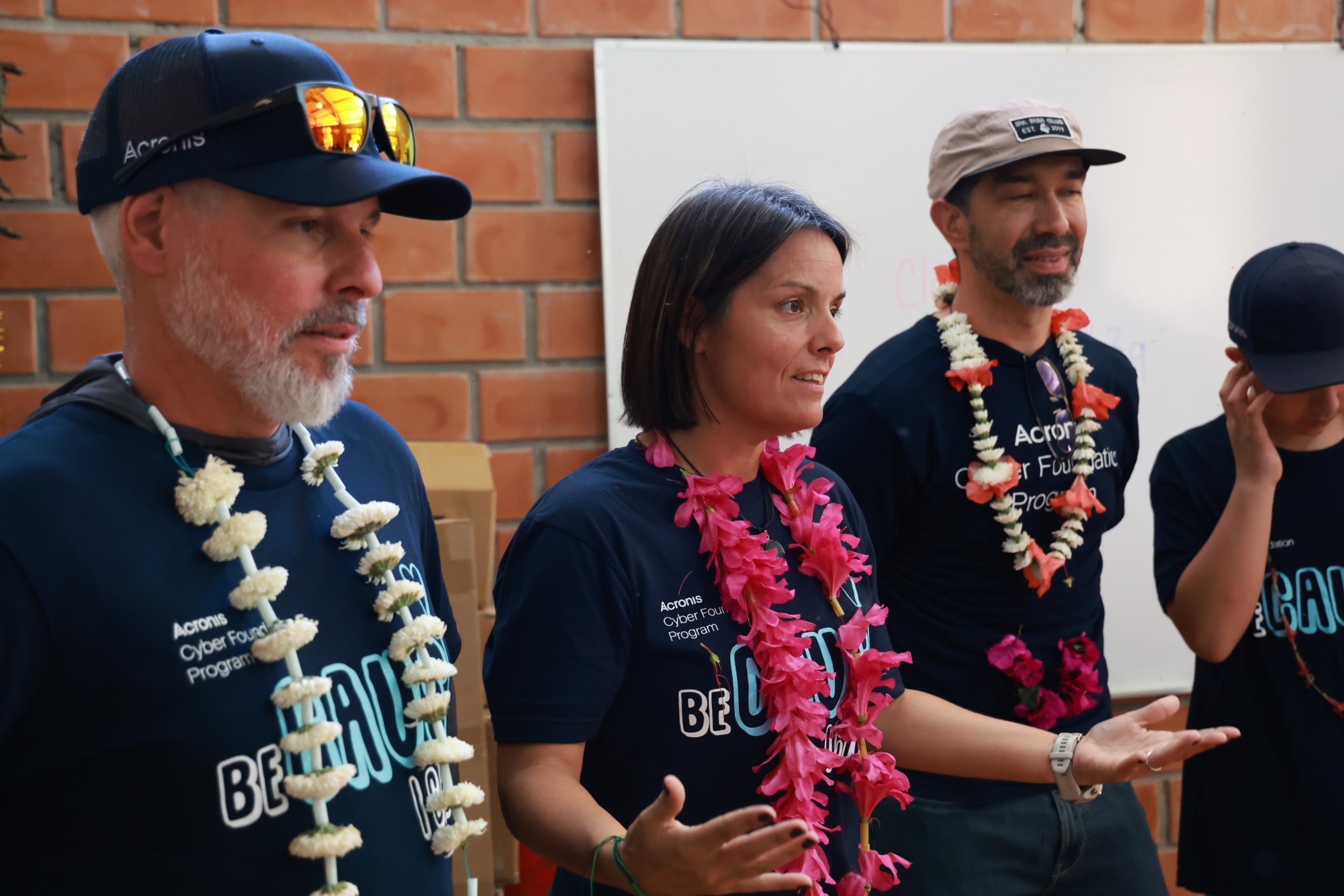
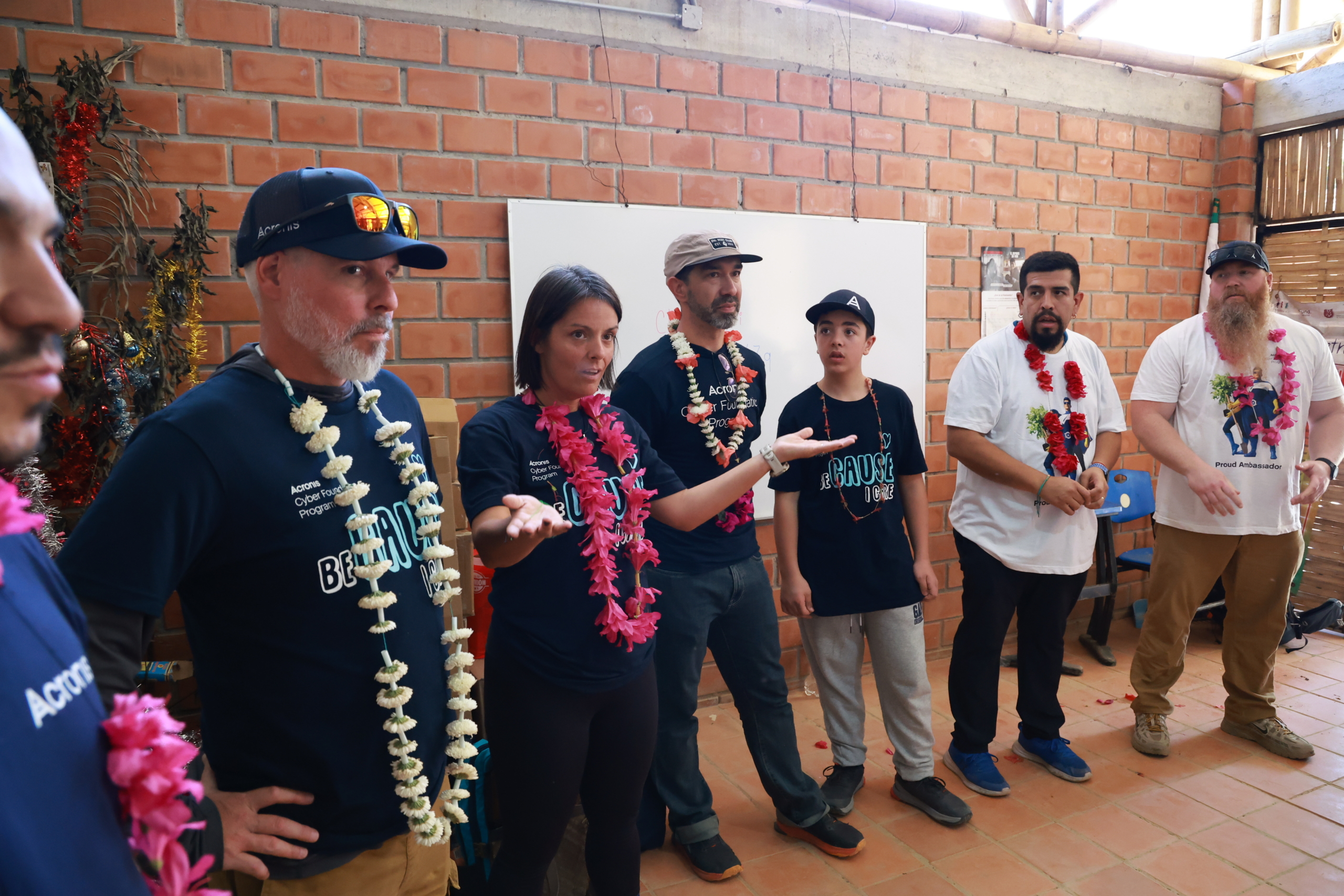
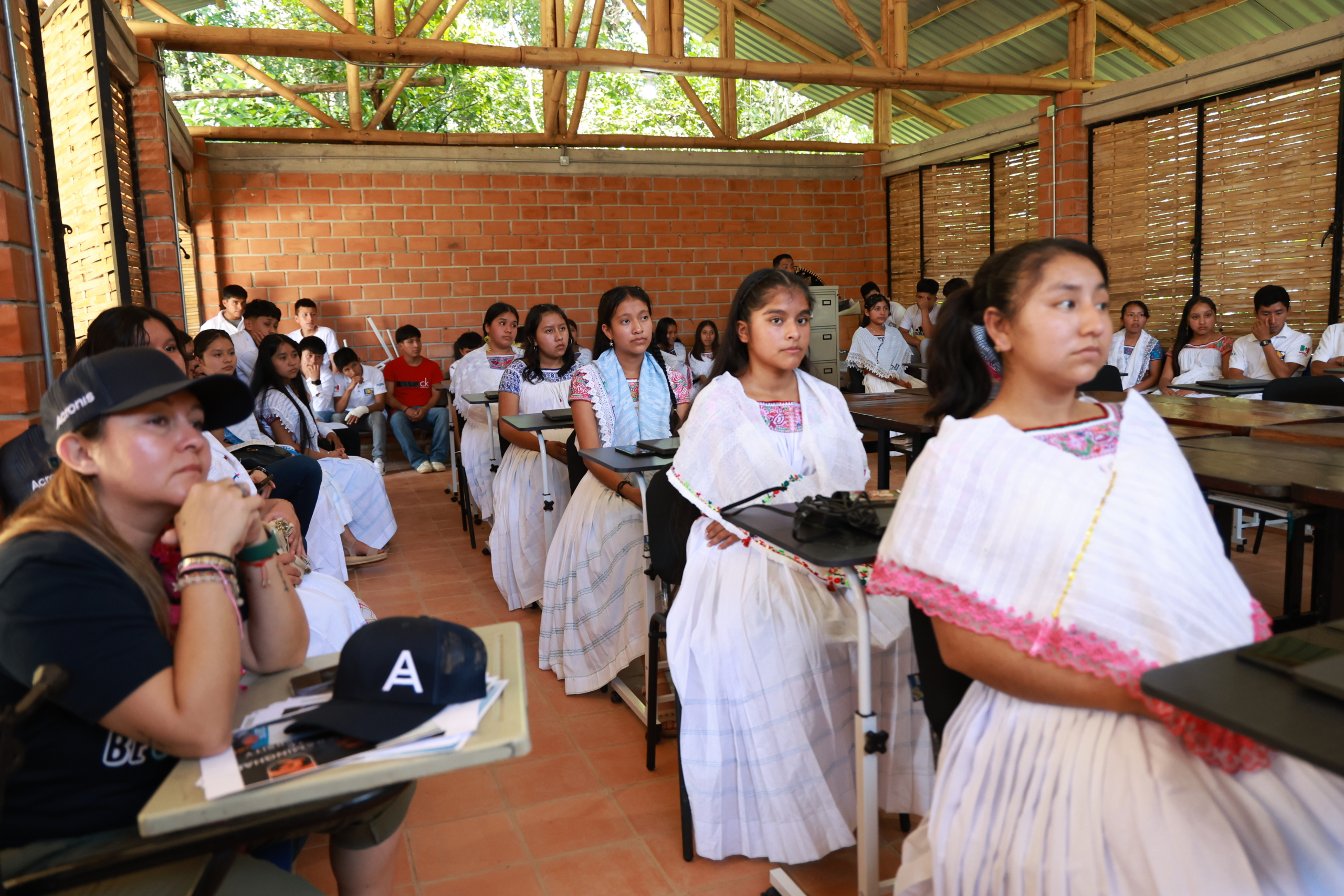
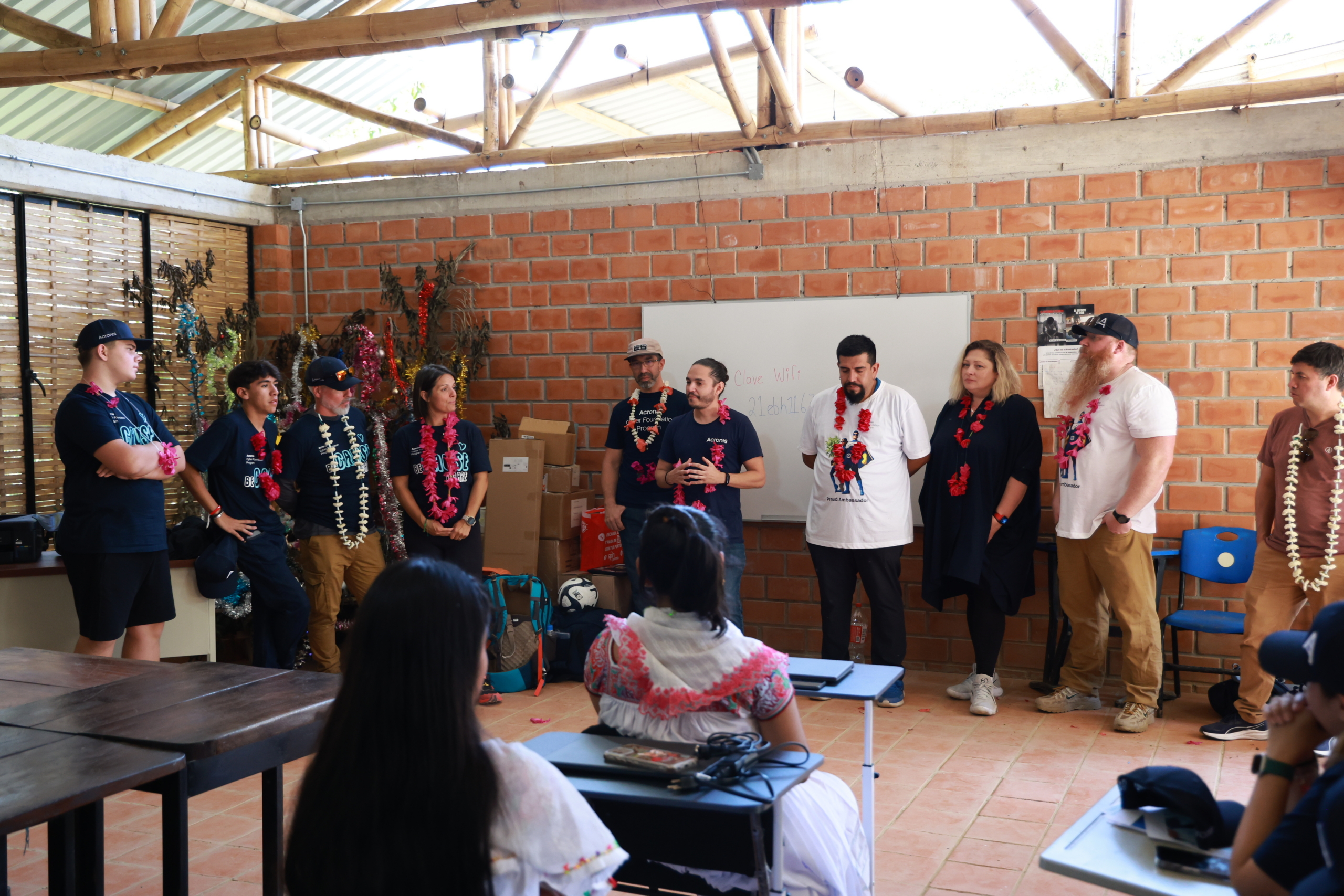
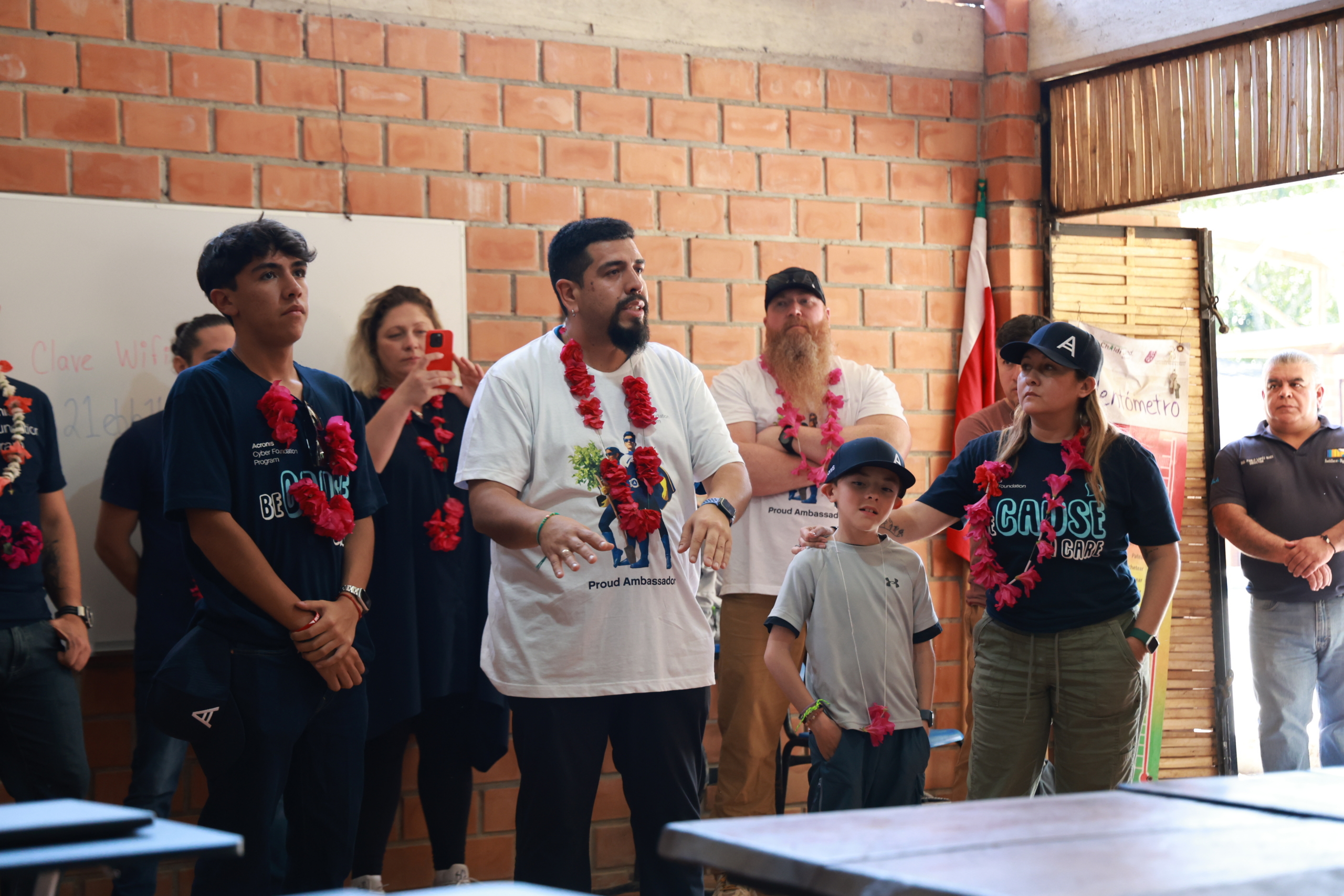
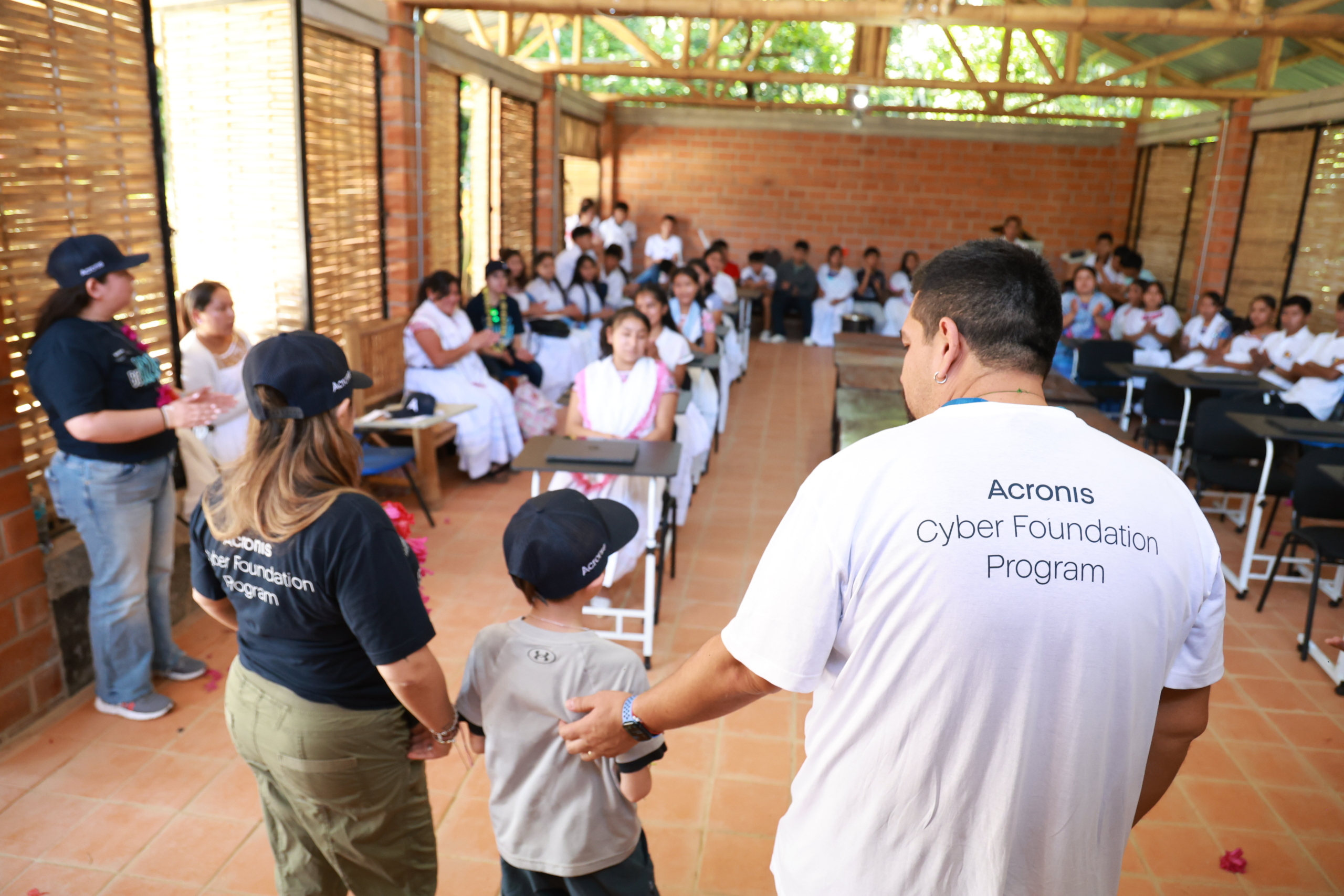
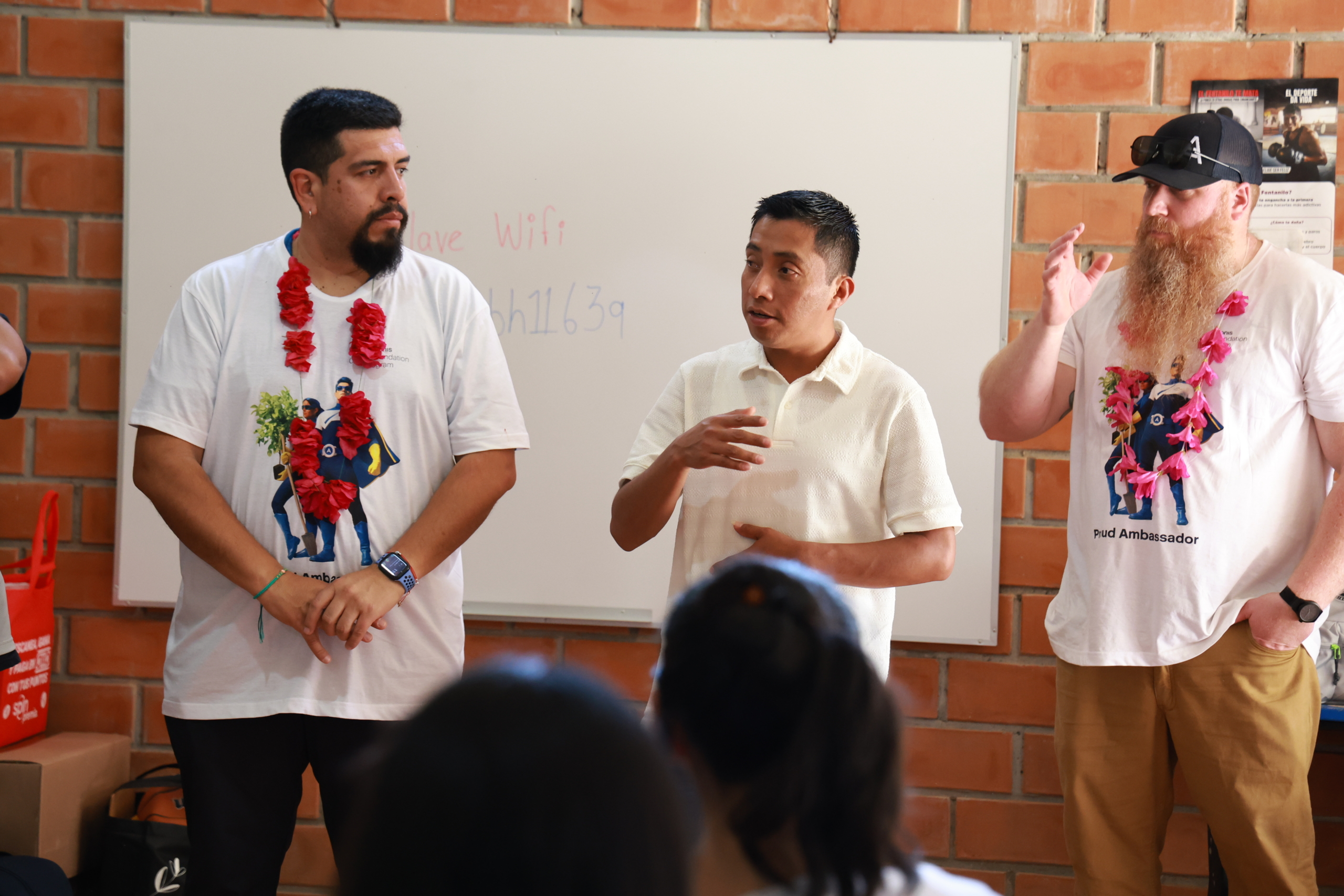
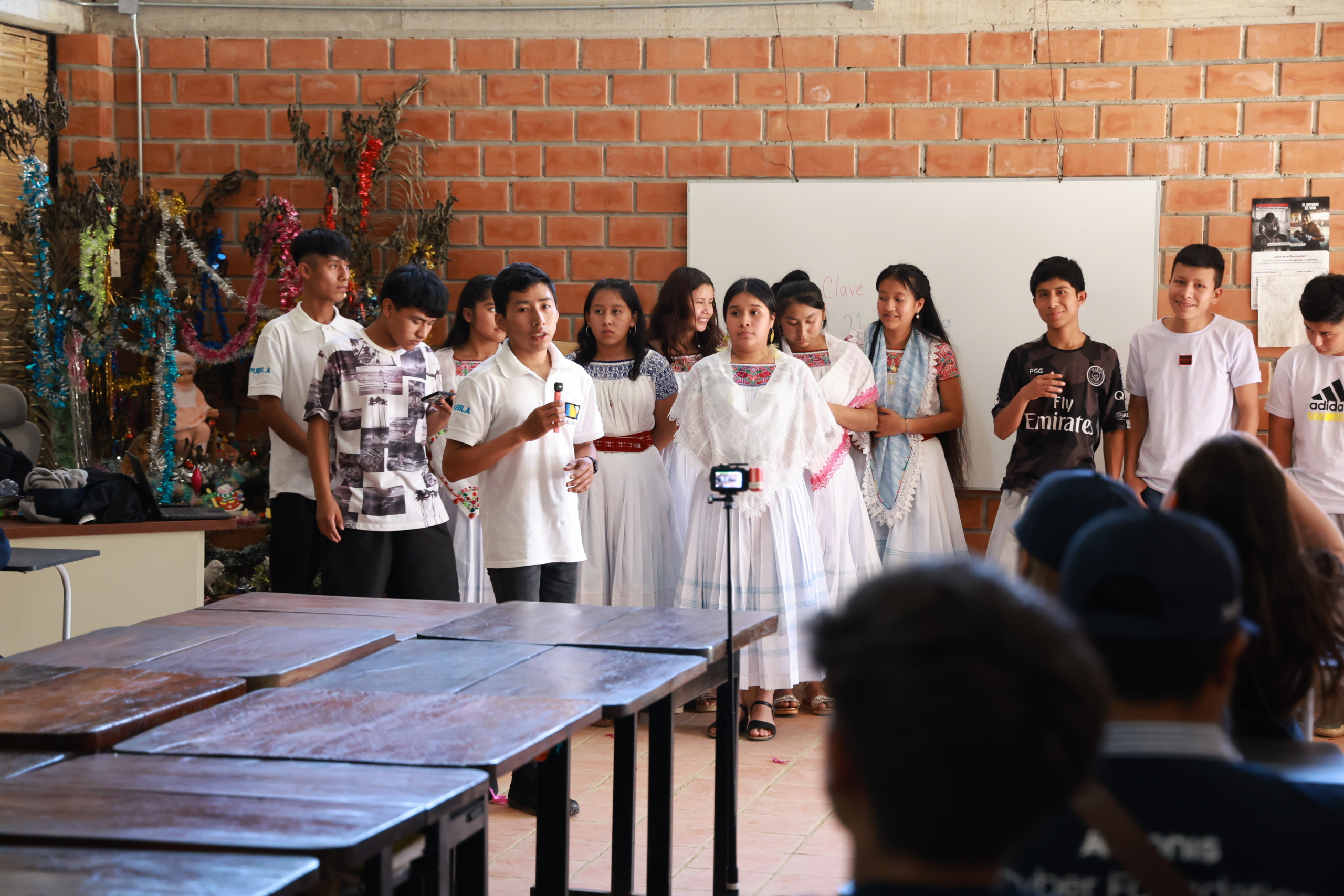
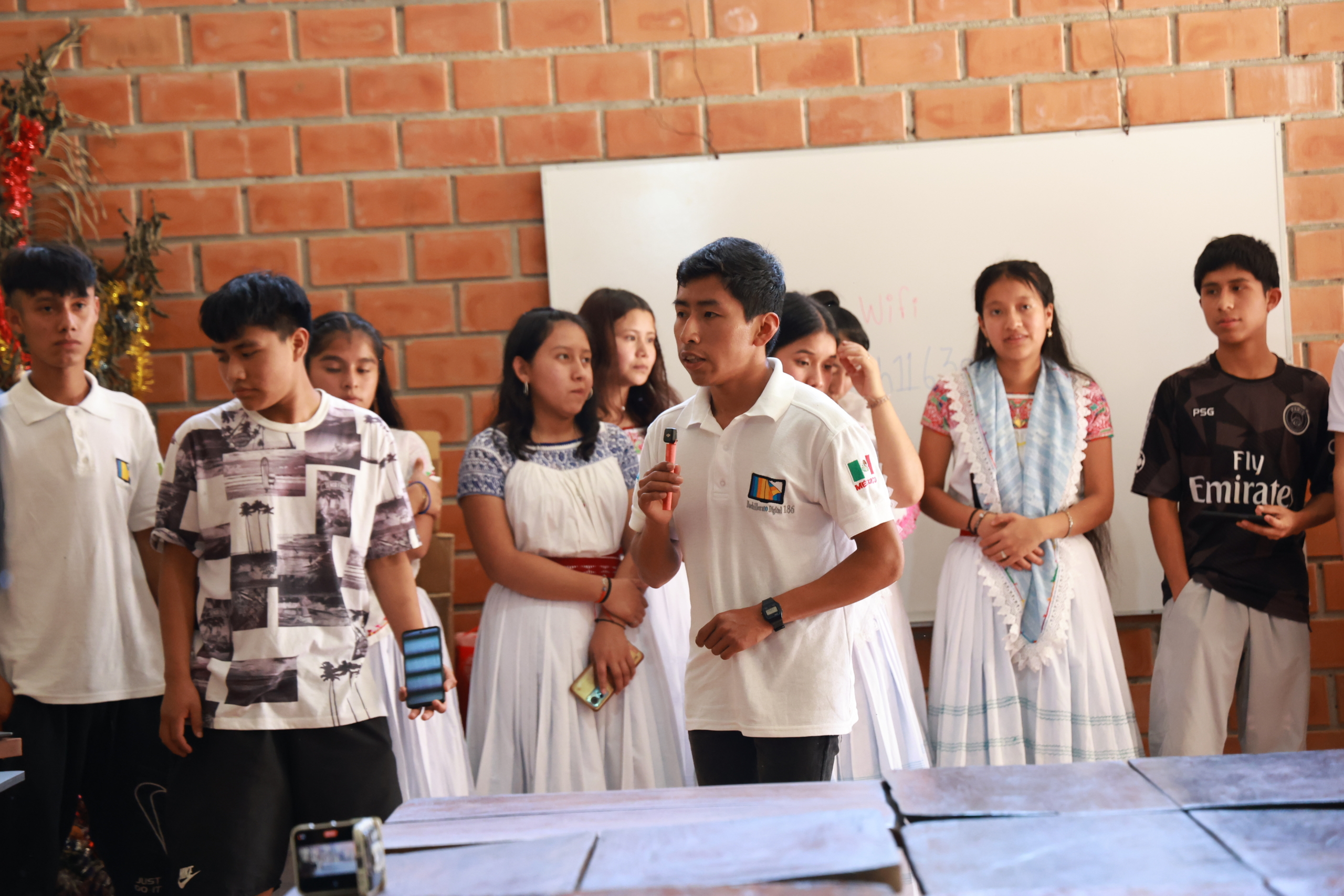
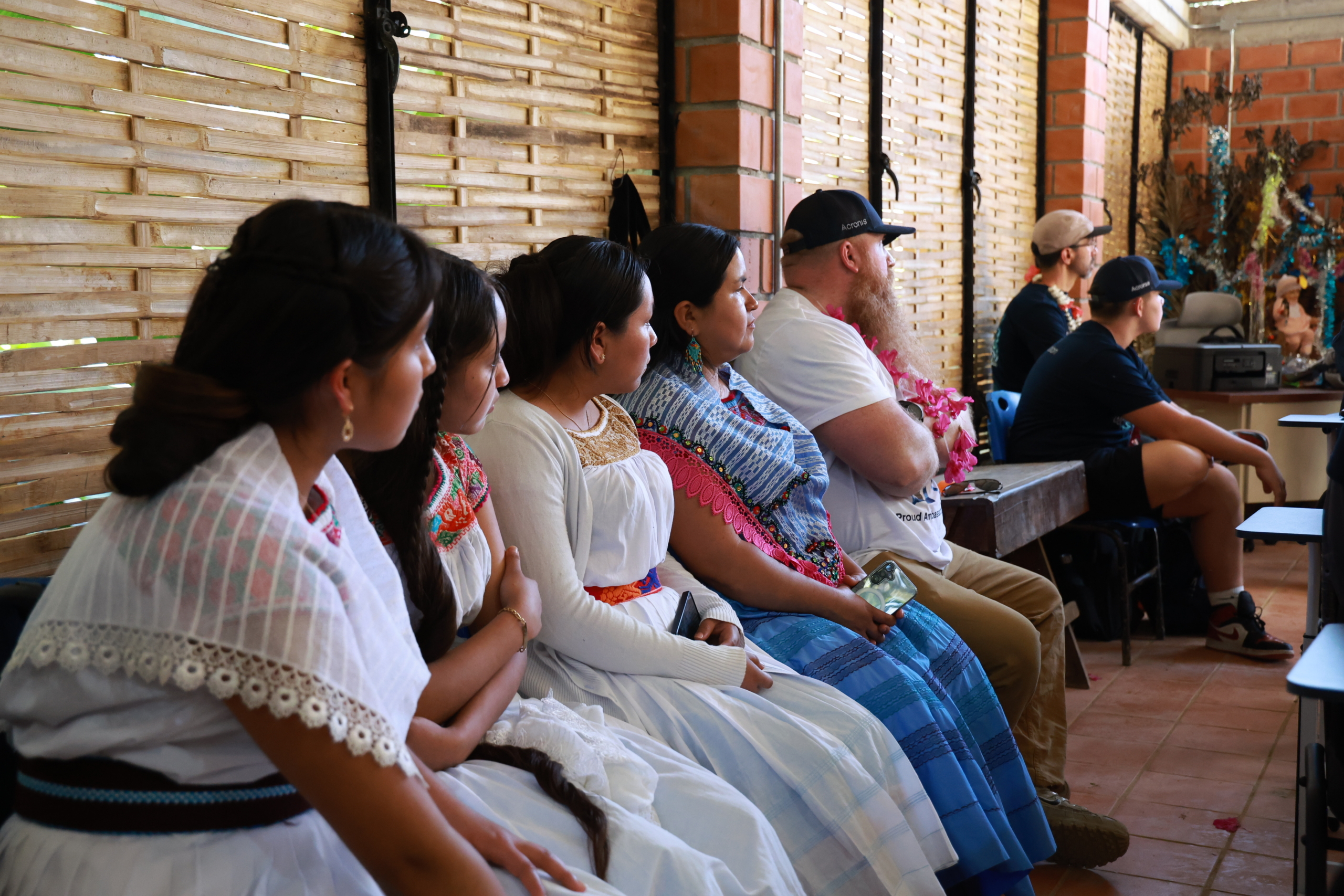
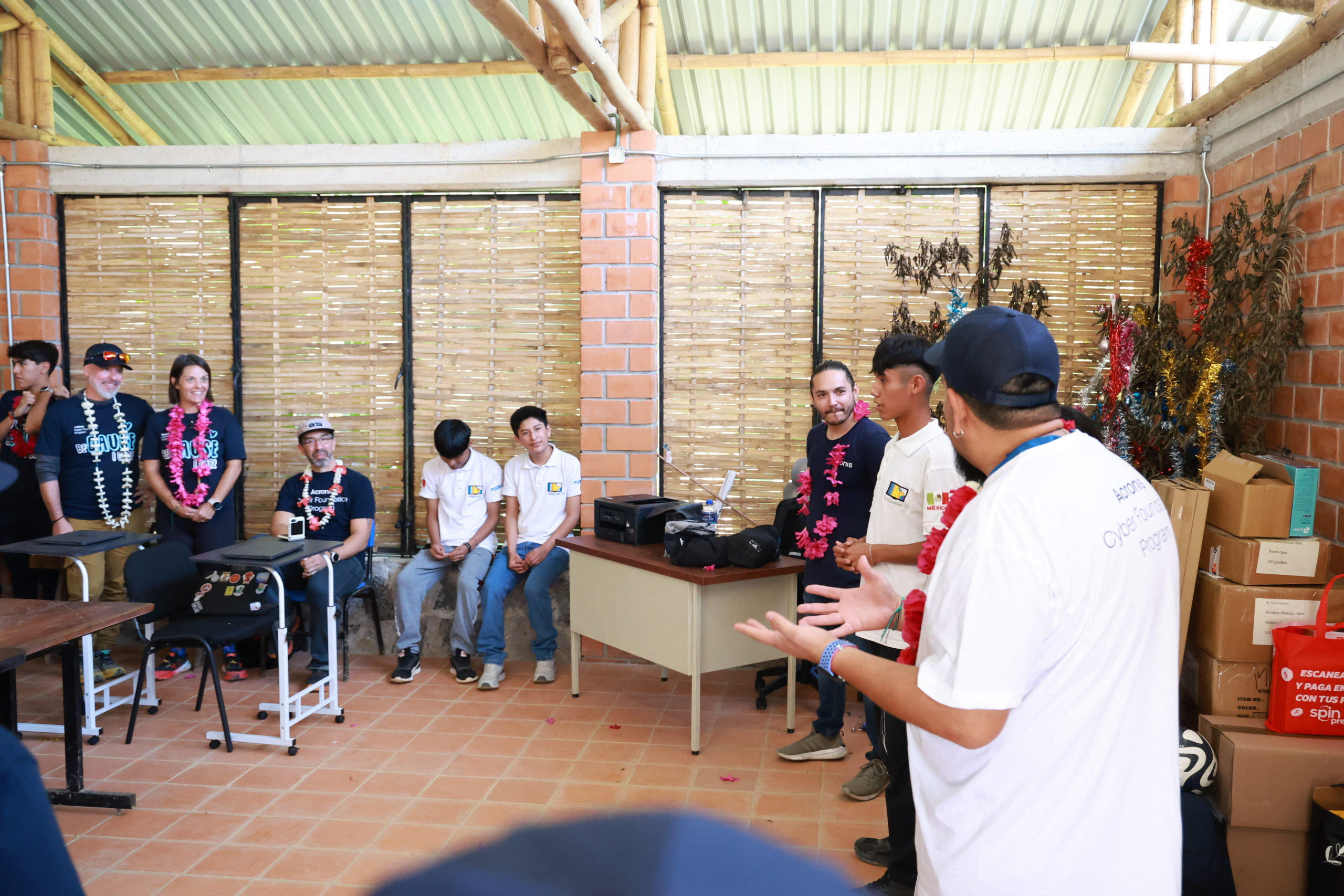
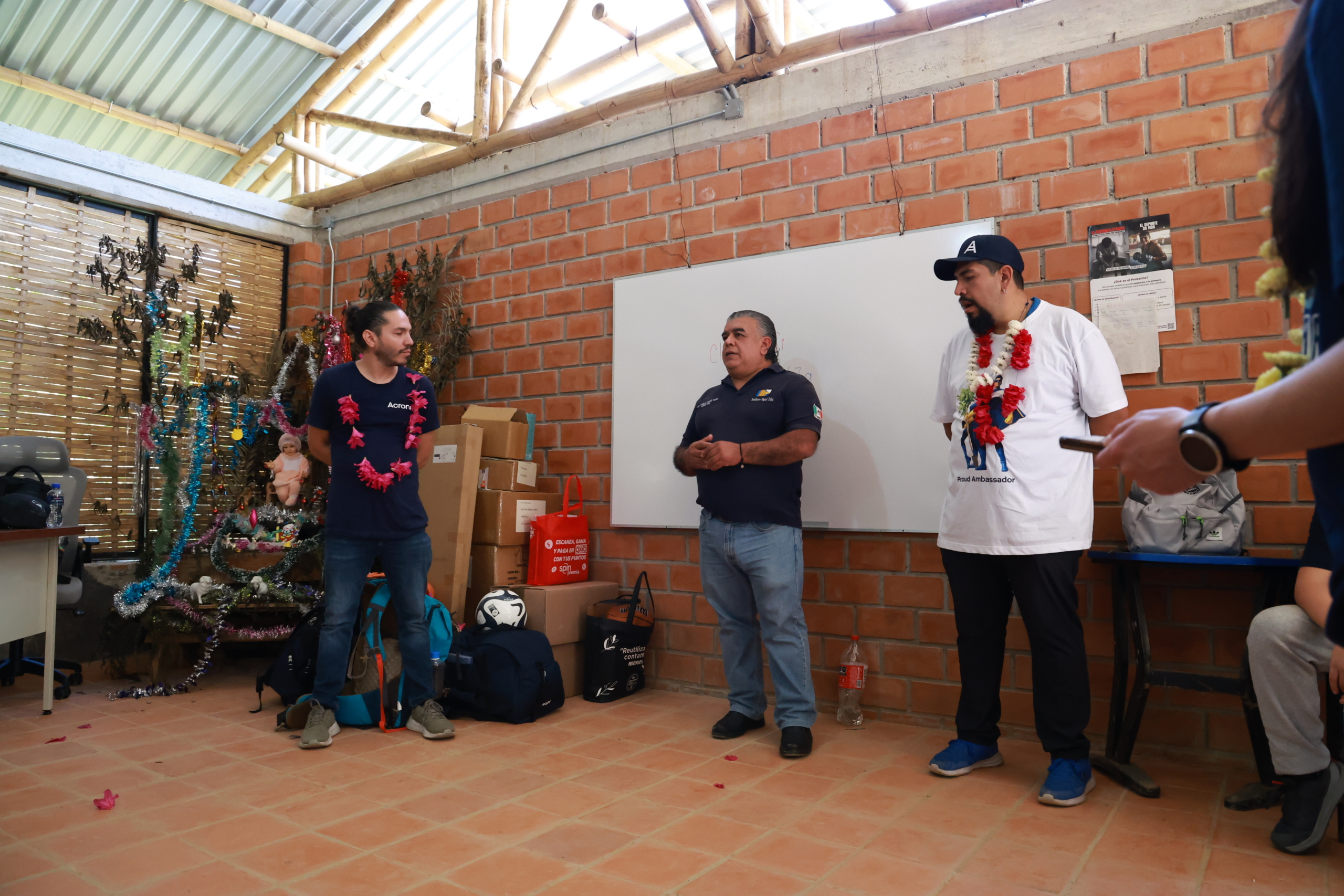
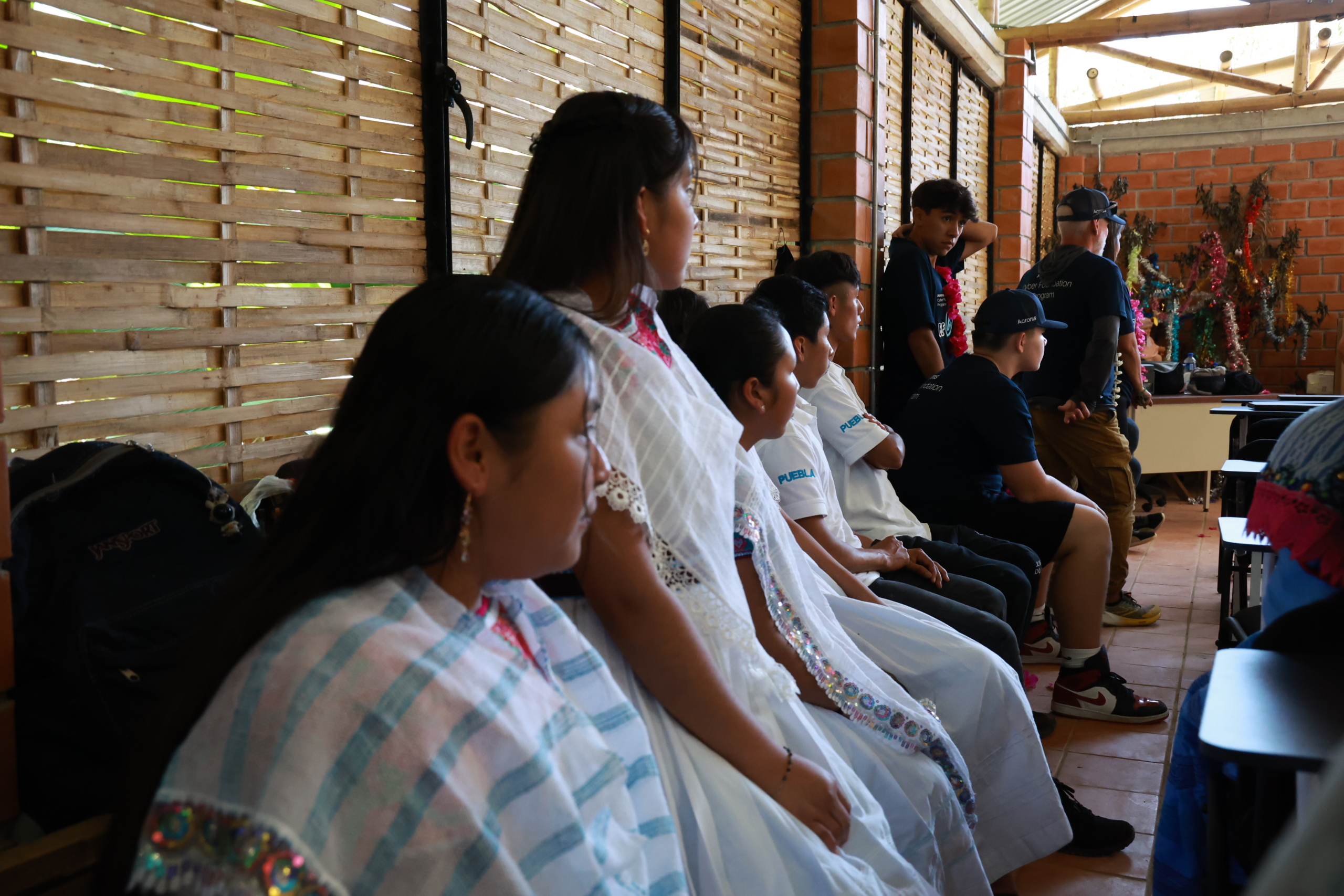
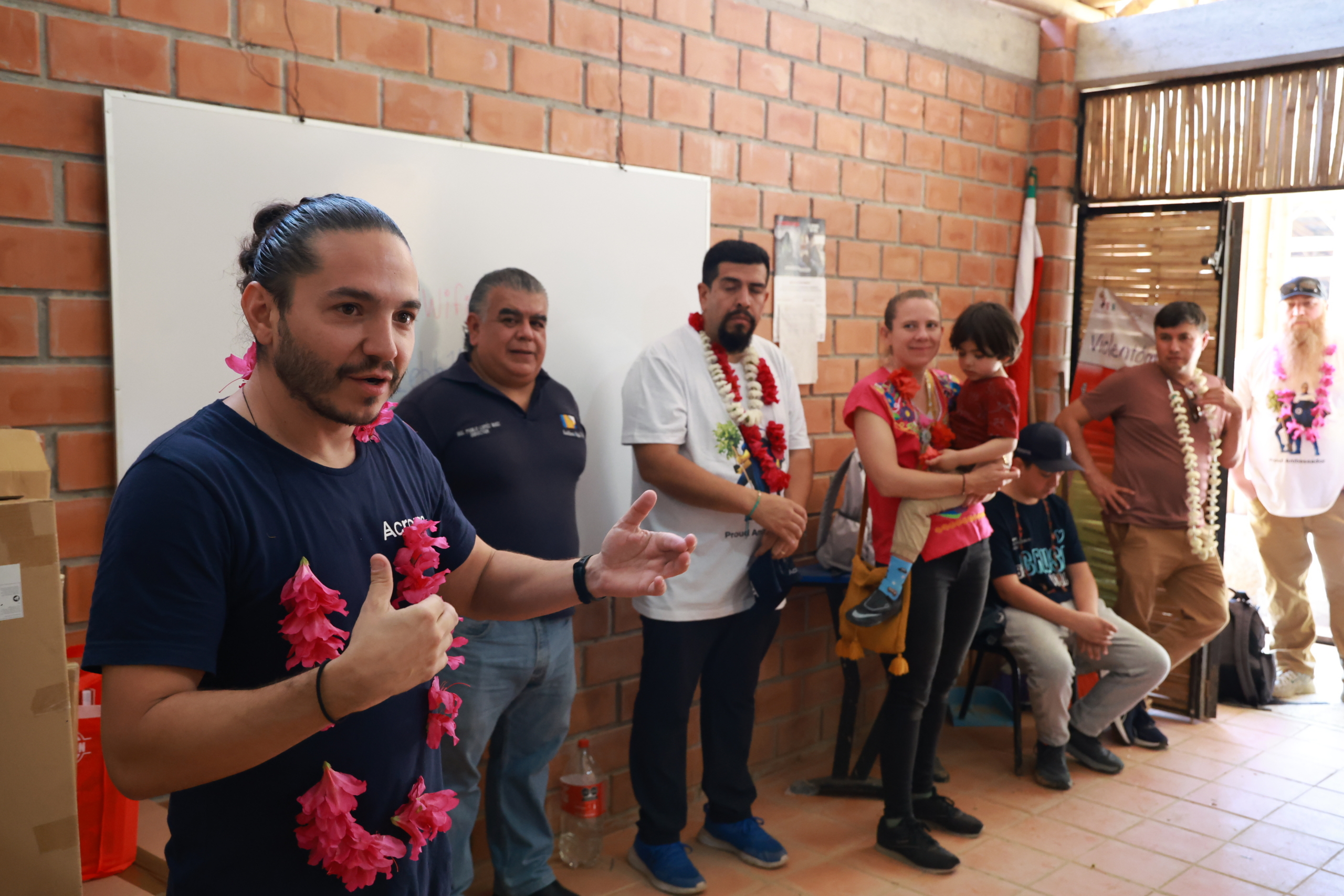
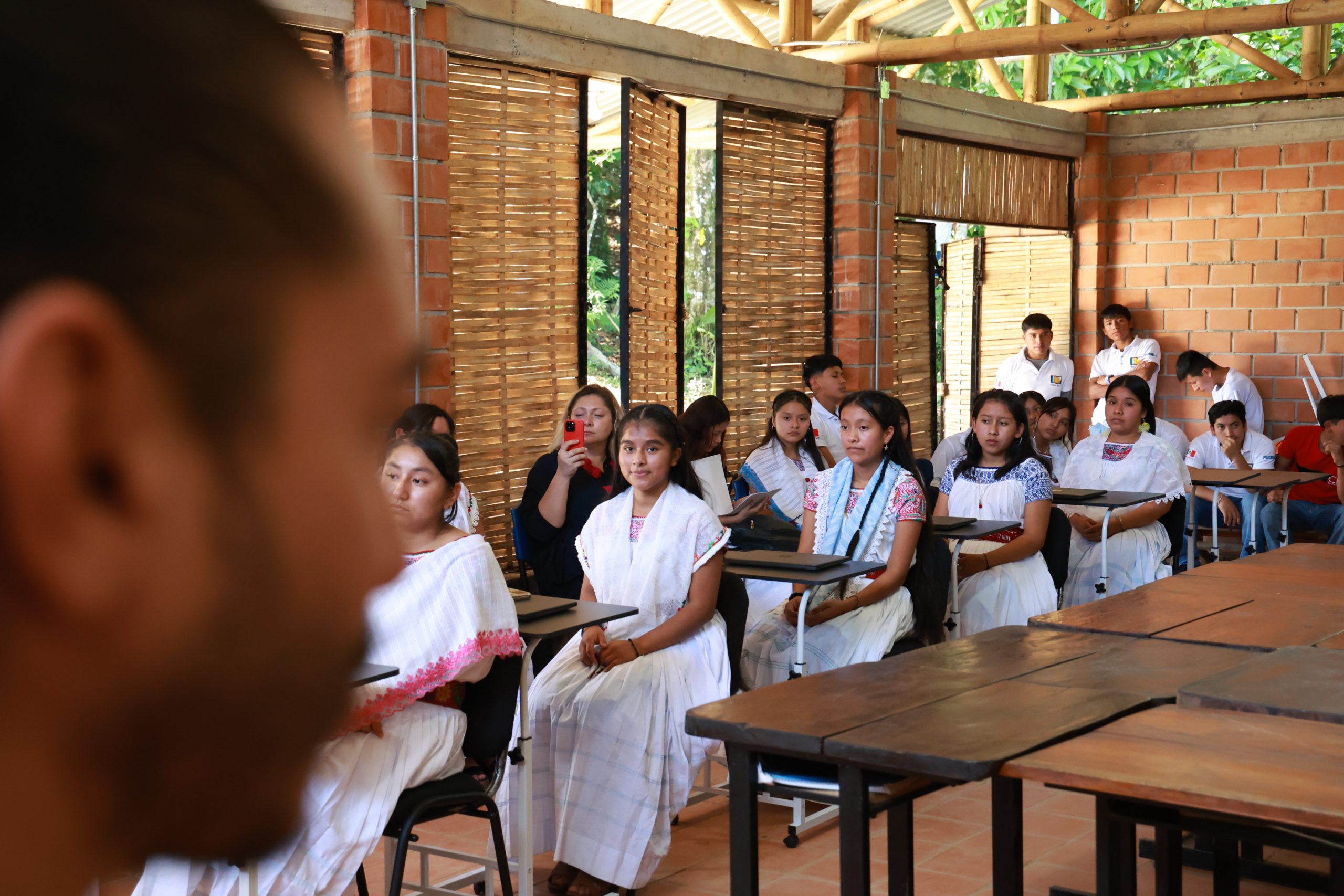
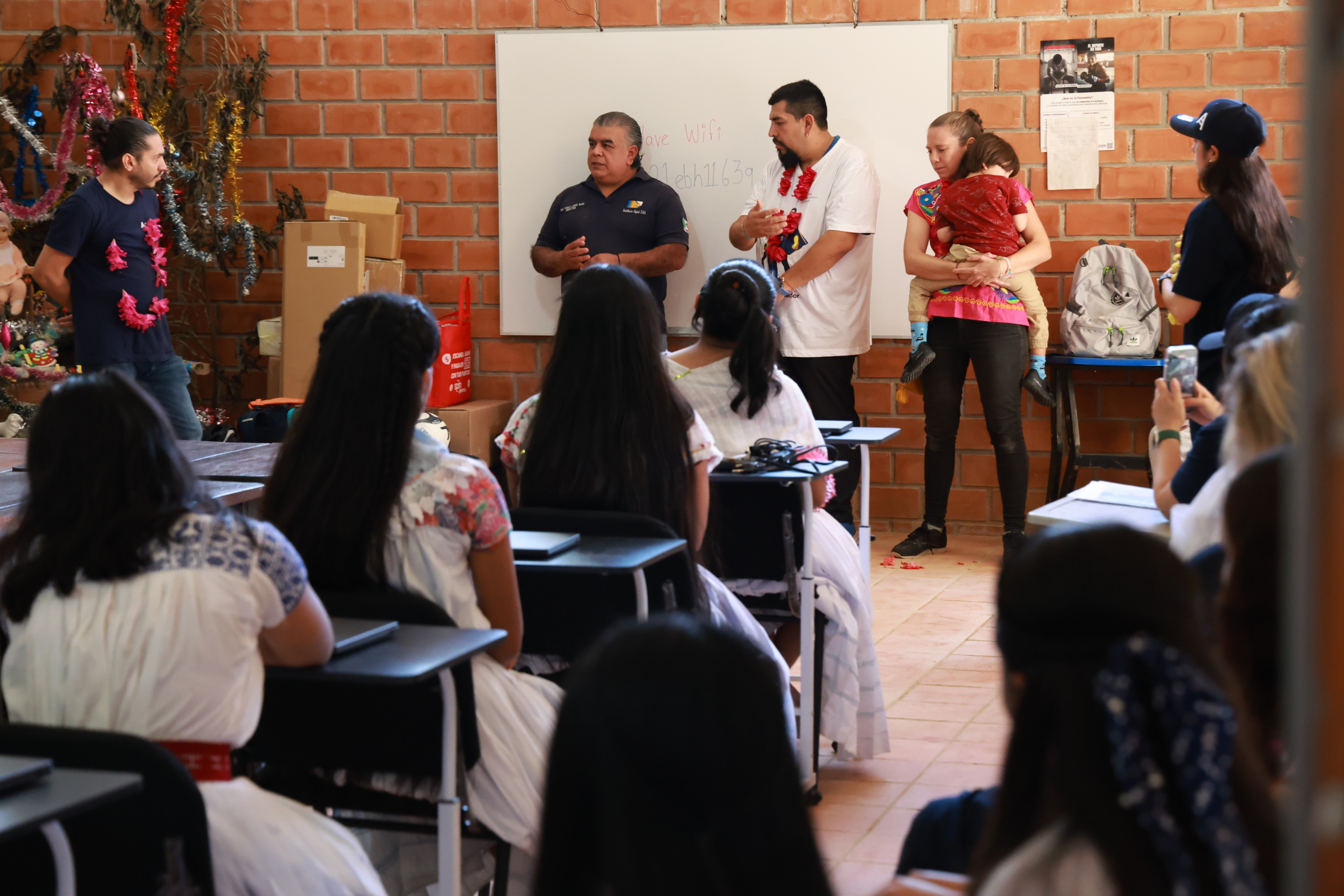
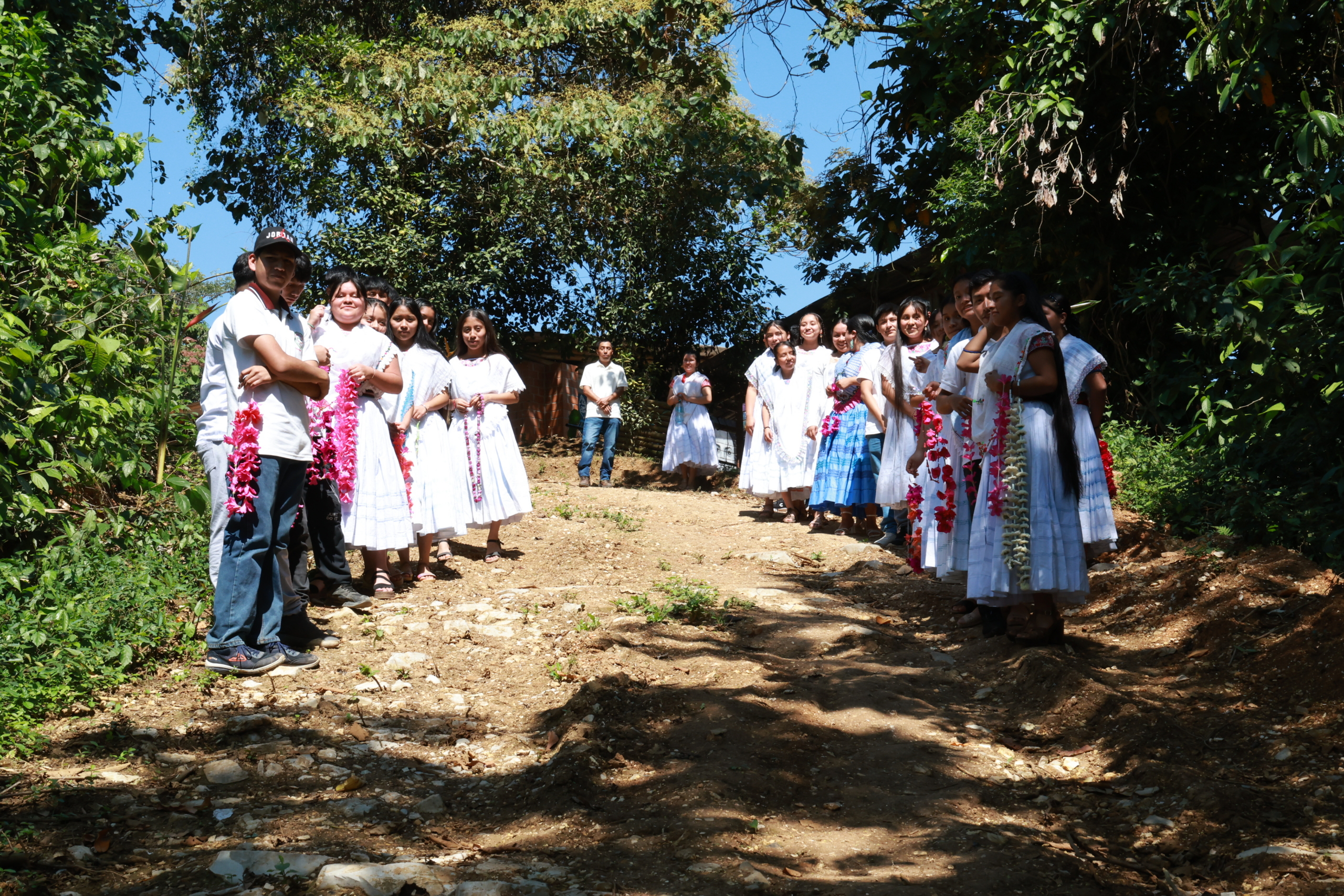
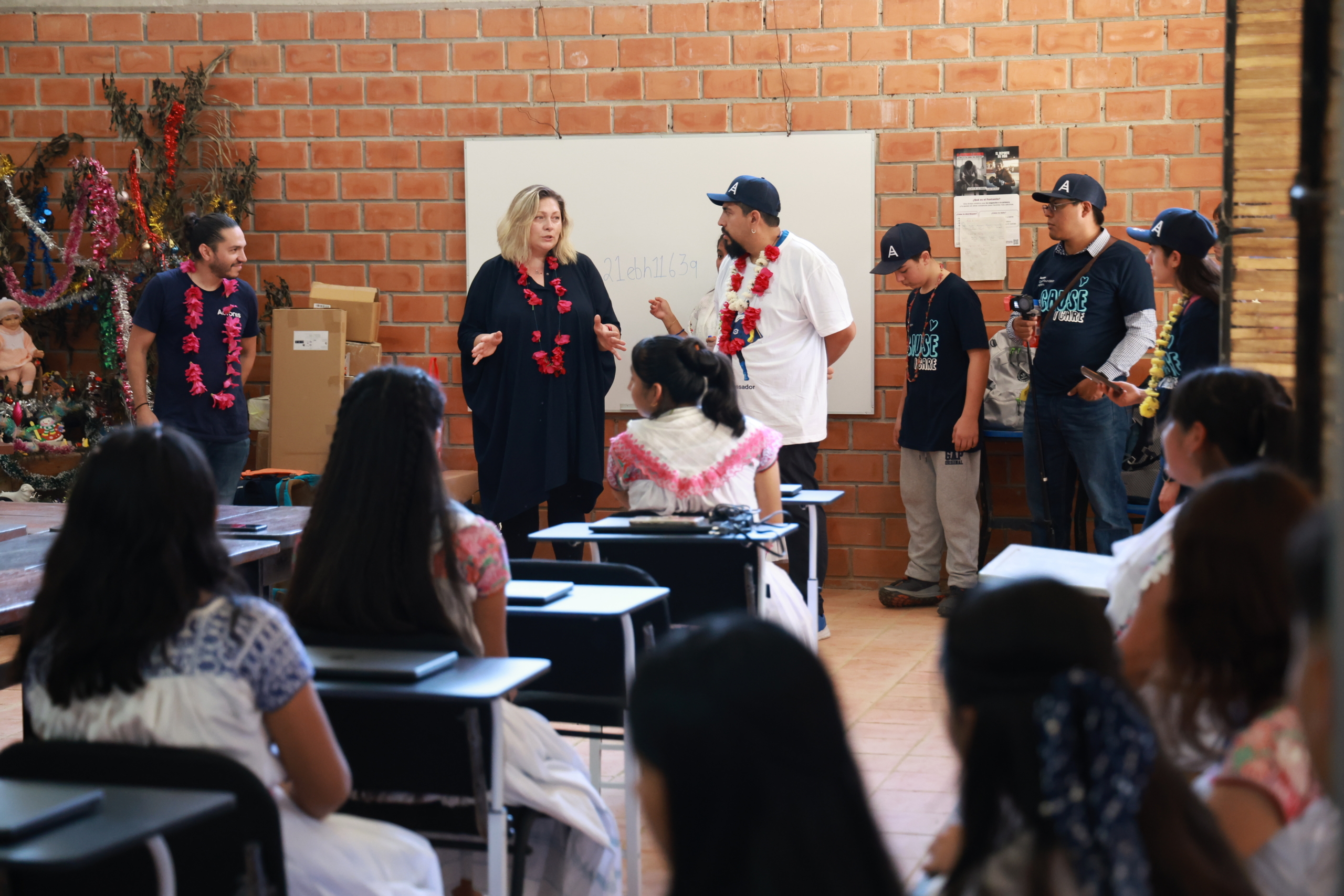
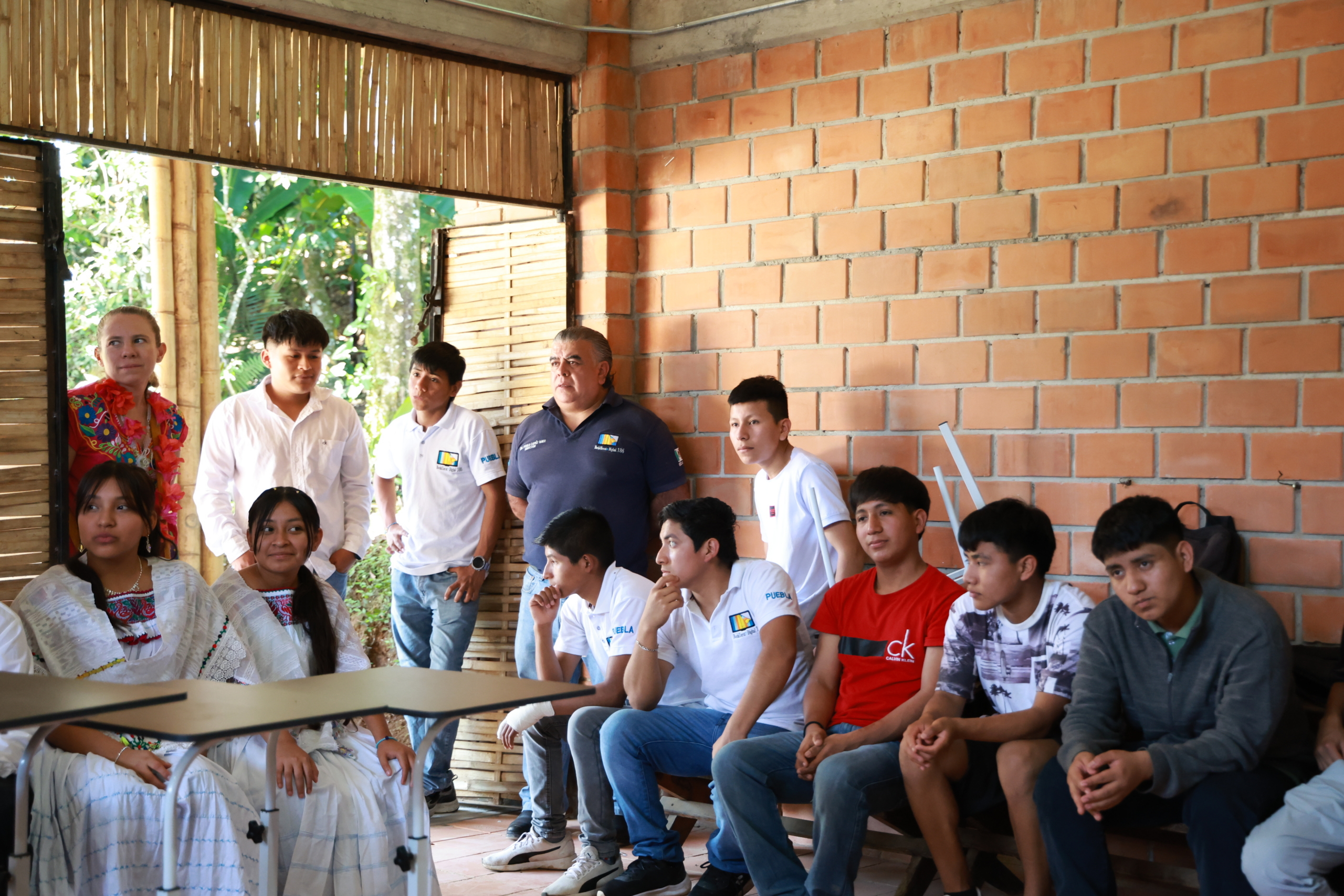
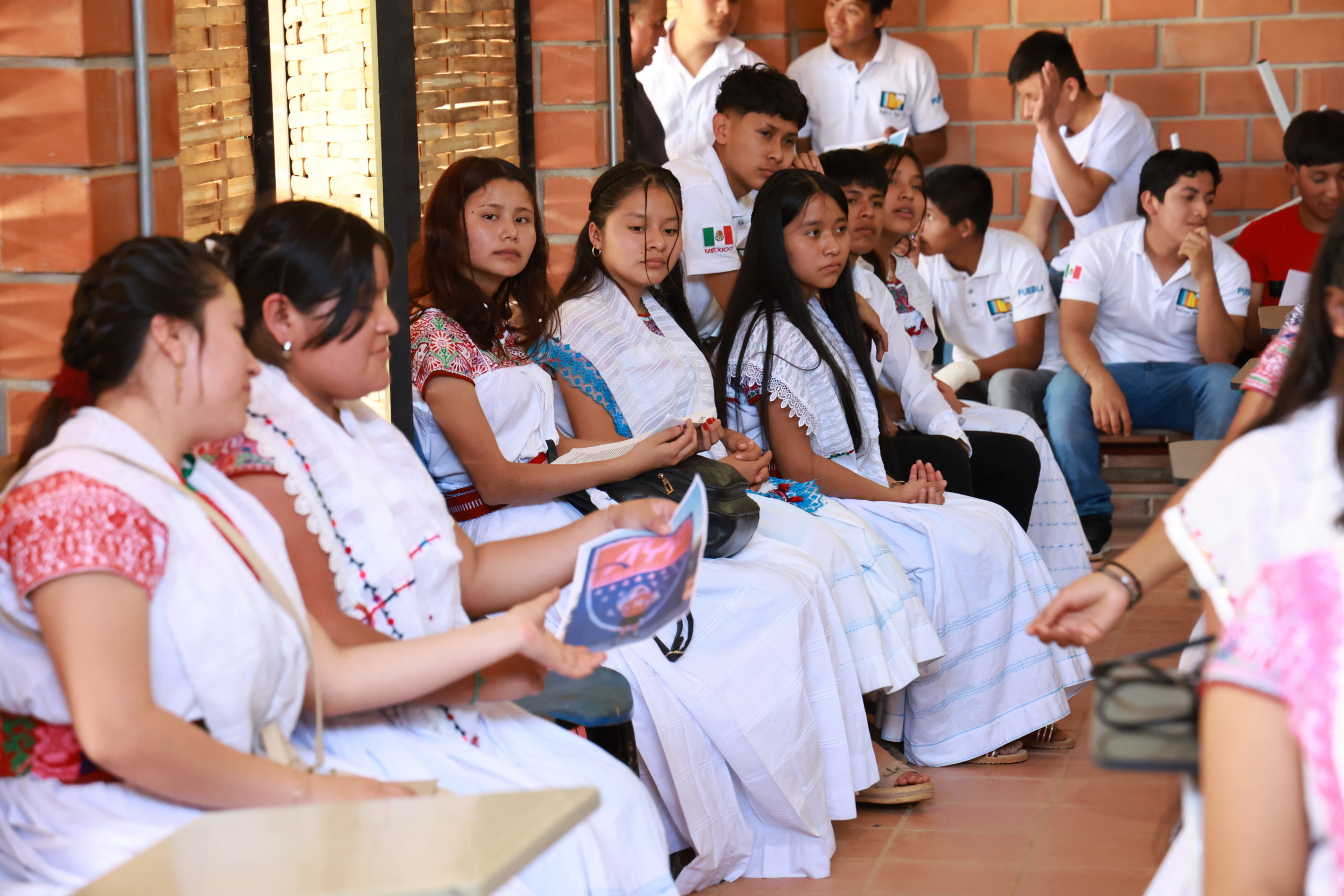
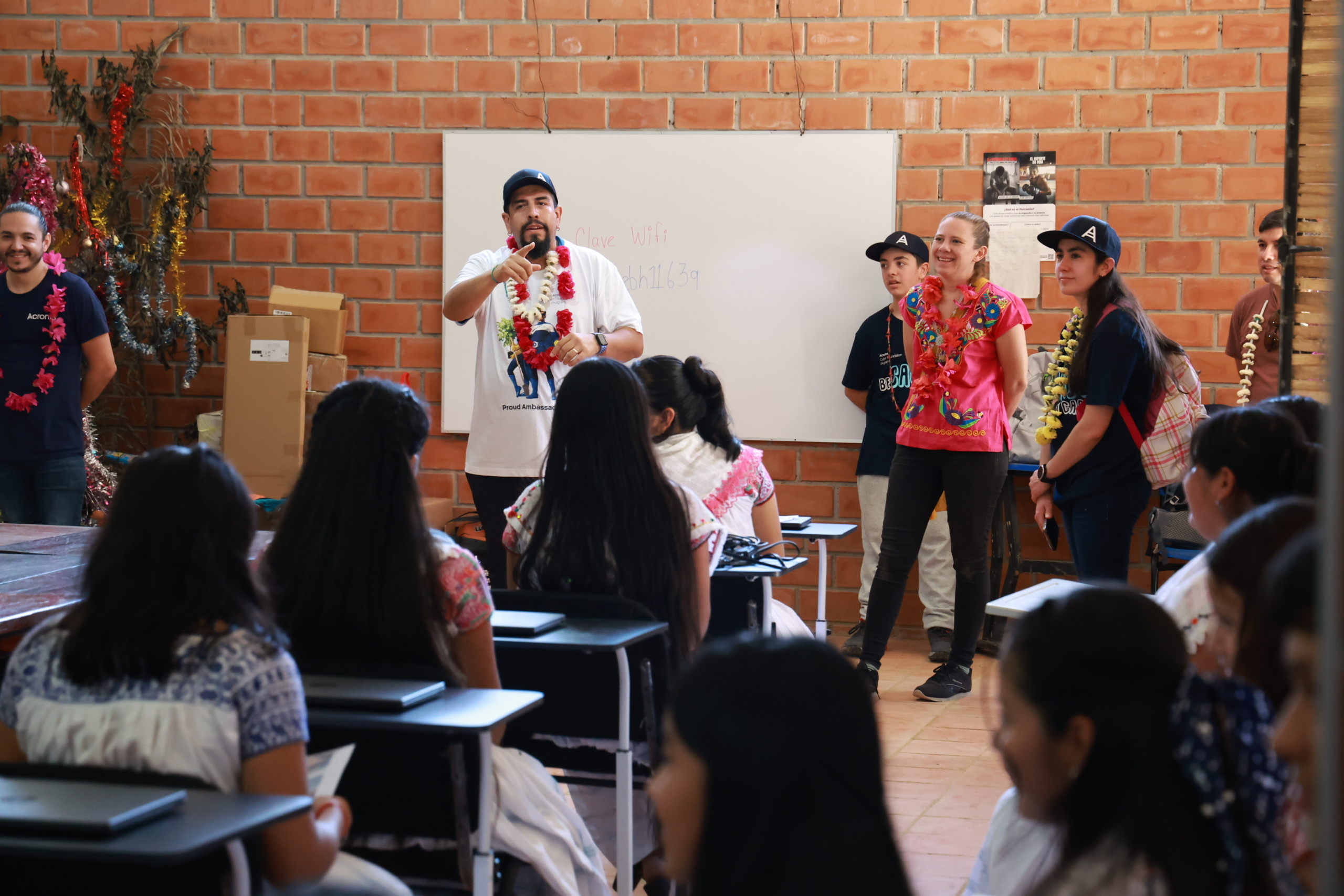
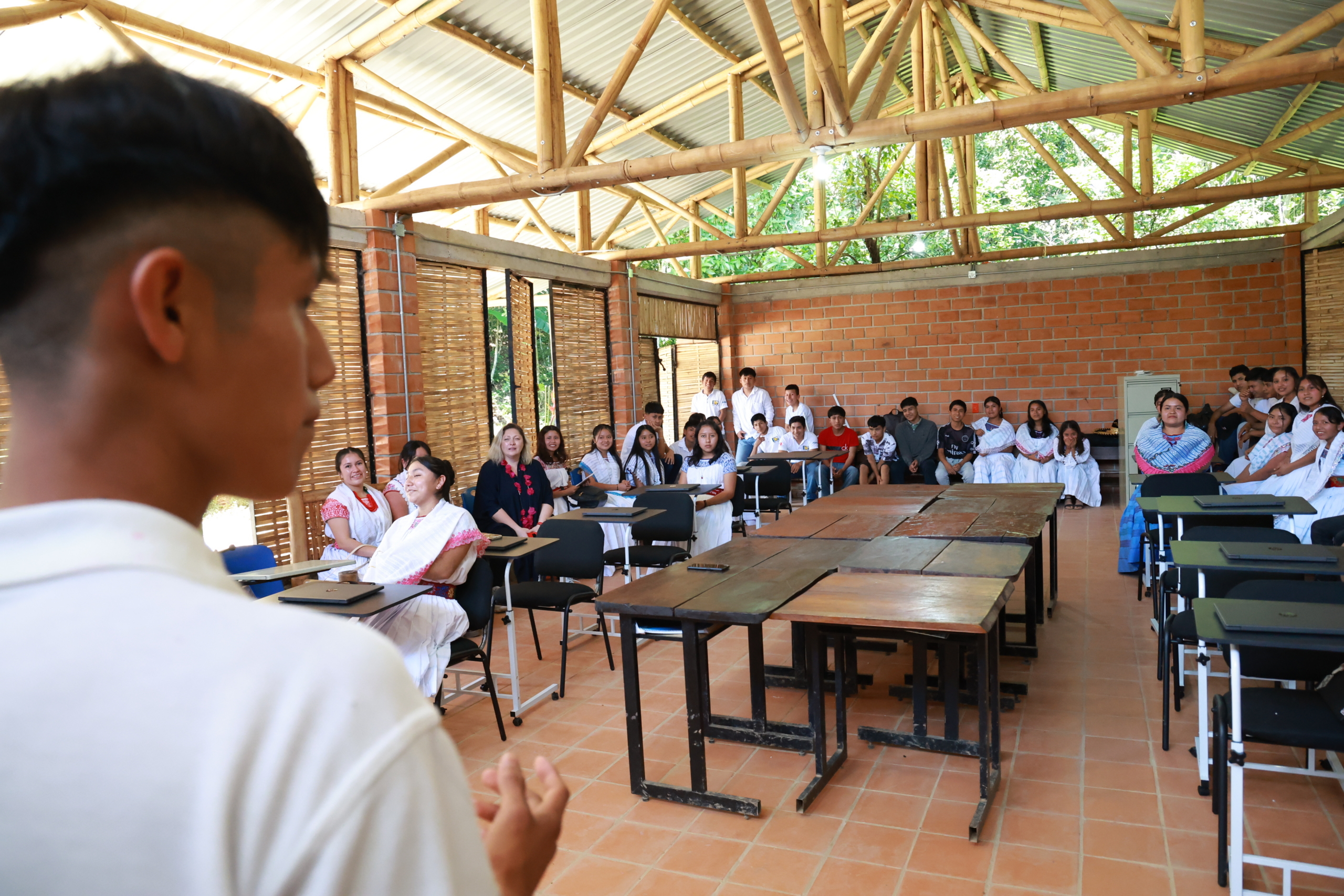
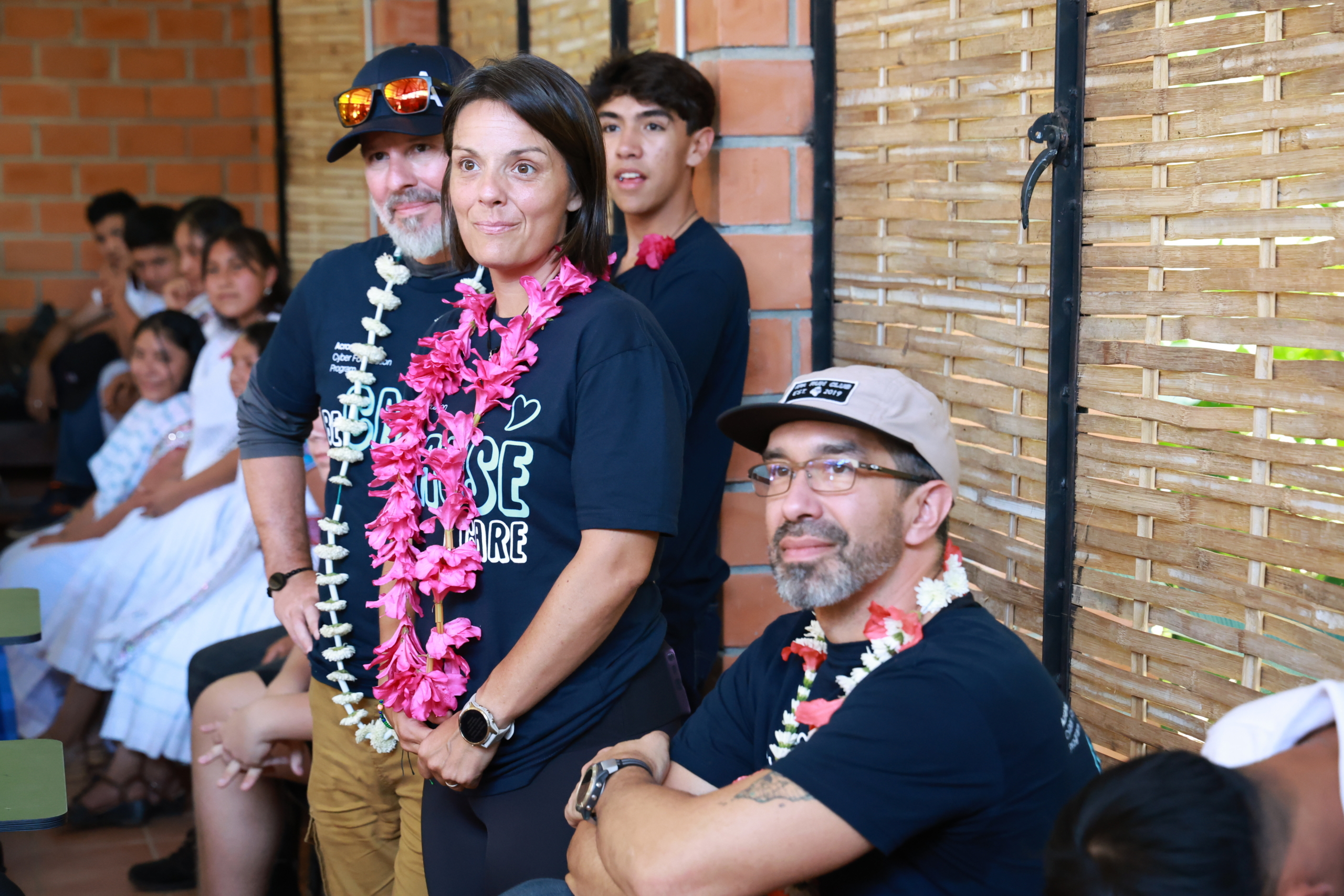
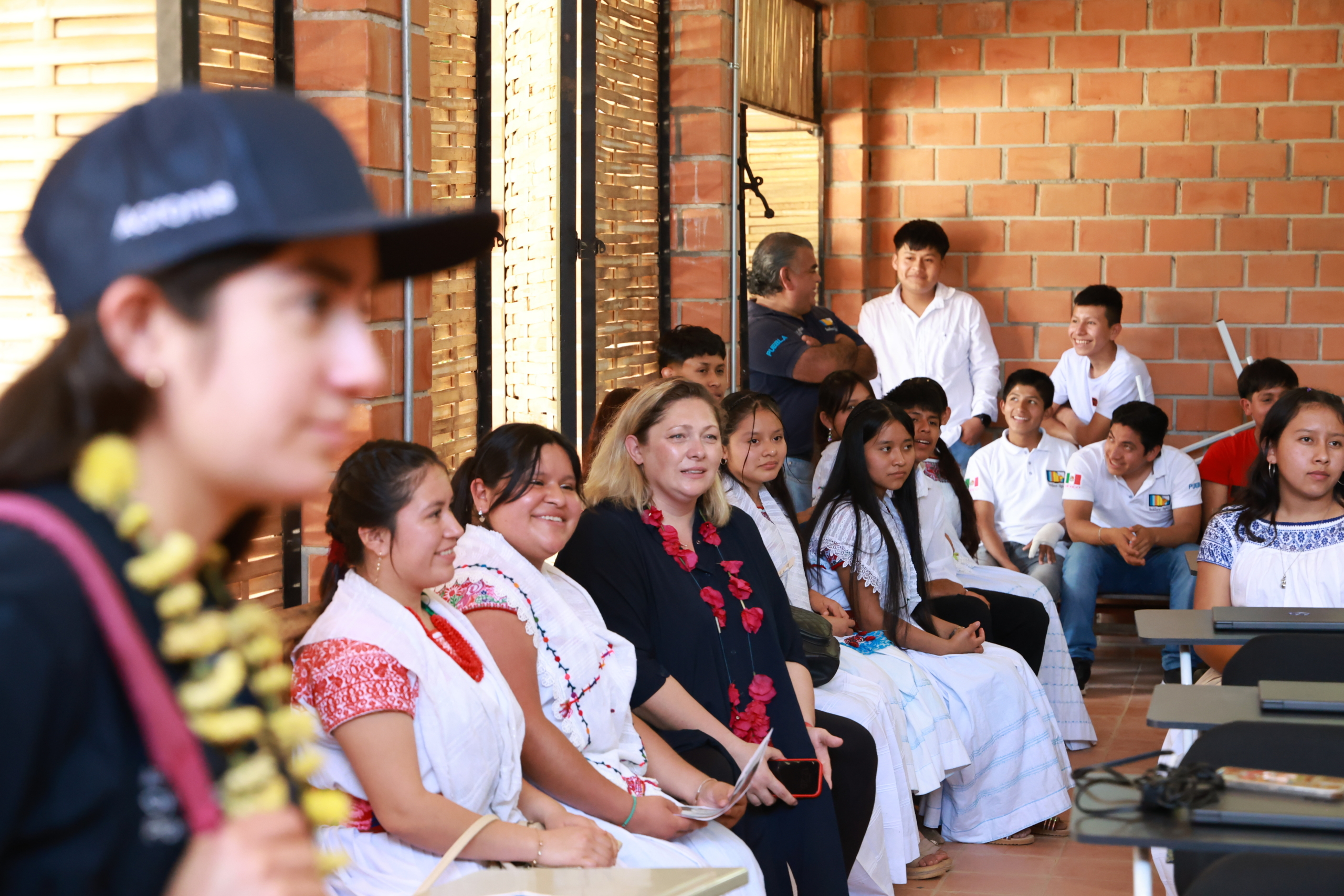
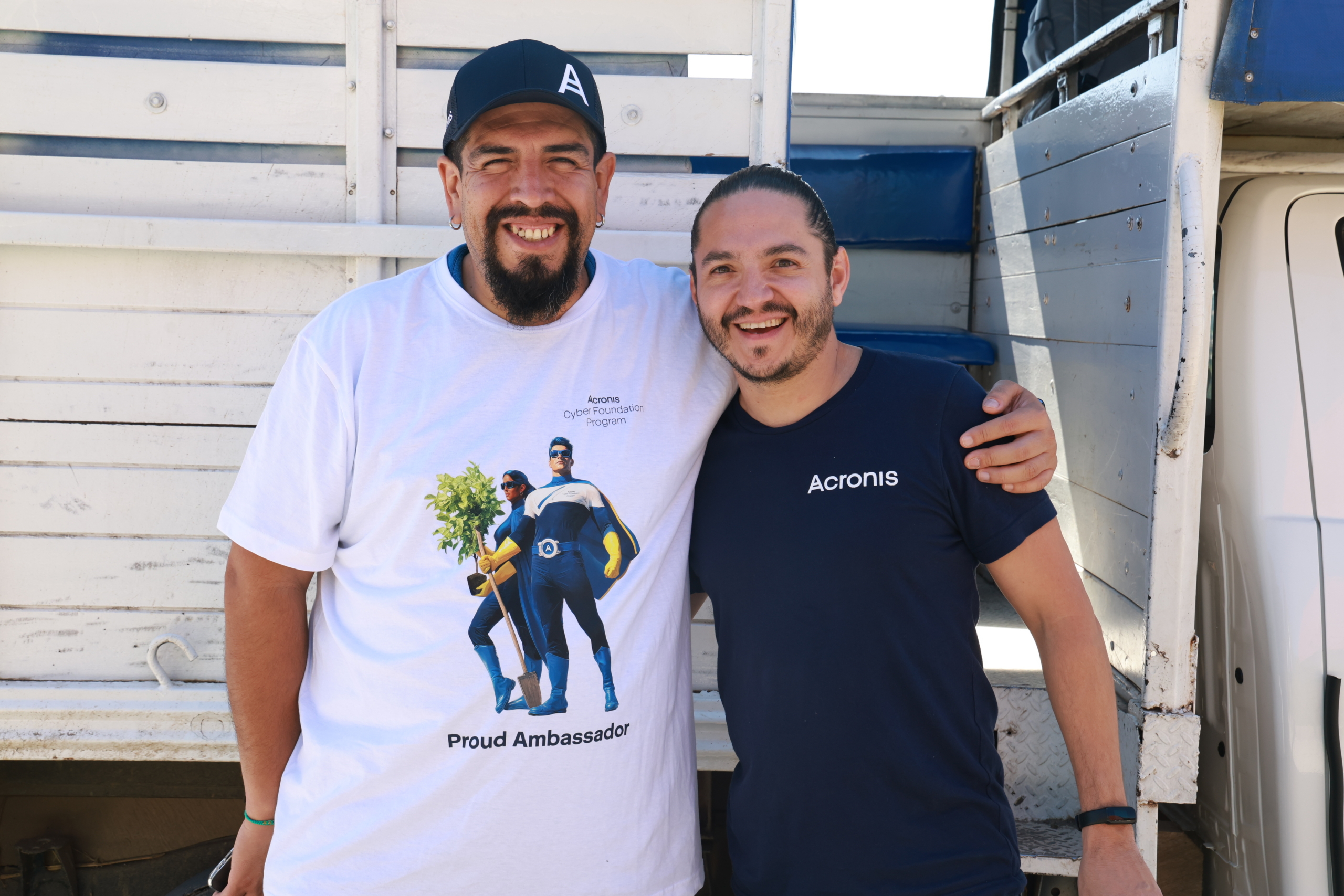
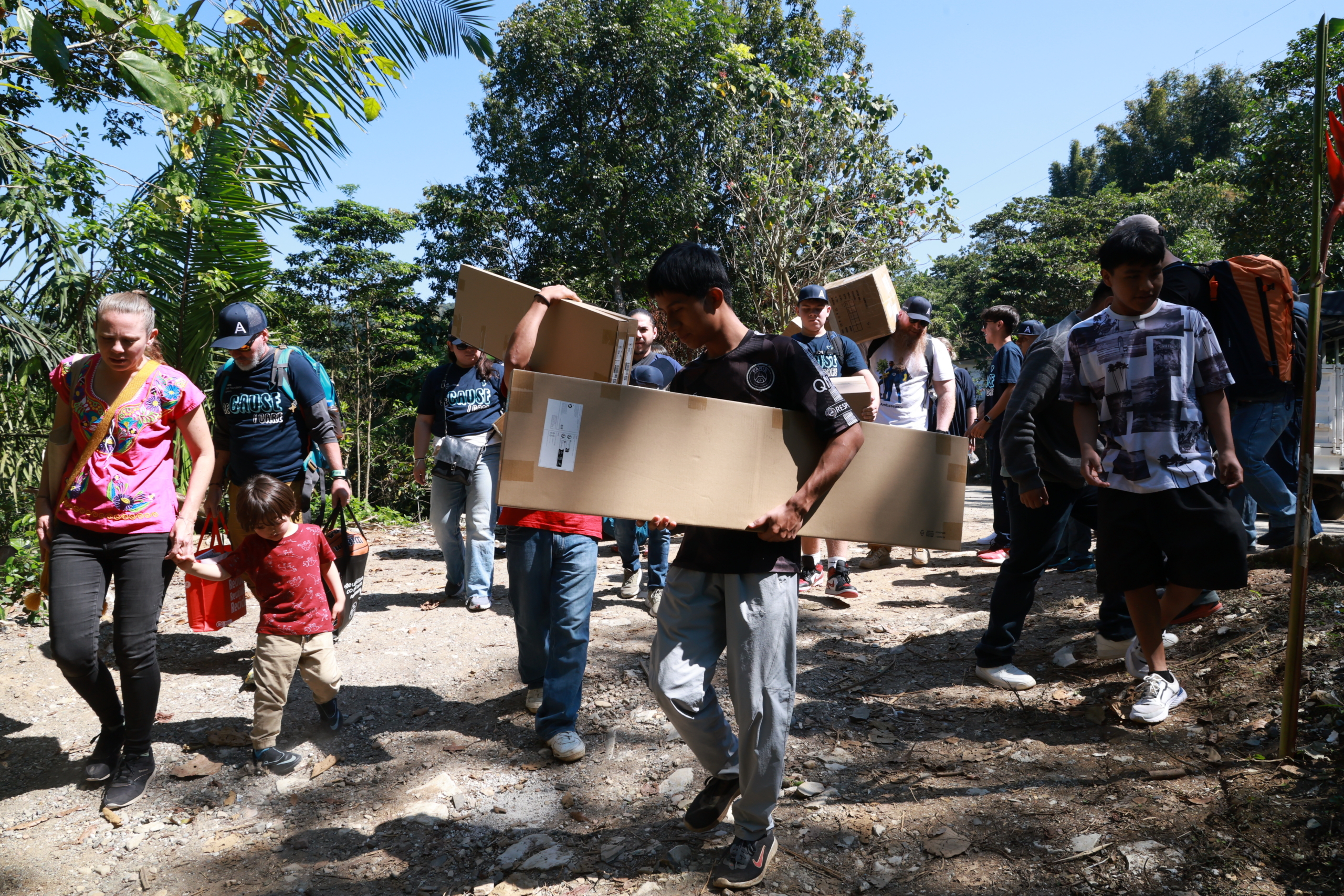
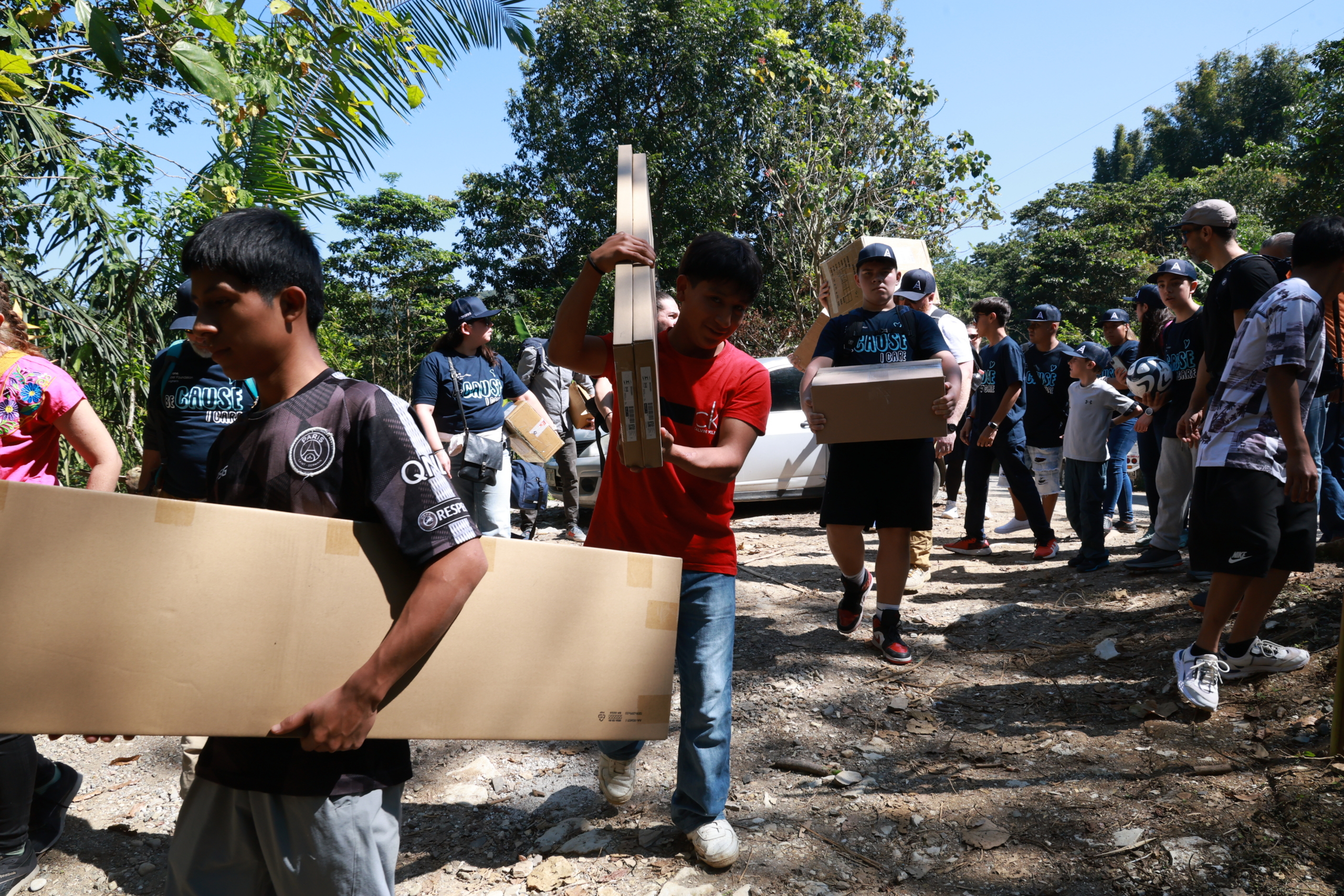
The community successfully built almost two classrooms for high school students. Acronis, together with its partner VirtualTech, joined the effort to complete the two classrooms and construct a third. Later, Acronis and VirtualTech joined forces again to equip a dedicated computer classroom, providing new laptops, furniture, and other equipment for the computer room. PSICORP Group, along with several Acronis employees, donated refurbished laptops to increase the number of workstations. On February 17, 2026, the partners, together with two leaders from ITCloud, Annie Auger and Danick Paquette, attended the computer room opening event and contributed a generous donation of sports equipment, stationery, books, and other supplies for the students. During the festive opening, the partners also conducted a gamified cyber safety session to ensure that the students’ digital journey starts smoothly.
Gallery





News from the project
About the country
Country
The United Mexican States
Capital city
Mexico City
Population
129 million people
Currency
Mexican peso (MXN)
Major languages
Spanish
Travel information
Mexico has a diverse climate due to its size and topography, ranging from tropical in the south to arid and semi-arid in the north. The coastal areas are influenced by the sea, while the interior regions experience more extreme temperatures and seasonal variations.
Annual average temperature
25°C (77°F) at coastal regions, 18°C (64°F) central and northern regions
Dry season
November/December to April/May
Wet season
May/June to October/November
Travel tips
Hotel recommendations
Puebla: Hotel Cartesiano, Hotel Real Santander
Places to eat
Puebla: El Mural de los Poblanos, Mercado el Carmen, Cemitas Las Poblanitas
Best souvenirs from the country
Mexican chocolate, tequila or Mezcal, traditional Mexican pottery, Talavera tiles or ceramics, vanilla extract, Mexican hot sauce or salsa, silver jewelry or crafts, Alebrijes (colorful hand-carved wooden creatures), Otomi embroidery, traditional Mexican blankets or sarapes, hand-painted tiles or murals, Guayabera shirts, Lucha libre masks.
Travel agencies
Viajes Mexitours, Travelvia, Operadora Turistica de Puebla
Interpreting services
Proposed one week tour
Day 1: School visit
Day 2: Puebla tour, Cortes Palace, Xochimilco
Day 3: Zocalo, Castillo de Chapultepec, transfer to Chiapas
Day 4: Cañón del Sumidero, transfer to Chis
Day 5: Templo del Sol, transfer to Cancun
Day 6: Xel-Há Park
Day 7: Playa Delfines
Partners